

 Start Read
 Recommend
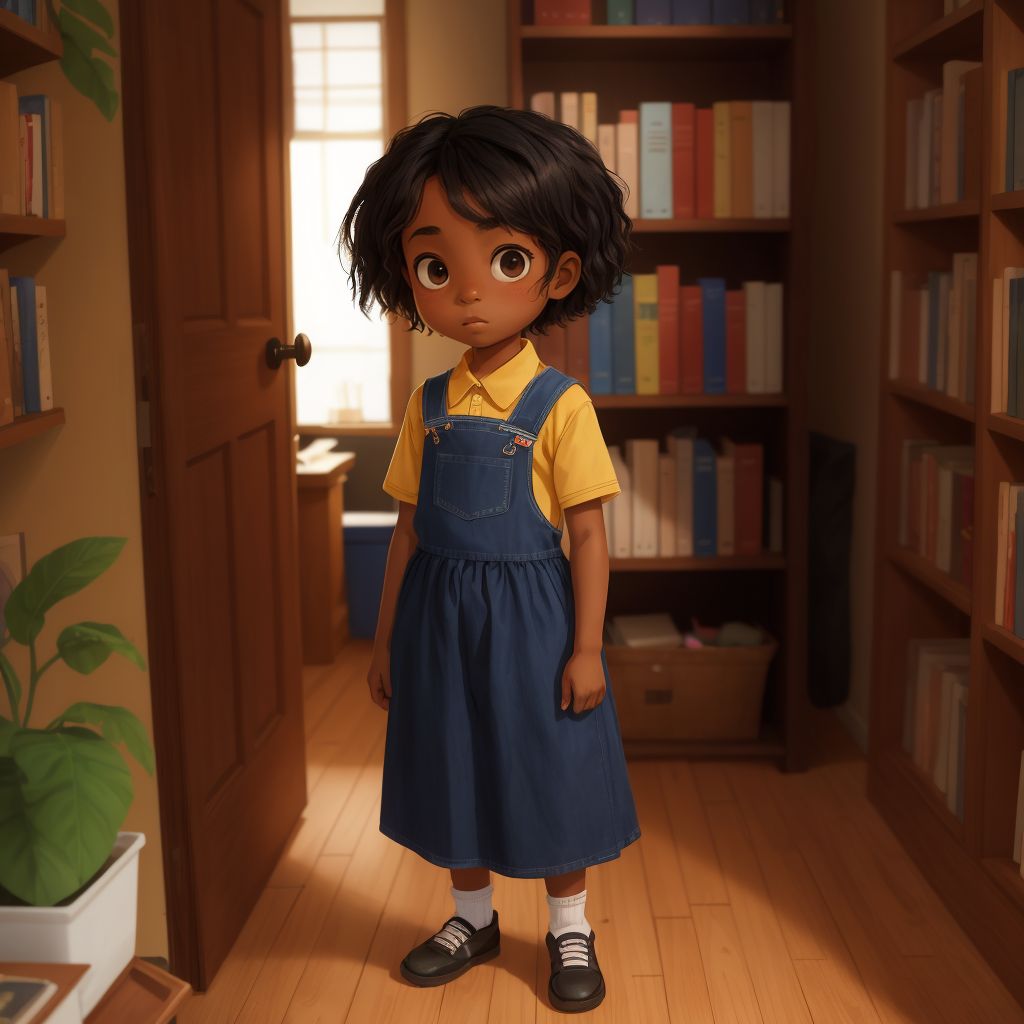
A woman named Mary McLeod Bethune. She had a heart full of kindness and a mind full of dreams. Mary believed that every person, no matter their background, deserved a chance to succeed. During the Great Depression, times were tough. Many families struggled to make ends meet, and women faced even greater challenges. Mary knew she had to do something to help her fellow women. With determination, Mary set out on a mission to make a difference. She spoke up for the rights of women, especially those who were African American like herself. She believed that women should have equal opportunities for education, jobs, and fair treatment. During this time, the New Deal was created to help people in need. Mary saw this as a chance to advocate for women's rights. She shared her ideas on how to support women through the New Deal. With guidance, the New Deal began to include programs that provided jobs and resources for women.They opened up to education opportunities for young women.
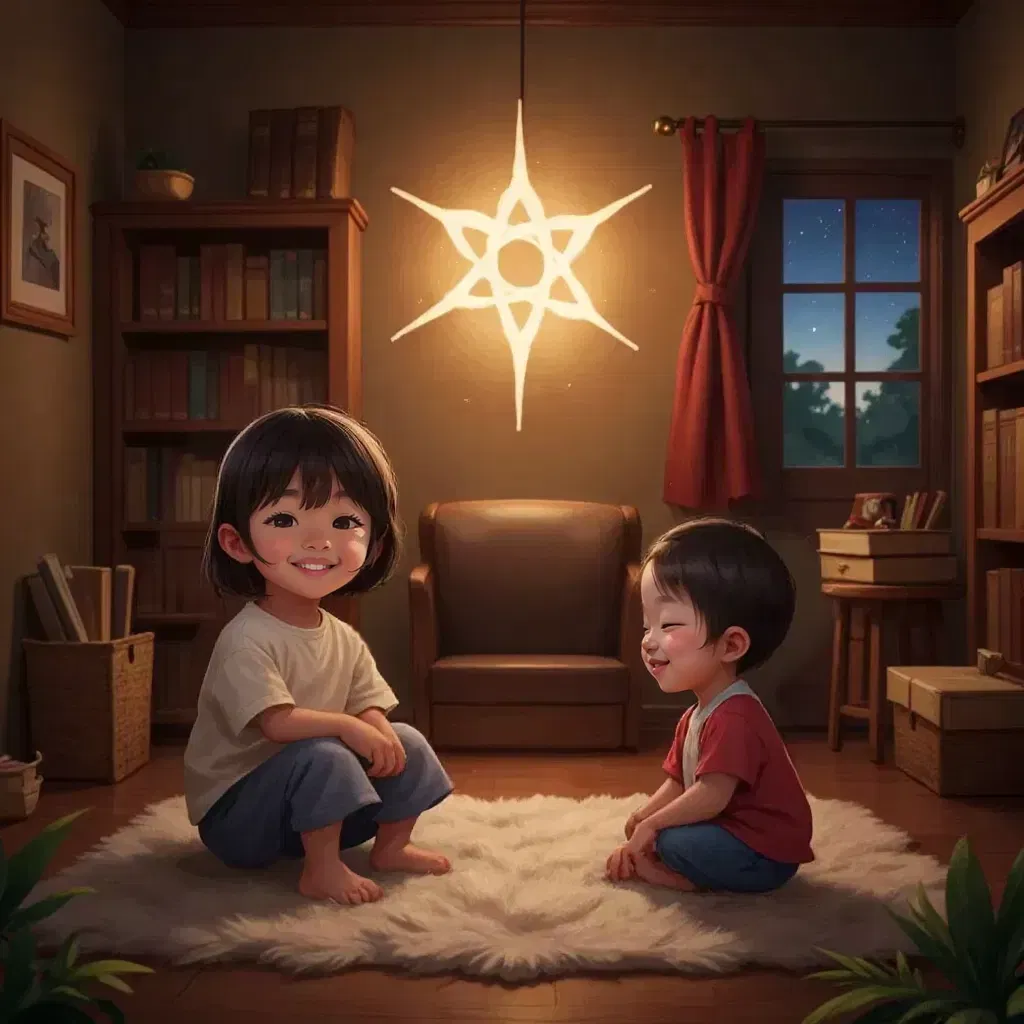
Ad adventure to discover the Holy Trinity. The Holy Trinity is like Light that can be described in terms of its source, its brightness, and its warmth. God the Father is the source of light, God the the Son is brightness that reveals God, and the Holy Spirit is the warmth that brings comfort and guidance. Each aspect is distinct yet part of the same light
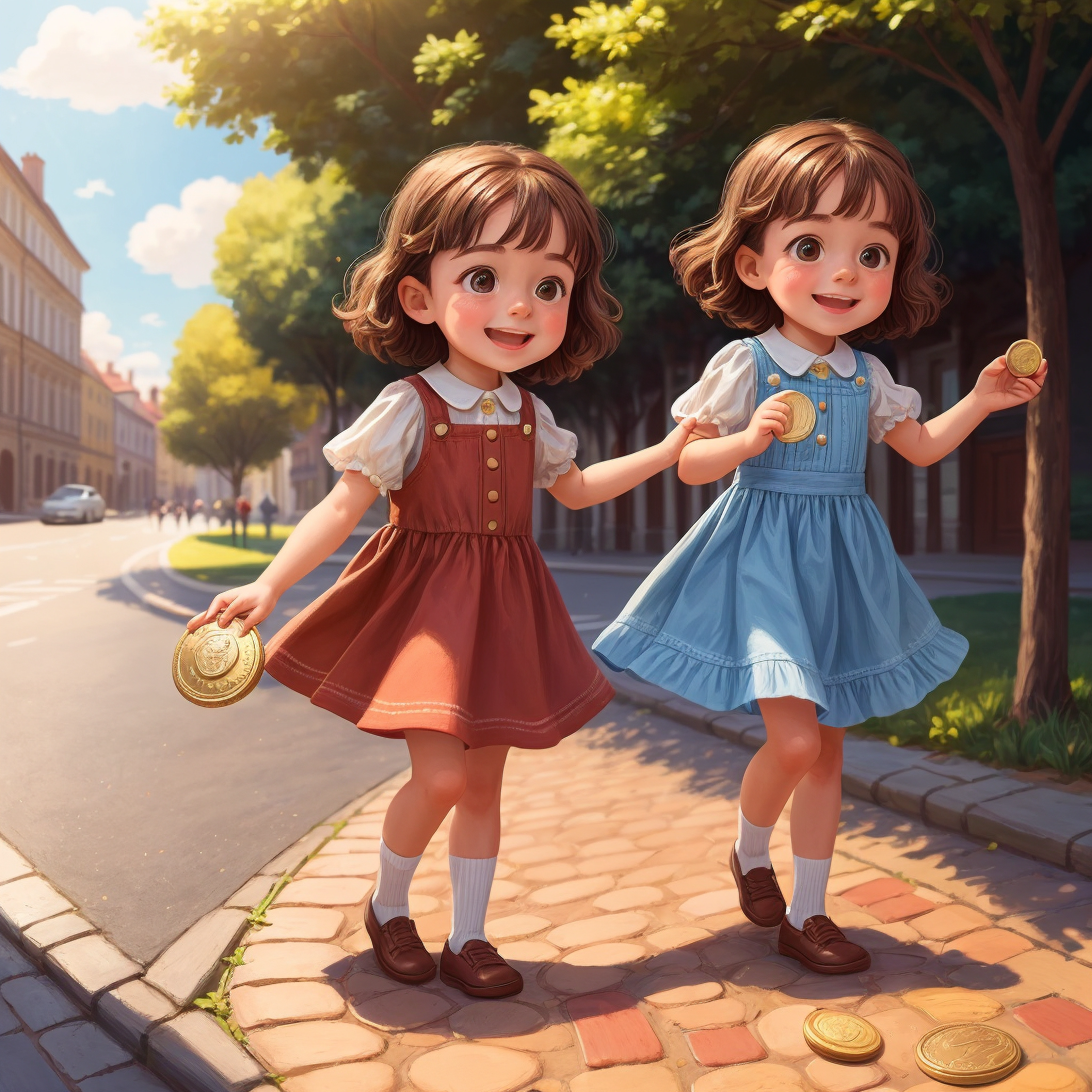
1.ollie finds a coin 2. ollie collects coins 3.ollie has a piggy bank
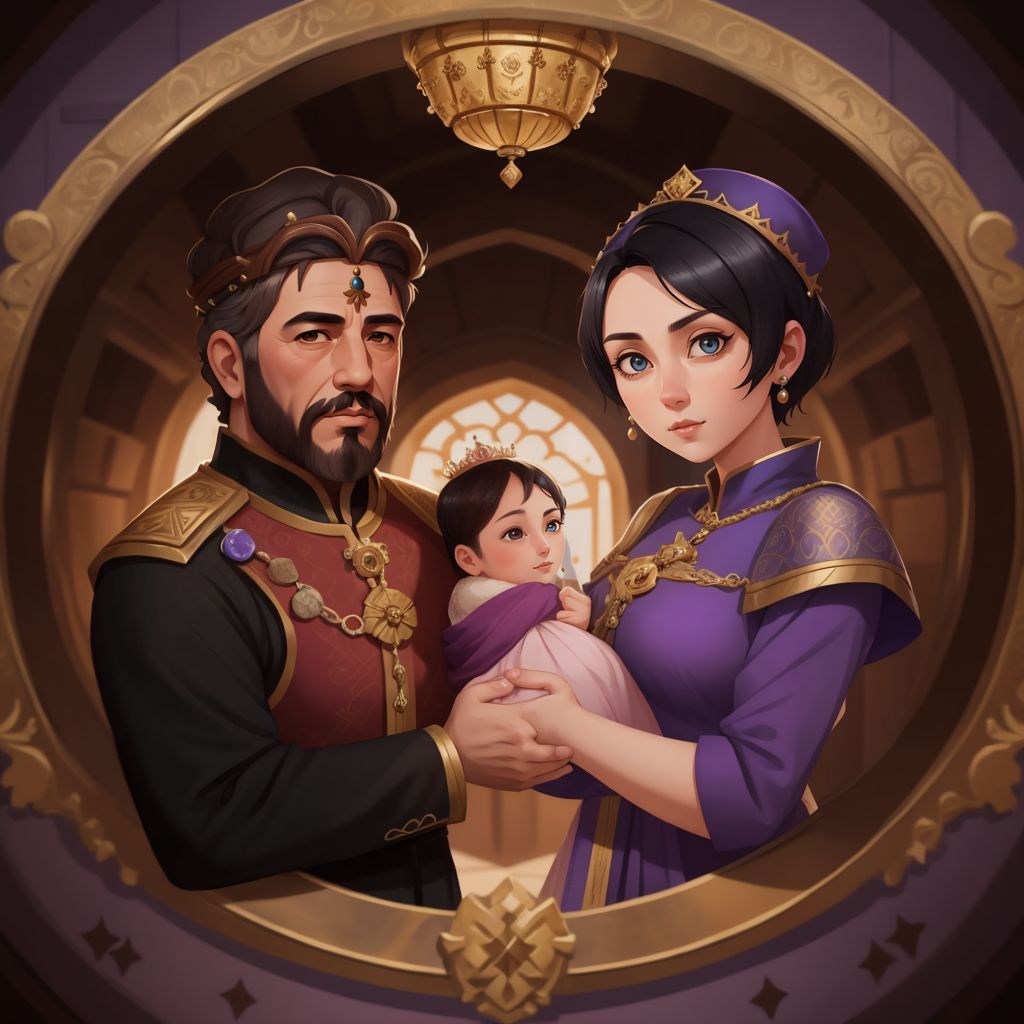
The life and times of princess Anna Komnene of Constantinople
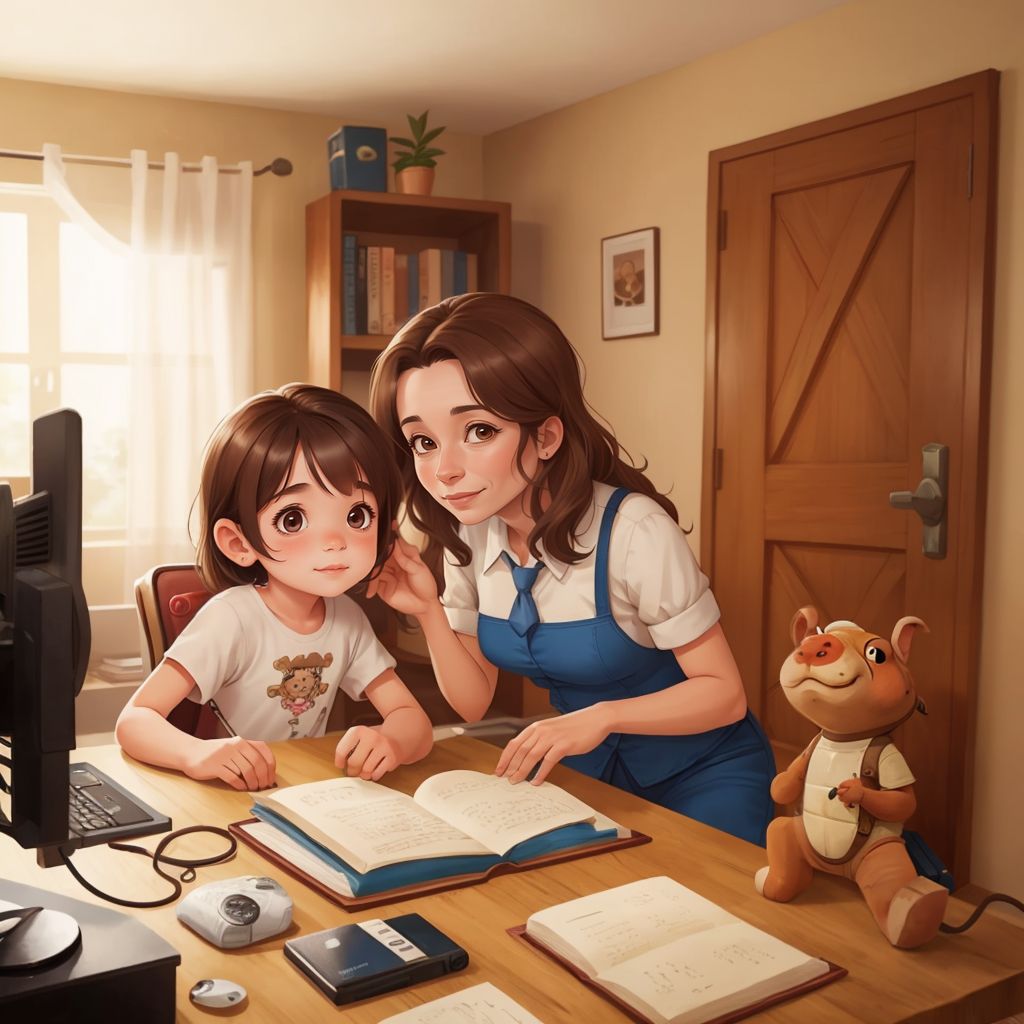
Randy is a huge human size roach that goes from door to door looking for crumbs o persuade people to let him come in . Cindy and her mom hear a knock at the door and it’s Randy the relentless roach asking if they have any crumbs . Cindy and her mom spend there days cleaning and taking care of the house and warning all the neighbors that Randy the roach is going door to door
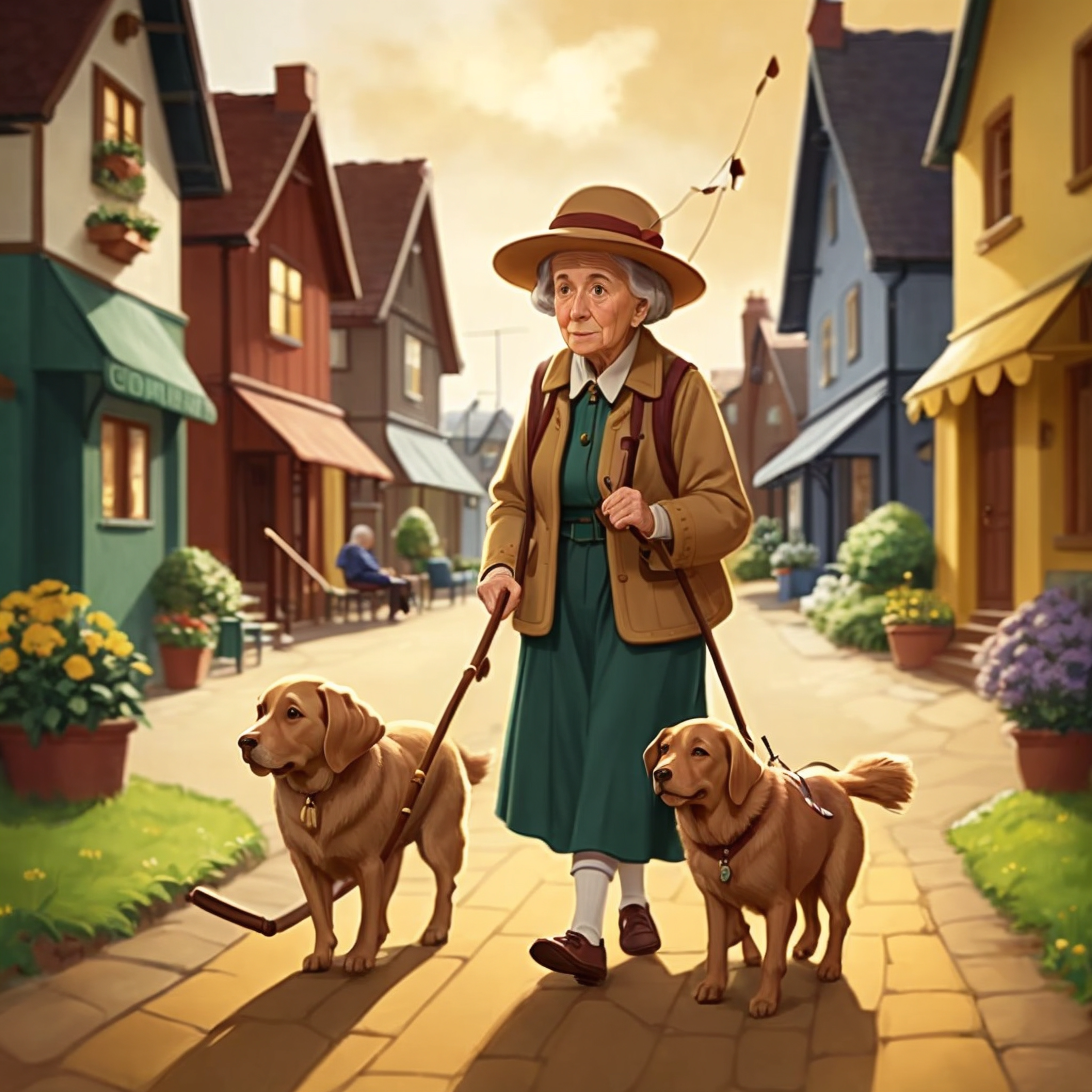
Guide Dog Pearl and her vision impaired friend Pam goes on a magical wonderland journey together and meet up with friends and family.
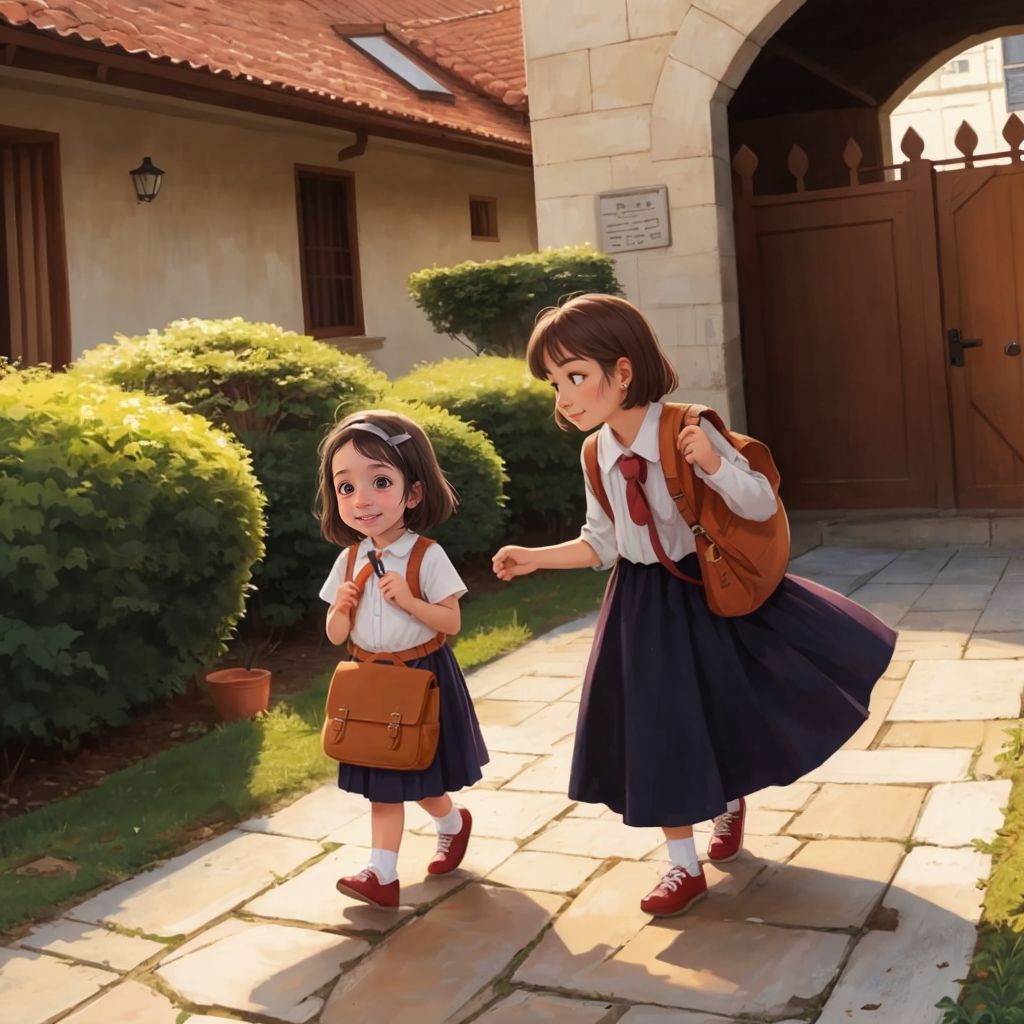
Nil okula başlıyor yaşı altı öğretmeni ve arkadaşları ile tanışacağı için çok mutlu ve heyecanlı
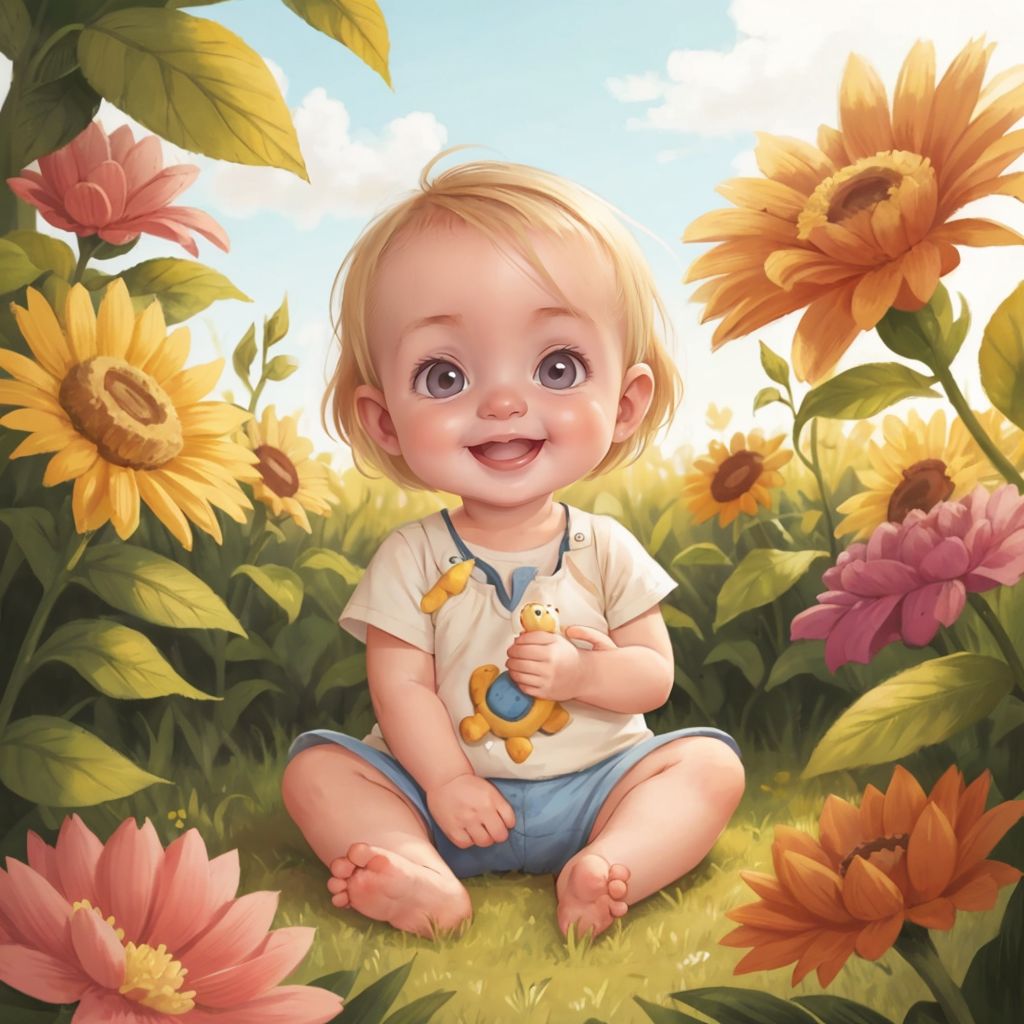
Ellie, a curious and kind-hearted little girl, meets Wiggles, a tiny caterpillar who has wandered too far from home and feels lost. Together, they embark on an adventure through the backyard, following clues and overcoming small challenges to help Wiggles find his way back. Along the way, Wiggles learns about bravery, confidence, and asking for help when needed. With Ellie’s gentle guidance, Wiggles finally reaches his home and discovers that getting lost isn't so scary when you have a friend by your side.
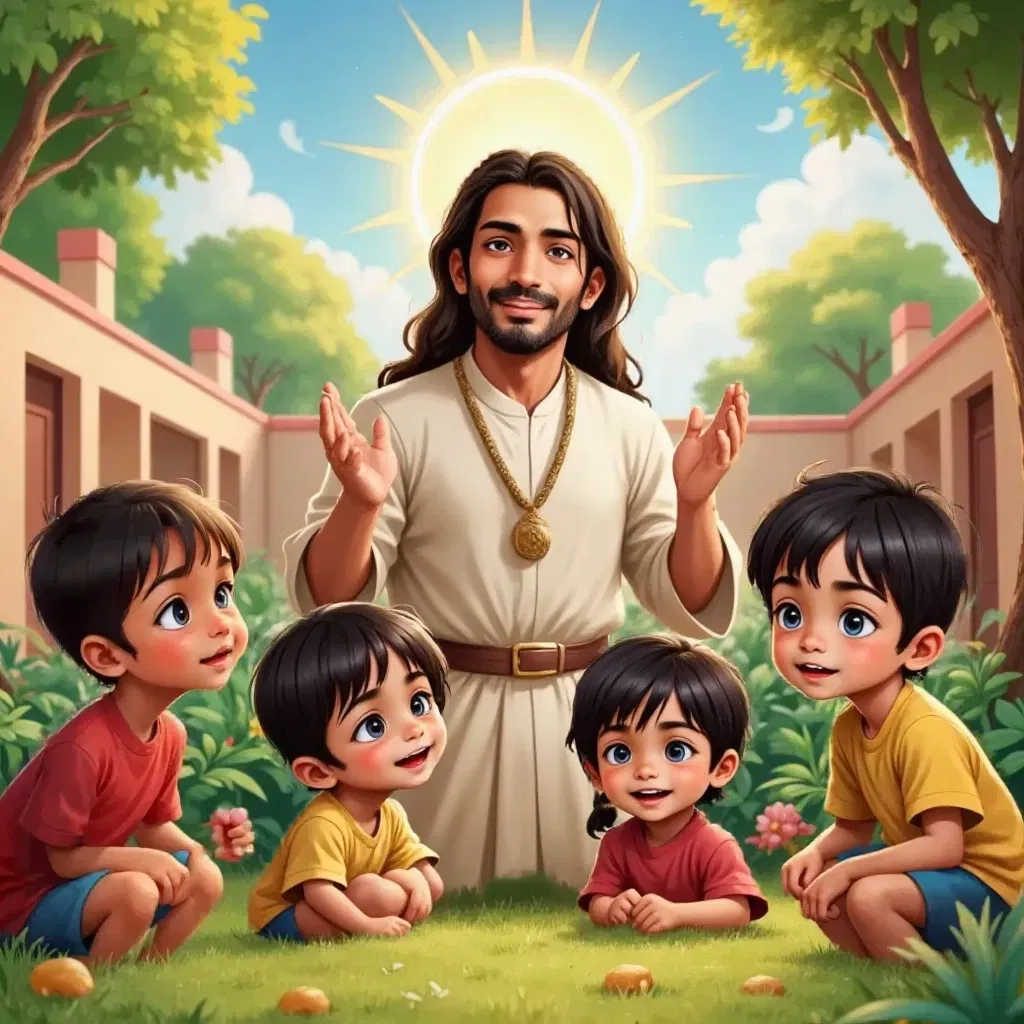
Ron (6 year old) loved his red toy truck more than anything. One day, his little brother accidentally stepped on it, breaking off a wheel. Ron was furious! He crossed his arms and decided he would never share his toys again. That night, his dad told him a story about Jesus forgiving even when others hurt Him. Ron thought hard about it. The next morning, he saw his brother trying to fix the truck with tape, looking sad. Instead of staying mad, Ron hugged him and said, "I forgive you. Let’s fix it together!" His heart felt warm, and they spent the whole morning playing—this time, sharing more laughter than toys. this s my children boo story now help me make it.
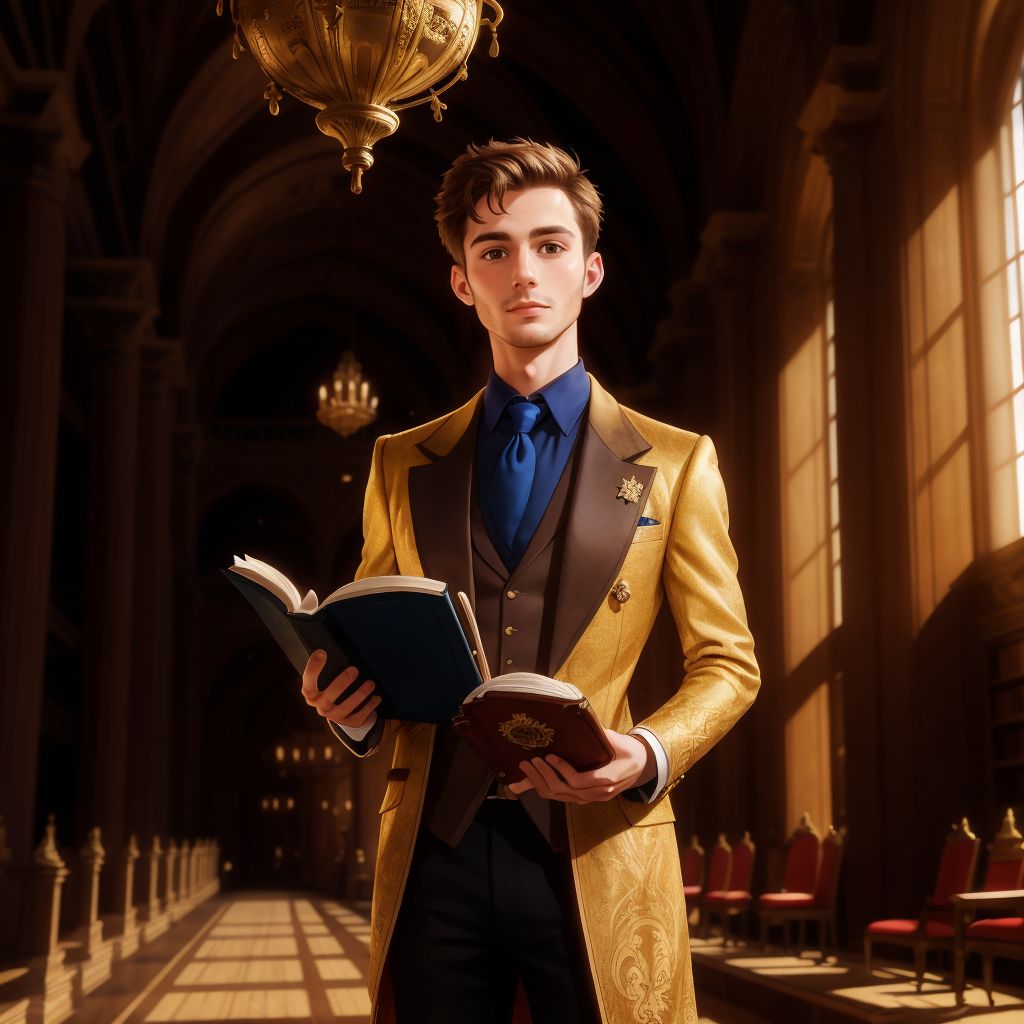
The book contains the secret knowledge of the magical sales techniques of business process optimisation training using neural networks
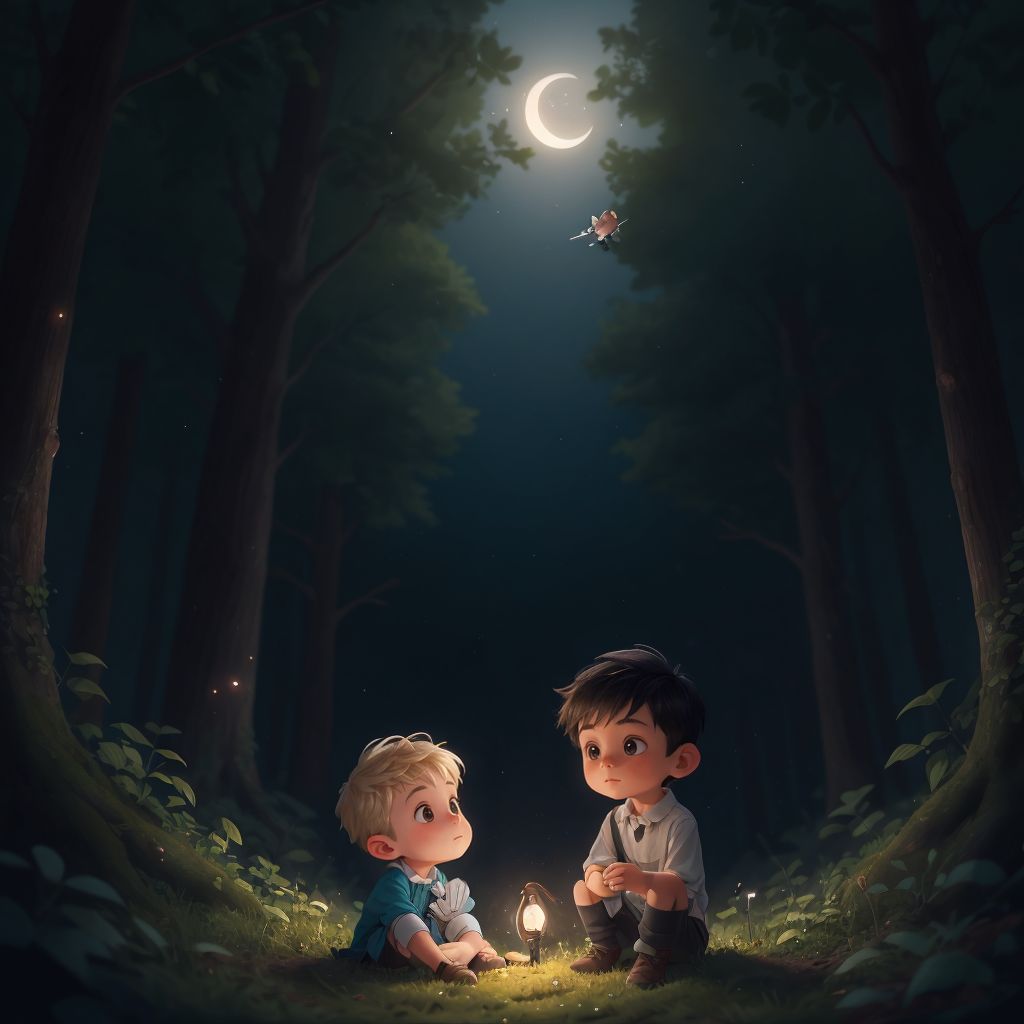
Once upon a moonlit night, Henry, a curious hedgehog, met Lily, a lost firefly. Together, they journeyed through the forest, encountering wise owls, playful rabbits, and a mischievous squirrel. Guided by Henry's keen senses and Lily's glowing light, they found Lily's family in a moonlit clearing. With tears of joy, Lily reunited with her kin. Henry smiled, knowing their friendship would shine forever bright. And as the night whispered its lullaby, Henry curled up in his cozy burrow, dreaming of new adventures and enduring friendships.
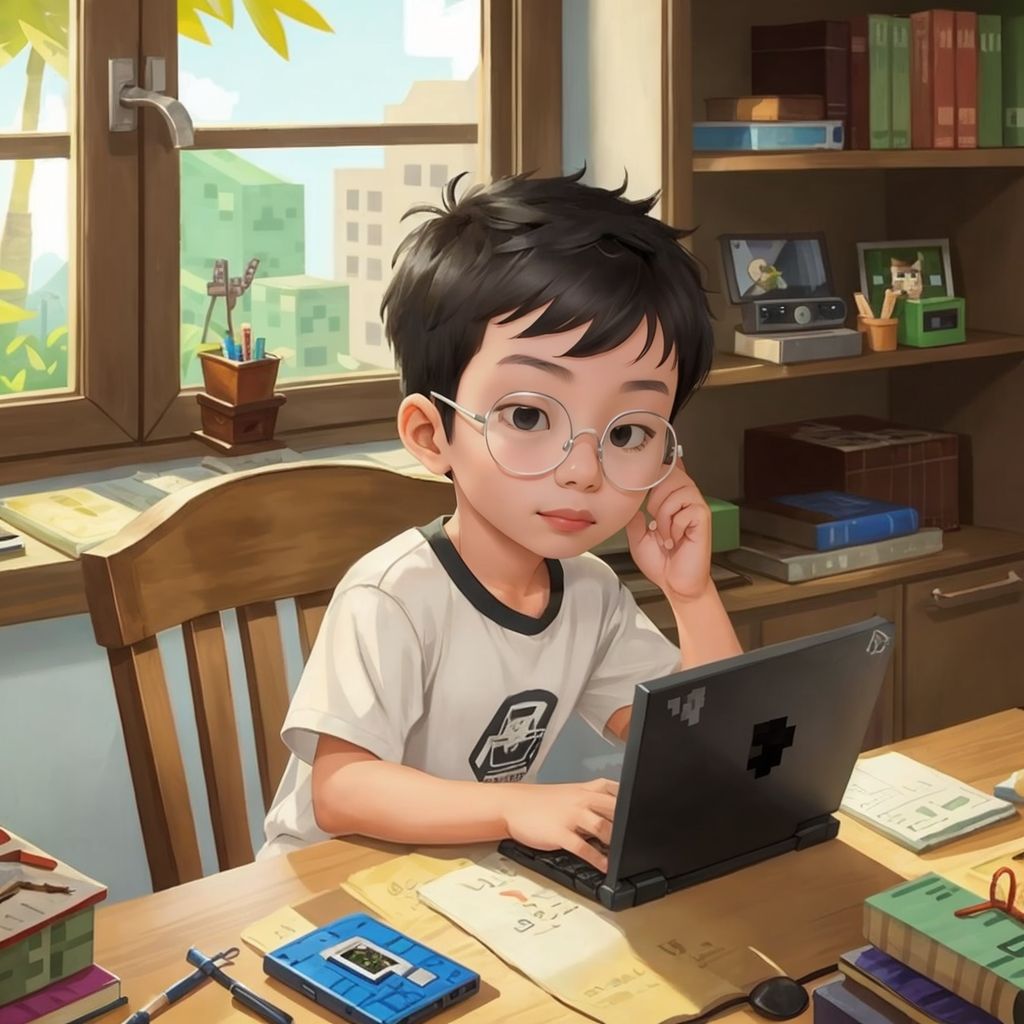
Marson loves adventure. He loves playing Minecraft and he is very good at it. He also lovers the winter and snow. He is great at playing basketball. He has a brother named moses who is 3 years old. Marson loves Pokemon
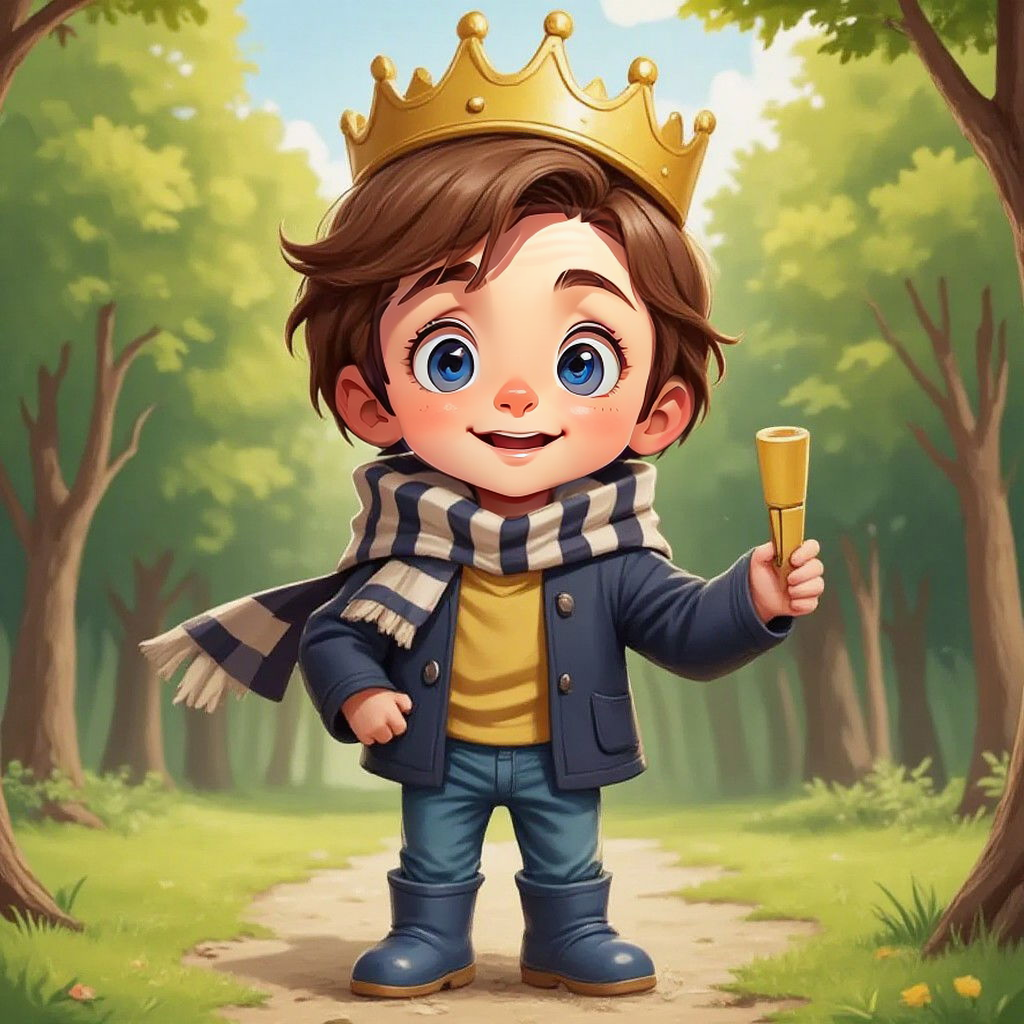
Grofik, the mascot of the Celje football club, dressed in the club's yellow and blue colors and wearing a crown symbolizing the connection to the Counts of Celje, is transported to the Middle Ages. There, he meets the legendary counts and learns how their greatness and unity inspire the team to victories. His image combines historical elements of a count's costume with modern details, emphasizing that he is not just a boy but a symbol of pride for the city and the club. This journey to the past helps him understand why the club and team are called "The Counts" and how the history of greatness, bravery, and unity of the ancient dynasty inspires the modern team to achieve new victories. Grafik returns to the present, carrying through the centuries the motto: "My City – My Club.
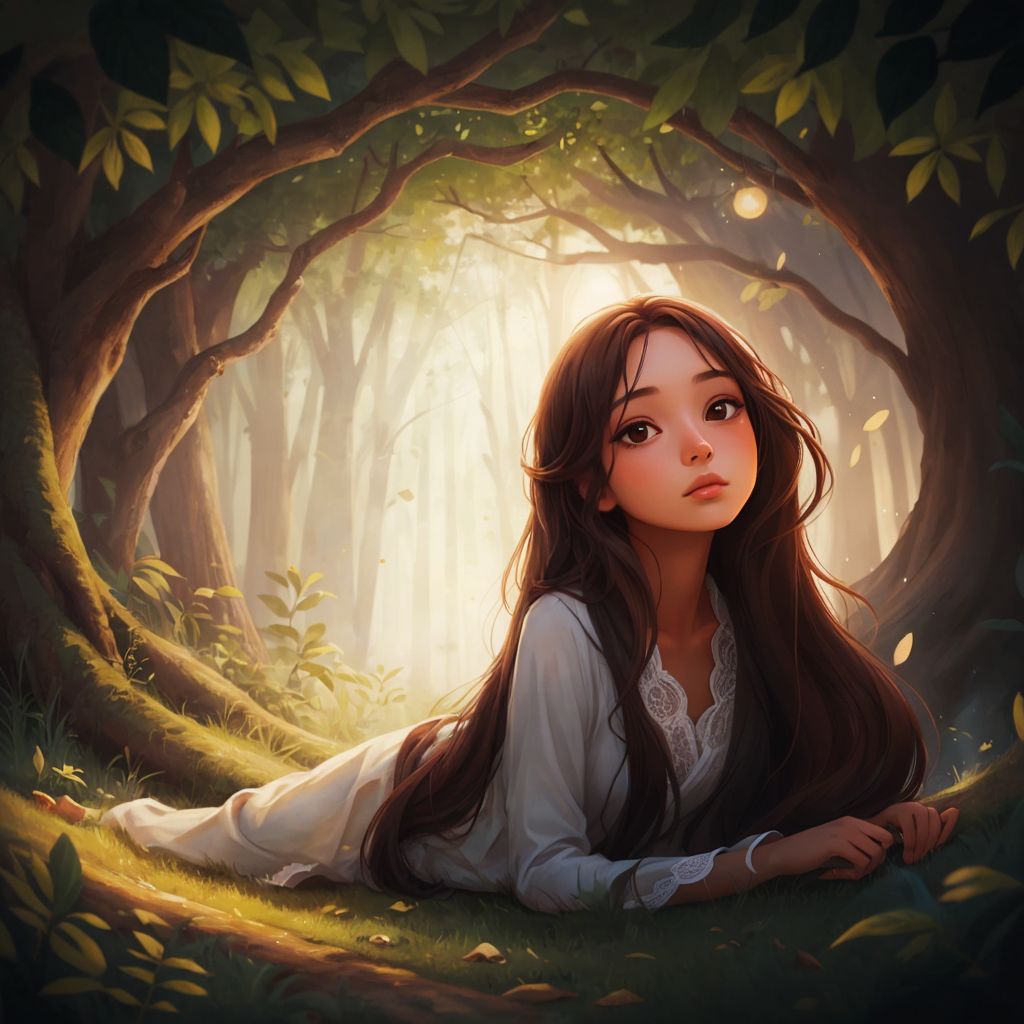
Every night, I dream of a girl. She looks like she's made of light, with long brown hair and eyes that seem to hold secrets. I’ve never met her, but I feel like I know her. In my dreams, she is always just out of reach. I try to touch her, but every time I get close, she slips away, and her voice whispers softly, telling me about a magical place. It’s like she’s calling me to follow her somewhere, but I don’t know where. Then, one night, something changes. She reaches out and touches my cheek. “I’ve been waiting for you,” she says. Her touch feels cold, but it makes the whole world around us glow. The sky turns purple and gold, and stars swirl like glowing dust. “This place is just the beginning,” she tells me. “The real adventure is beyond the dream. Come with me, if you want to know the truth.” I wake up, my heart racing. Was it just a dream, or was it something more? Now, every night, I try to find her again, unsure if I’m dreaming or if the dream has come to life.
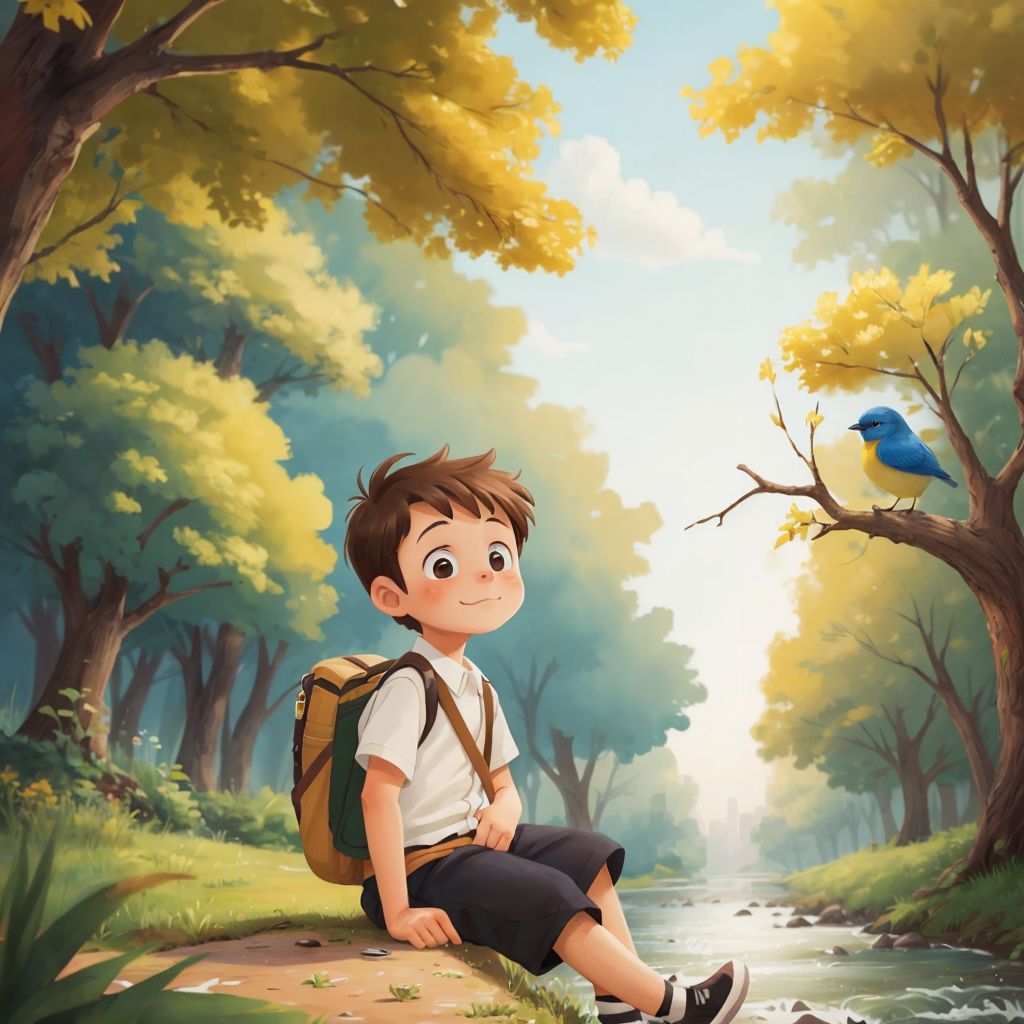
Pada suatu hari di Kampung Al-Furqan, tinggallah seorang budak lelaki bernama MaLi. Dia seorang yang sangat suka belajar tentang Al-Quran. Pada suatu pagi, ketika MaLi sedang belajar di tepi sungai, tiba-tiba seekor burung cantik hinggap di atas sebatang pokok berhampirannya. Burung itu berwarna biru dengan paruh emas yang berkilauan. Burung Qari terbang rendah lalu mendarat di hadapan MaLi. "Mad Asli adalah salah satu cara kita membaca huruf yang mempunyai tanda mad. Huruf-huruf yang boleh jadi mad ialah Alif, Wau, dan Ya. Huruf-huruf ini perlu dipanjangkan sebanyak dua harakat," jelas Burung Qari. MaLi mengangguk, tetapi masih keliru. "Boleh kamu beri contoh, Burung Qari?" "Tentu!" jawab Burung Qari sambil menyanyi dengan suara merdunya, "Dengar ya: '**Qoo-la**.' Dalam perkataan ini, ada Alif selepas huruf Qof, dan kita perlu panjangkan bacaan itu. Begitu juga dengan 'Fee,' di mana Ya menjadi mad." MaLi mula tersenyum. "Oh! Jadi, apabila ada Alif, Wau, atau Ya yang tak ada tanda baris, itulah Mad Asli? Kita kena panjangkan dua harakat?" "Betul sekali, MaLi!" jawab Burung Qari. "Ingatlah, mad ini mudah saja. Kalau ada Alif selepas huruf yang baris atas, Wau selepas huruf yang baris depan, atau Ya selepas huruf yang baris bawah, kita panjangkan dua harakat." MaLi berasa lega. Dia kini lebih yakin untuk membaca Al-Quran dengan betul. "Terima kasih, Burung Qari! Saya akan amalkan apa yang kamu ajarkan!" Burung Qari tersenyum sambil terbang ke udara. "Sama-sama, MaLi! Ingat, ilmu tajwid sangat penting untuk memperelokkan bacaanmu. Teruskan belajar dan jangan berputus asa!" Sejak hari itu, MaLi terus rajin membaca Al-Quran dan memahami tajwid dengan lebih baik. Setiap kali dia berdepan dengan Mad Asli, dia teringat kata-kata Burung Qari dan mengamalkan ilmunya dengan penuh yakin. TAMAT
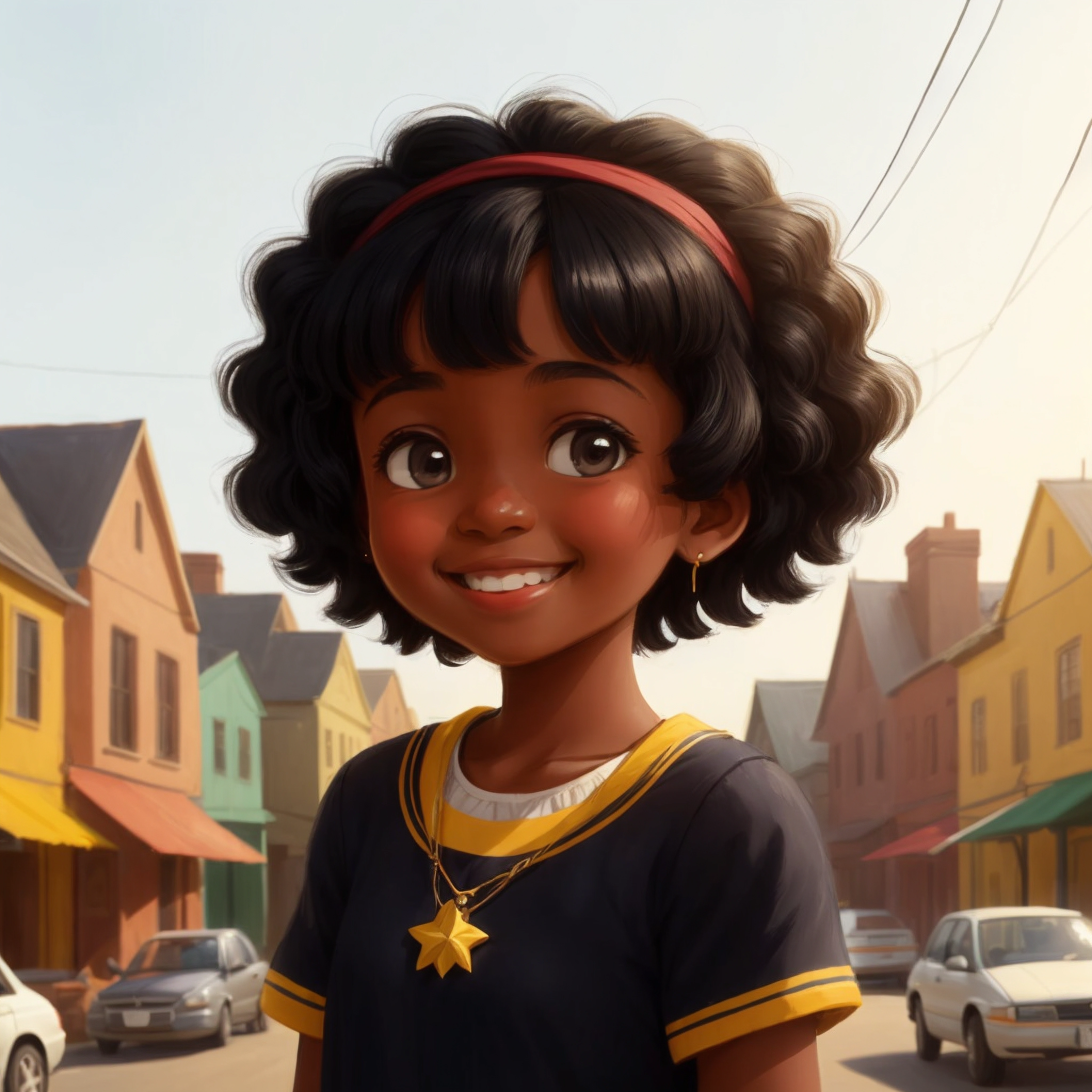
A sister that loses her brother to cancer
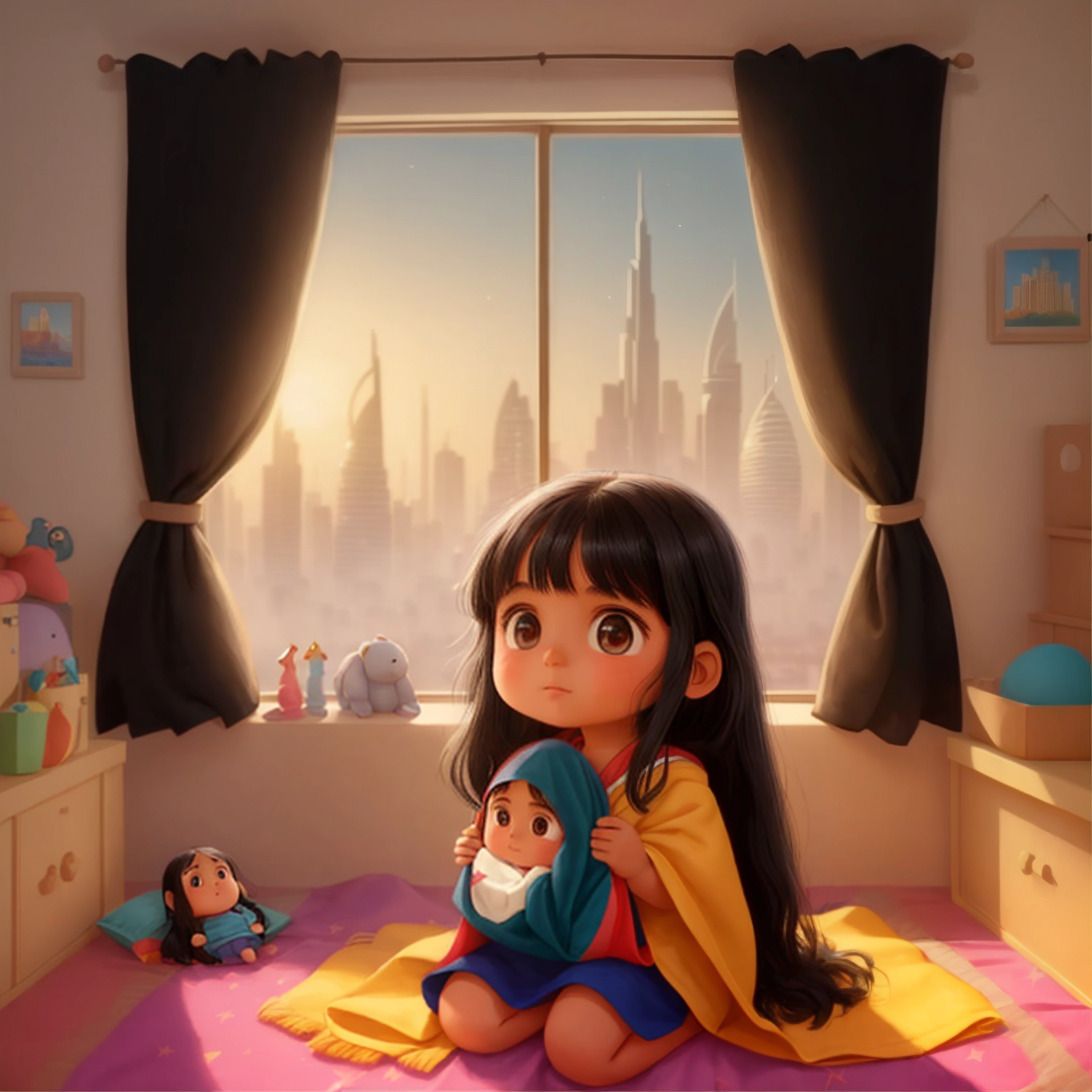
Once upon a time in the magical city of Dubai, there lived a sweet little girl named Ria. Ria had a special blanket that she loved dearly, and she named it "Kapdu." Kapdu was the softest and coziest blanket in the whole wide world. One sunny day, Ria's mom decided to wash and dry Kapdu outside. The gentle breeze and warm sun made Kapdu feel all fresh and fluffy. But oh no! Just as Ria's mom turned her back, a playful wind whisked Kapdu away to a new adventure. Kapdu danced through the air, floating above the bustling city until it landed on the balcony of a boy named Primo. Primo and his mom discovered Kapdu and noticed something extraordinary – Ria's name was knitted onto the blanket! Determined to reunite Kapdu with its owner, Primo and his mom set out on a quest. They wandered through the vibrant streets of Dubai, asking neighbors and friends if they knew Ria. The sun began to set, but their determination didn't waver.
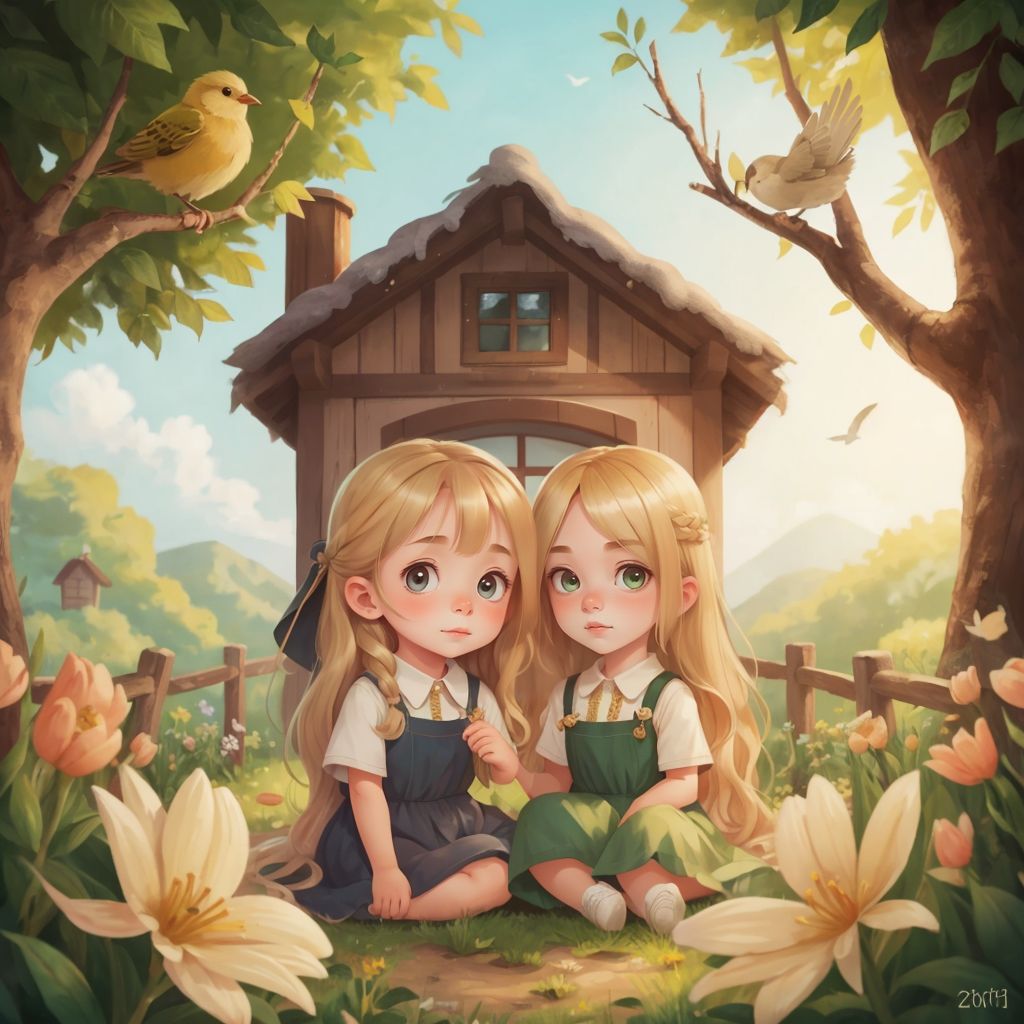
Once upon a time, in a magical land filled with lush green forests and sparkling rivers, lived two sisters, Maha and Mira. Maha, the younger one, was just five years old, full of energy and always ready for an adventure. Mira, on the other hand, was responsible and mature, taking care of her little sister and their home. One sunny morning, Maha woke up with a big smile on her face. She was excited because it was her birthday, and she couldn't wait to celebrate with her family. As she ran around the house, singing and dancing, Mira watched her with a mix of amusement and concern. She knew that Maha's wild energy could sometimes get her into trouble. As the day went on, Mira prepared a special birthday breakfast for Maha, complete with her favorite pancakes and fresh fruit. But as Mira was about to serve the food, Maha snatched the plate and ran outside, eager to eat in the garden. Mira, frustrated, followed her sister, trying to make her understand the importance of being careful. But Maha was too busy chasing butterflies and picking flowers to listen to her sister's words. As Mira tried to reason with her, Maha accidentally stepped on a patch of thorns, hurting her foot. Mira quickly came to her aid, carrying her back inside and tending to her wounds. Feeling guilty for not listening to her sister, Maha apologized and promised to be more careful. Mira, relieved that her sister was okay, forgave her and they continued with their birthday celebrations. As the day came to an end, Mira tucked Maha into bed and kissed her goodnight. As Maha drifted off to sleep, she thought about how her older sister always took care of her and protected her. She realized that she should listen to her sister and respect her wisdom. From that day on, Maha and Mira's bond grew stronger, and Maha learned to appreciate her sister's guidance and love. And as they grew older, they became the best of friends, always looking out for each other in their magical land
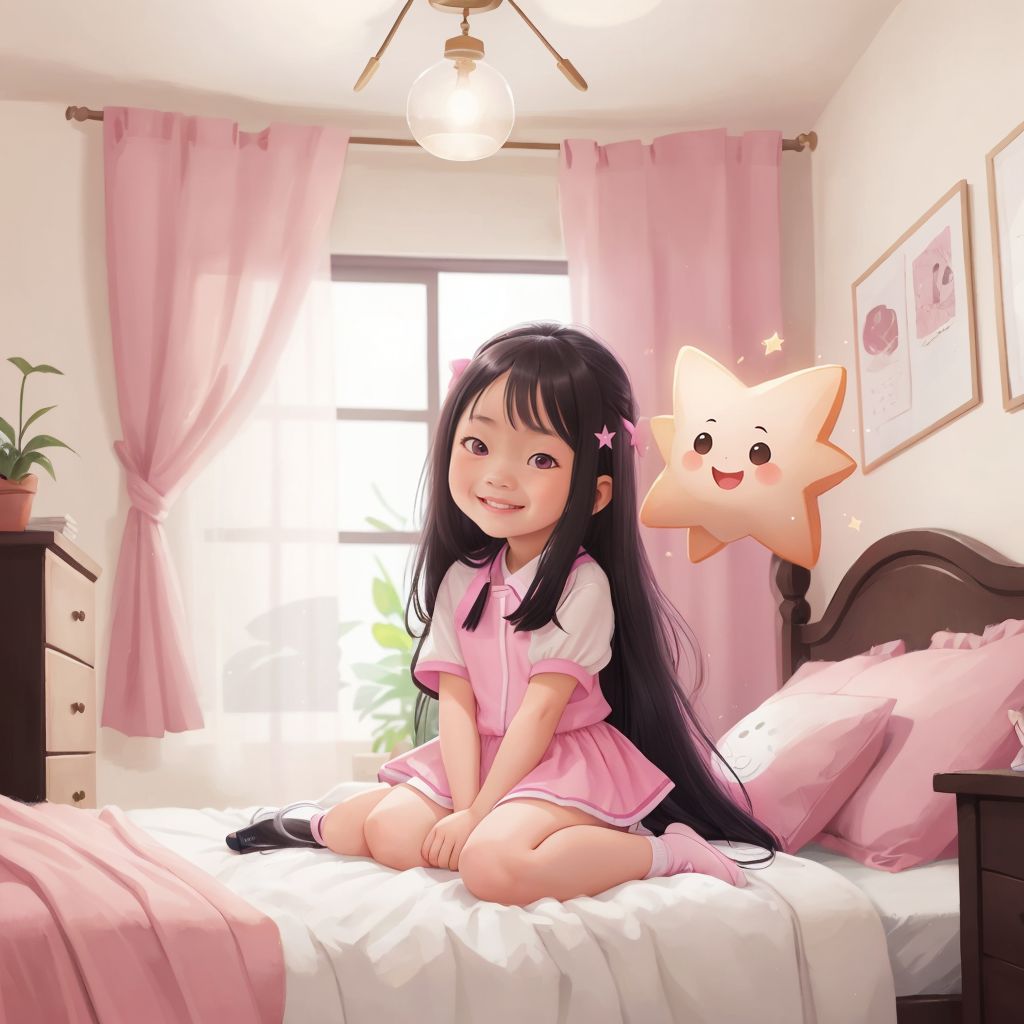
This adorable children's book follows Tiffany, a kind and curious girl, on a magical adventure. One night, she finds a glowing star in her room. The star whispers that it needs help to find its way home! With her big heart and a little bit of magic, Tiffany embarks on a journey through twinkling skies, fluffy clouds, and candy-colored rainbows. Along the way, she meets friendly creatures who guide her. This heartwarming story is written in simple English, perfect for young readers, and filled with whimsical illustrations.
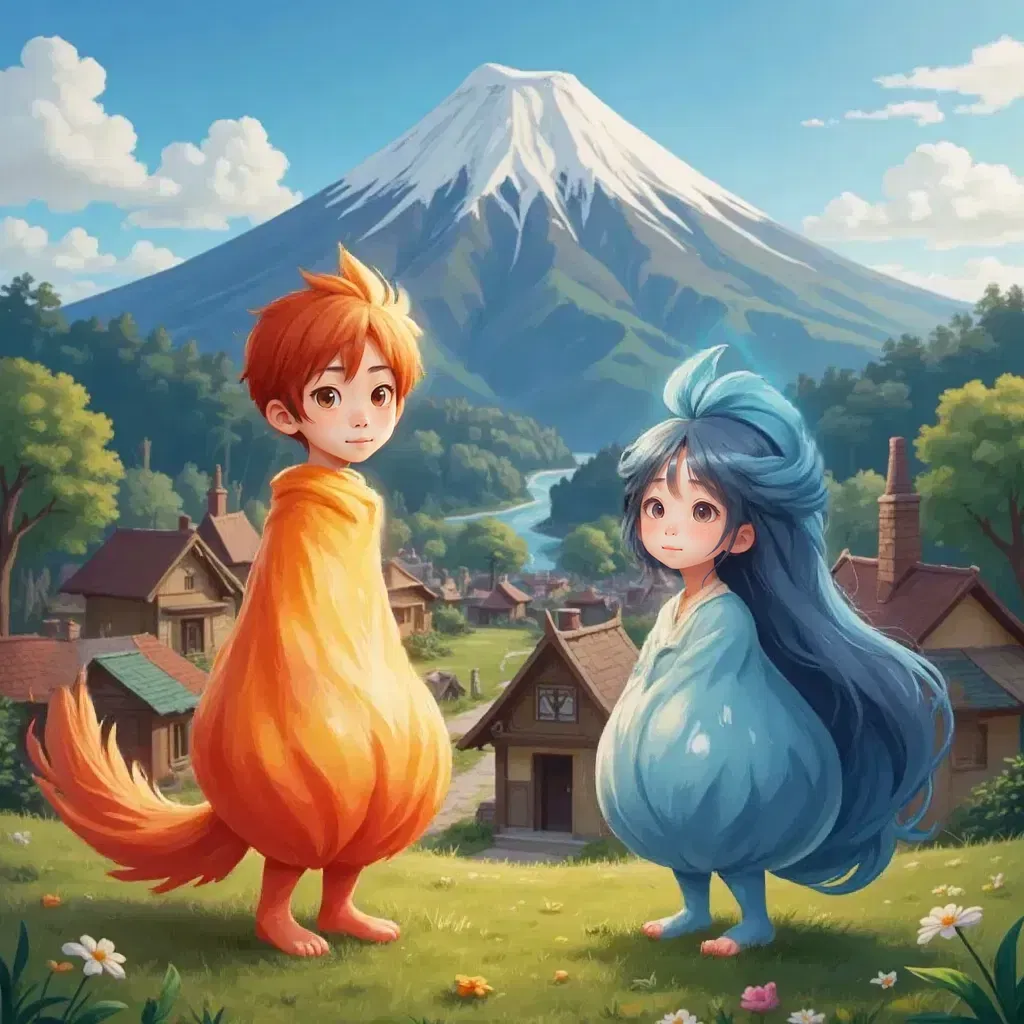
Once upon a time, in a village nestled at the foot of a great mountain named 山·, there lived two siblings: 火 (which means "fire") and 水 (which means "water"). 火 was full of energy and always rushing into things, while 水 was calm, patient, and thoughtful. One summer, the village faced a terrible drought. The rivers dried up, the crops turned brown, and the villagers didn’t know what to do. 火, with his fiery spirit, said, “I’ll climb 山 and find a way to fix this!” 水, always the voice of reason, said, “I’ll come with you. We’ll solve this together.” As they climbed the mountain, the air grew warmer, and the ground rumbled softly. At the top, they found a glowing crater filled with fiery embers. 火 picked up a burning rock and said, “Look! The mountain’s fire! Maybe we can use it to help the village!” But 水 shook her head. “Fire alone won’t solve everything. We need water too.” Suddenly, the ground shook, and the mountain began to rumble. 火 dropped the rock, and 水 closed her eyes, whispering, “Please, 山, help us.” To their surprise, the mountain listened. A cool spring bubbled up from the ground, calming the rumbling and sending fresh water down the mountain. The water flowed into the village, filling the rivers and bringing life back to the plants. The villagers cheered, and 火 realized that his fiery energy worked best when balanced with 水’s calm wisdom. Together, they had helped the mountain and saved the village.