
 Start Read
Recommend
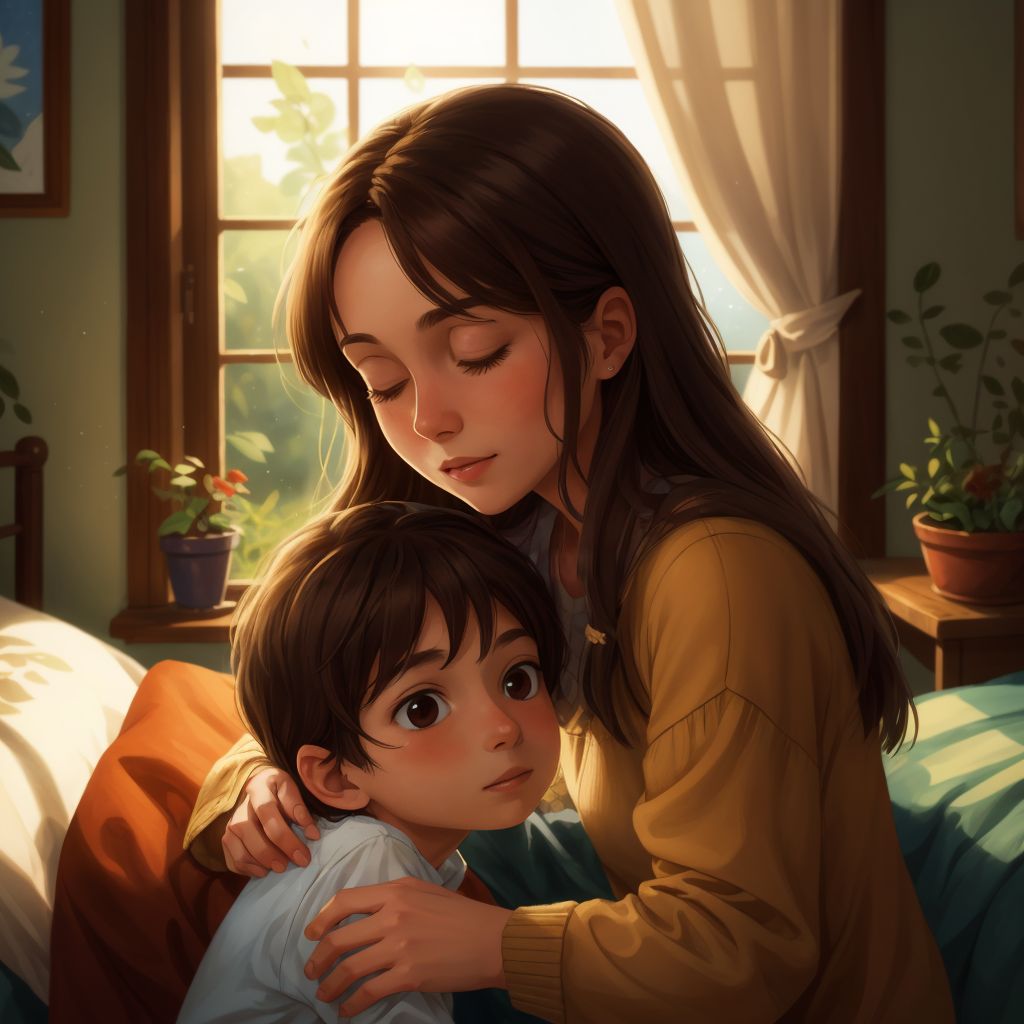
1. Mom is trying to put boy to bed. 2. The puppies in the garden are asleep and tiny wood mice find their beds. 3. Birds nesting outside the boys window. 4. It's night time and the moon is throwing down kisses. 5. A man is sprinkling dust on sleeping boy. 6. Yellow rose tree with crickets below it. 7. Mother tucking son into bed 8. Mother rocking and singing her son to sleep.

Once upon a time, in a sunny park, stood a big, friendly tree named Mr. Tree. The bright sun would shine down onto his green leaves. People walking by would give him water when the ground was dry to get him to grow. But Mr. Tree was doing more than just growing. He was creating and recycling! First, the sunlight powered him up, like a battery. Then, his roots slurped up water from the ground. Sluuuurp! Finally, Mr. Tree pulled in the “bad air,” and mixed it in his leaves. By doing this he made yummy sugar to eat! That’s how Mr. Tree grew taller and taller and taller. But Mr. Tree wasn’t just making food for himself—he was also giving back to the world. As he grew, he would recycle the air, sending out clean air for everyone to breathe. “Here you go!” People, animals, and plants all needed Mr. Tree’s hard work to stay happy and healthy. But one day, Mr. Tree noticed something was wrong. People were burning things like gas to power their cars, factories, and machines, and it was leaking tons and tons of bad air! “Uh-oh, this is a big problem!” Too much bad air traps the Earth, similar to a heated blanket. This makes the planet hotter, called climate change, which is not good for anyone—people, animals, or plants like Mr. Tree. From then on, whenever people walked by, they’d smile and say, “Thank you, Mr. Tree!” And Mr. Tree would smile back, knowing everyone was learning how important trees are. So remember, kids: take care of trees, because they help us breathe and keep the Earth happy and healthy!
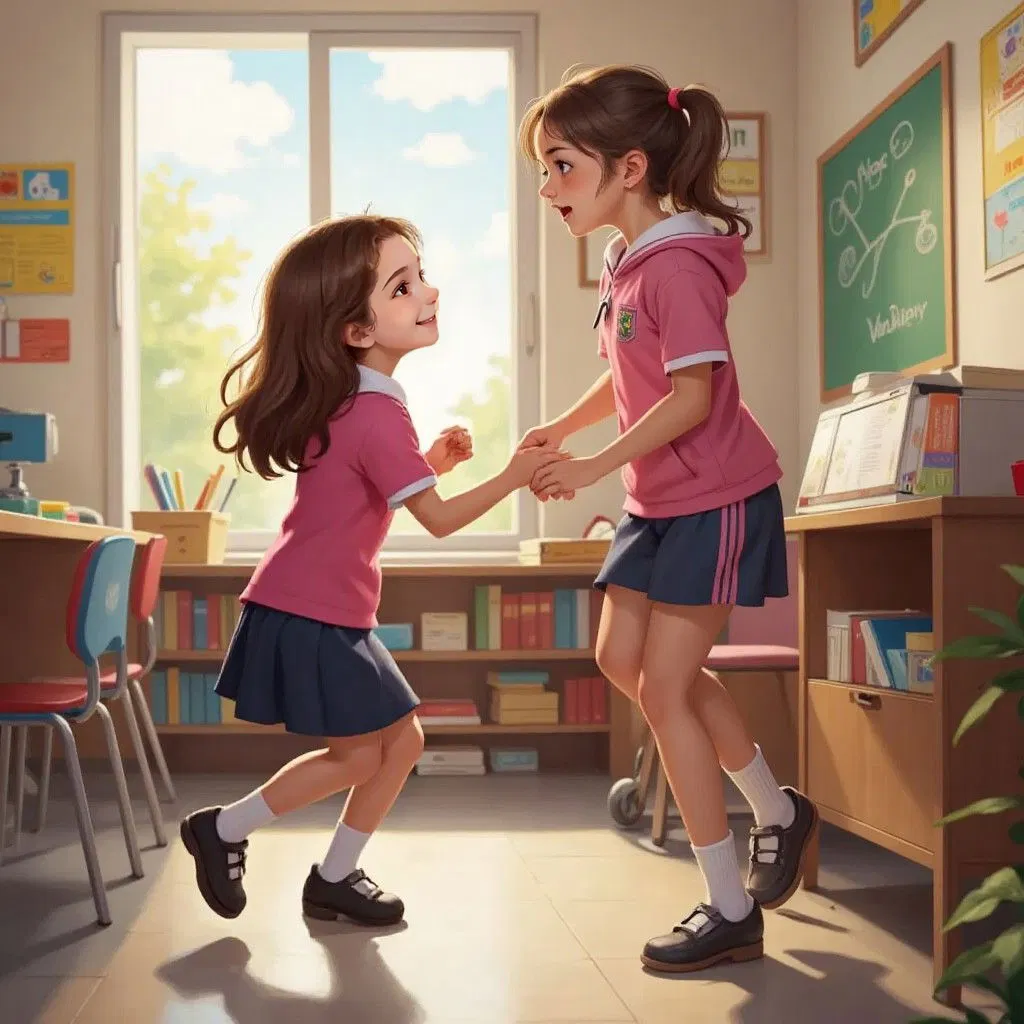
Best friend alya

Gal and Alex want to start fighting in the ufc that's their dream. They were told they can never do it. They decided to try anyways. They got knocked down alot at first but kept getting up. Eventually they both achieved their dreams and were accepted into the ufc. Never give up.
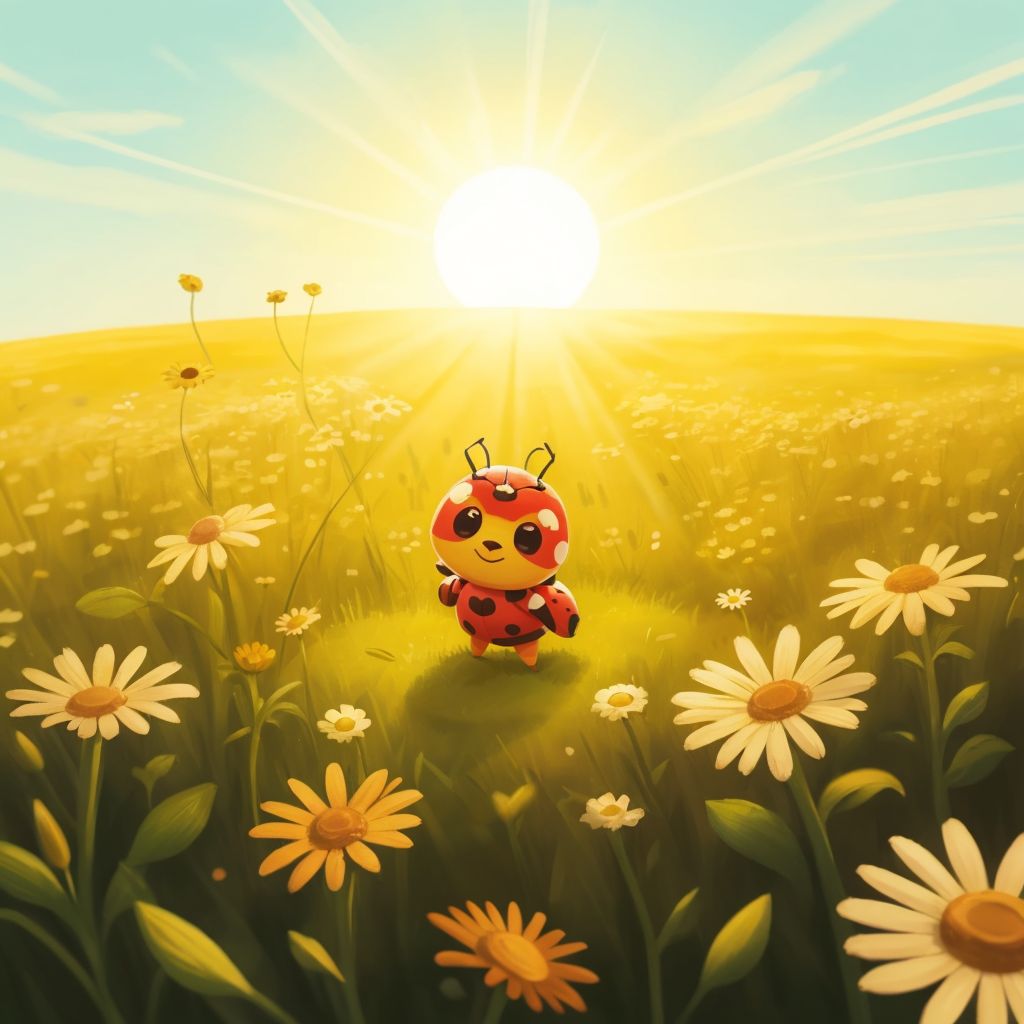
In the heart of a sun-kissed meadow, a tiny ladybug named Lily danced among the daisies. One day, a gentle breeze swept her away, carrying her on a whimsical journey through the sky. With each flutter of her delicate wings, she marveled at the world below. Finally, as the sun dipped below the horizon, Lily landed softly on a dew-kissed leaf, her heart brimming with the magic of adventure.
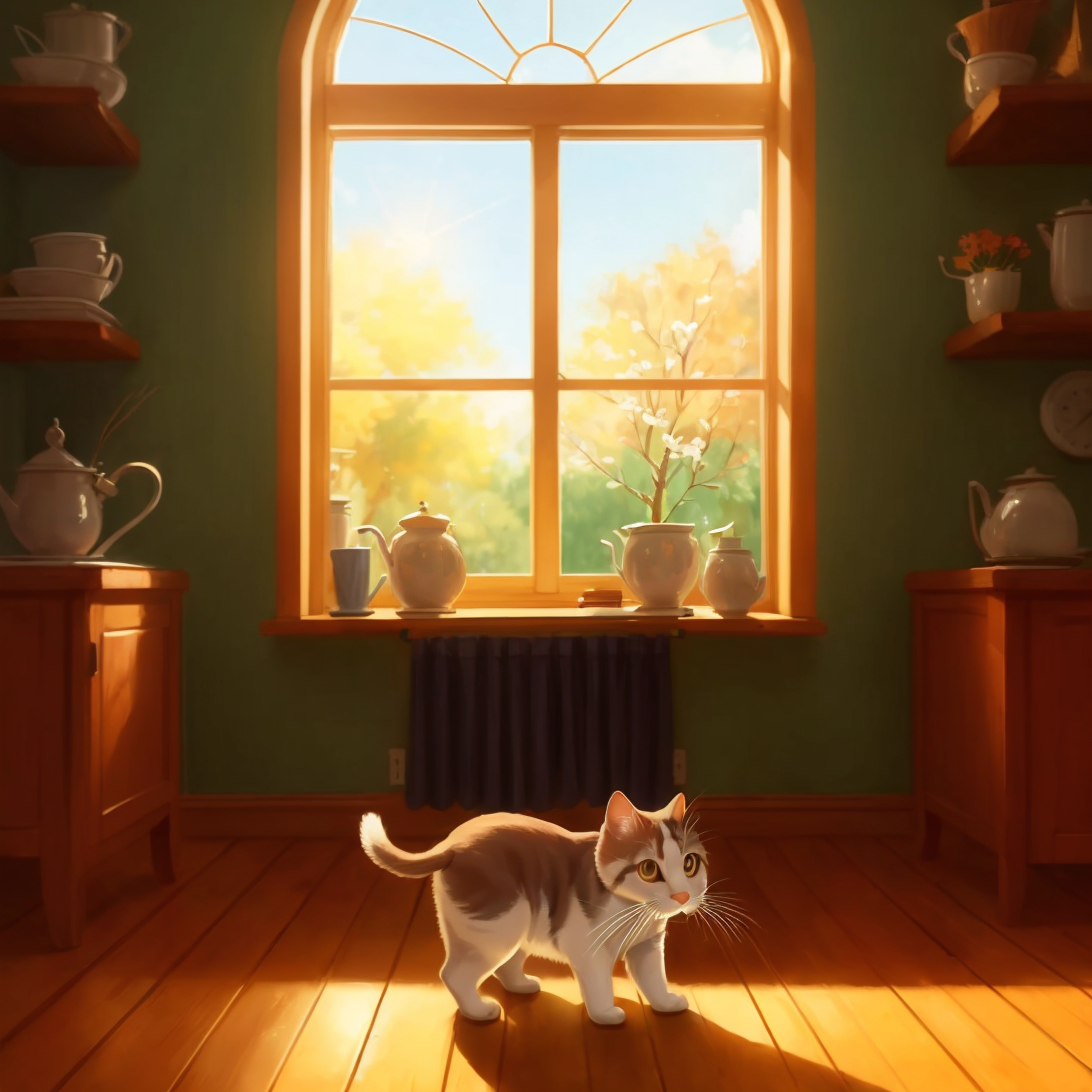
Cat meets a dog, they go to a log and meet a frog
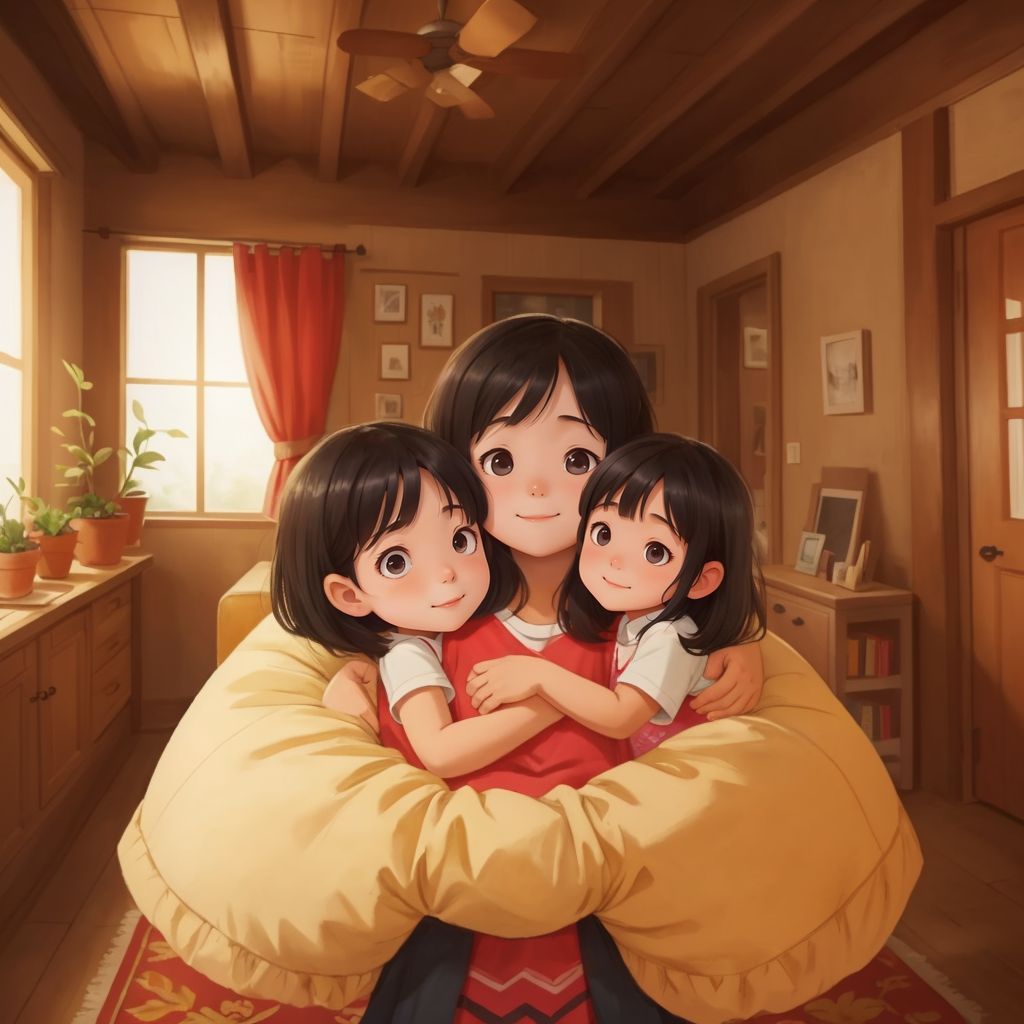
A poem about a child who honors her mother and father, loves her sister and brother,
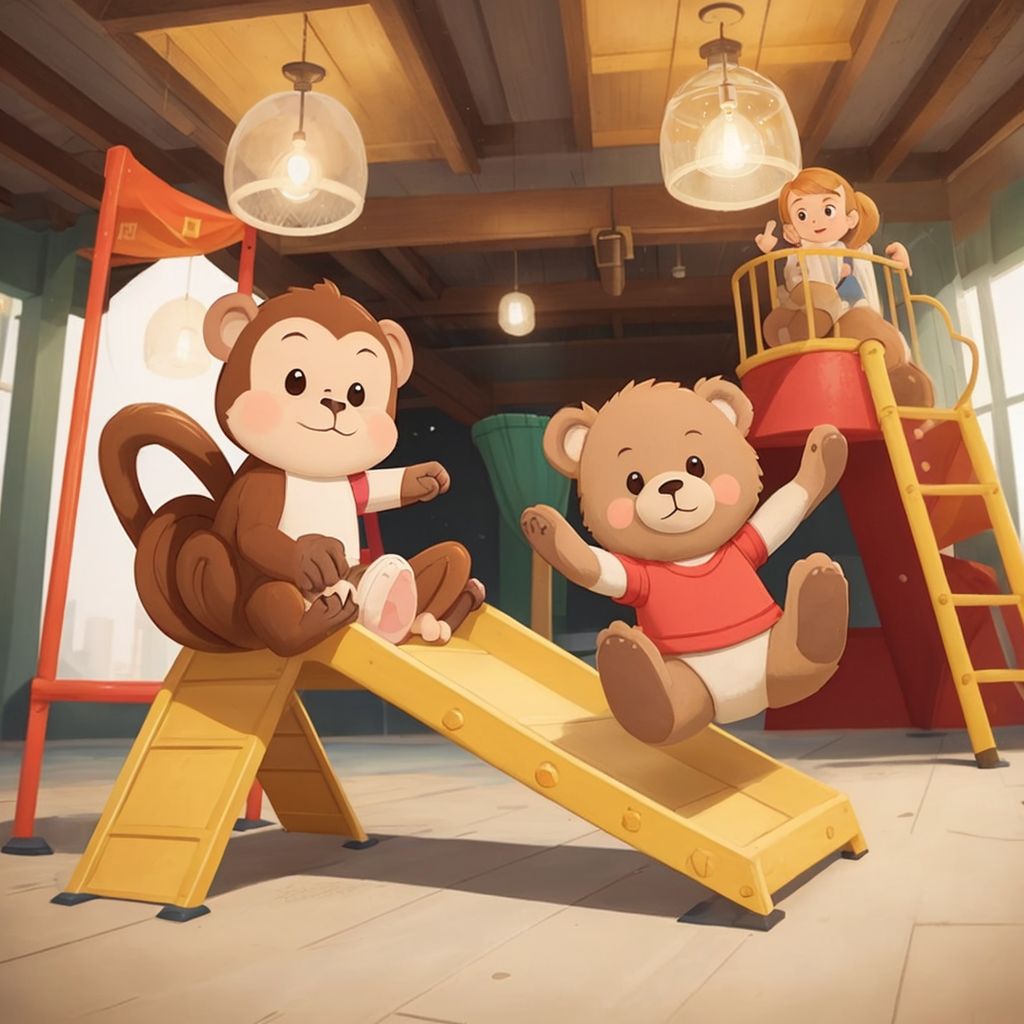
Mongie the monkey and Sweetie the teddy bear love adventures. They live in a large indoor playground called Hide n Seek. Today, they planned to play a game of hide and seek together. They felt very happy and excited to start their adventure. The pictures should be inside the game land, where they go down on a blue wavy slide, jump on a trampoline and eat in a café. Make the character as similar as possible as in the picture. Make heroes in Pixar format
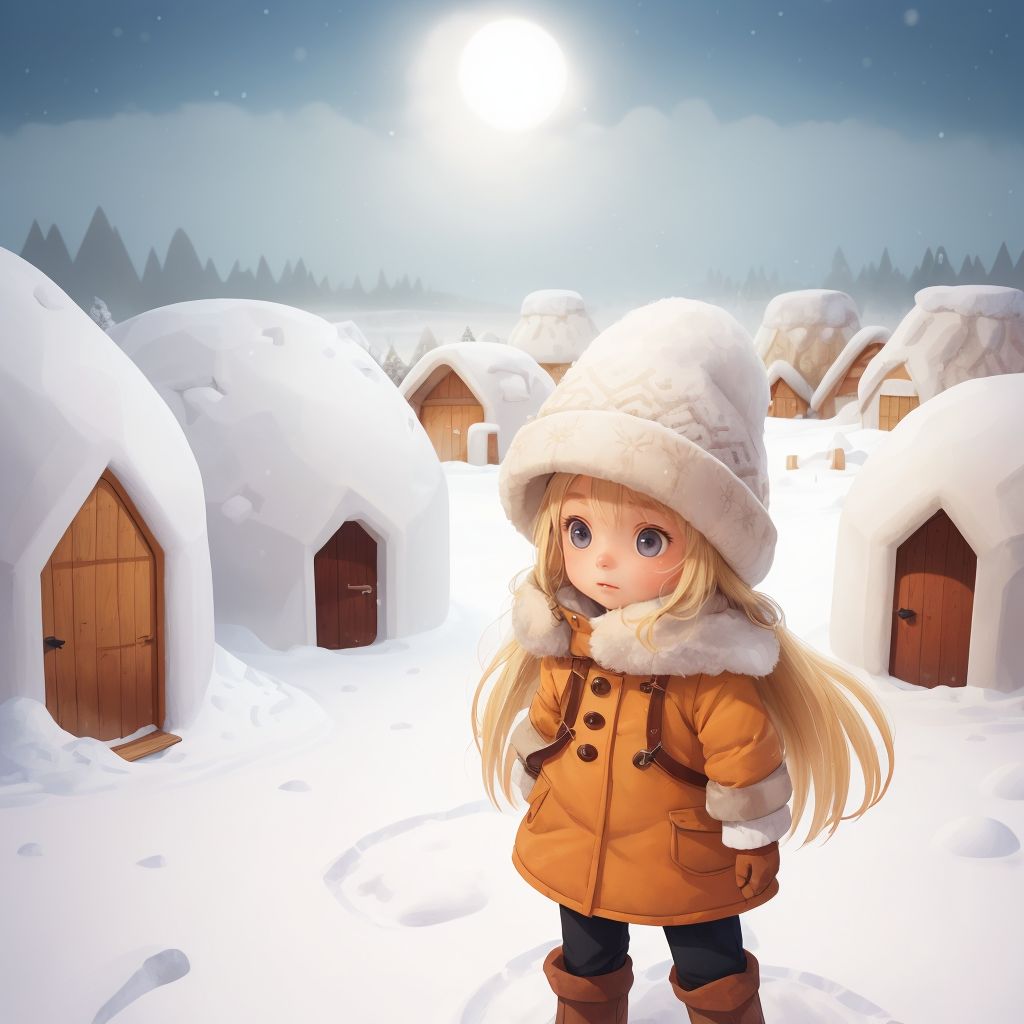
Once upon a time, in a chilly land of ice and snow, there lived a curious young girl named Goldilocks. One frosty winter's day, Goldilocks decided to explore the frozen wilderness beyond her igloo. As she wandered through the icy landscape when she stumbled upon a peculiar sight - three cozy igloos nestled side by side.
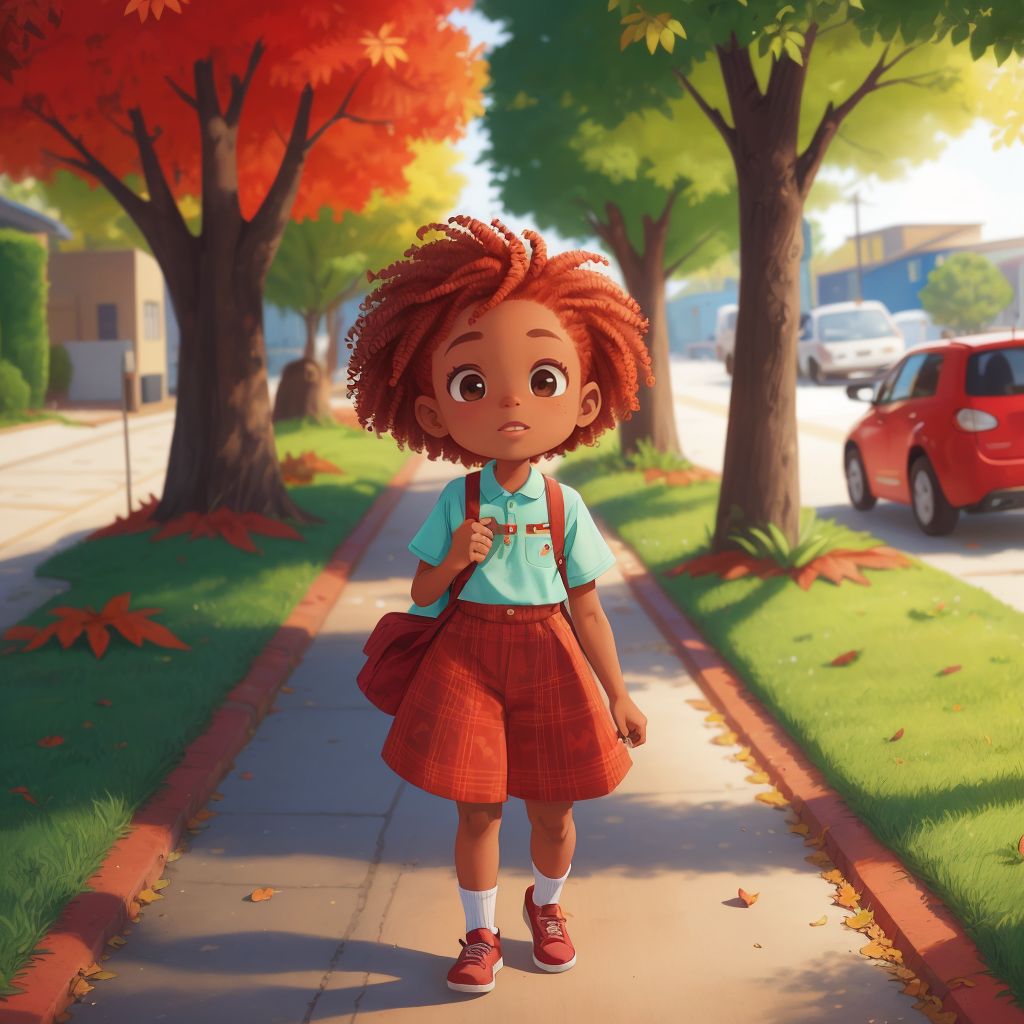
In 'My Brain Has Its Own Language,' young readers are invited to journey with a relatable protagonist who lives with ADHD and Autism Spectrum Disorder (ASD). Through a heartwarming narrative and captivating illustrations, the book explores the unique way our hero's brain works, celebrating their individuality. As the story unfolds, children learn to embrace their differences and discover that their brains have their very own special language. This empowering book fosters self-acceptance and encourages children to take pride in their unique minds, while also promoting empathy and understanding for peers with neurodiverse experiences. With practical resources and tools, it provides invaluable support for children and caregivers. 'My Brain Has its Own Language' is a beautifully written and illustrated story that opens the door to important conversations about neurodiversity, creating a world where diversity is celebrated and understood.

habia una vez dos pelados, que travajaban en una oficina con mucho calor. pero un dia le instalaron un aire acondicionado y desde entonces viven rodeados de pinguinos. y colorin coloradao este cuento se a acabado.
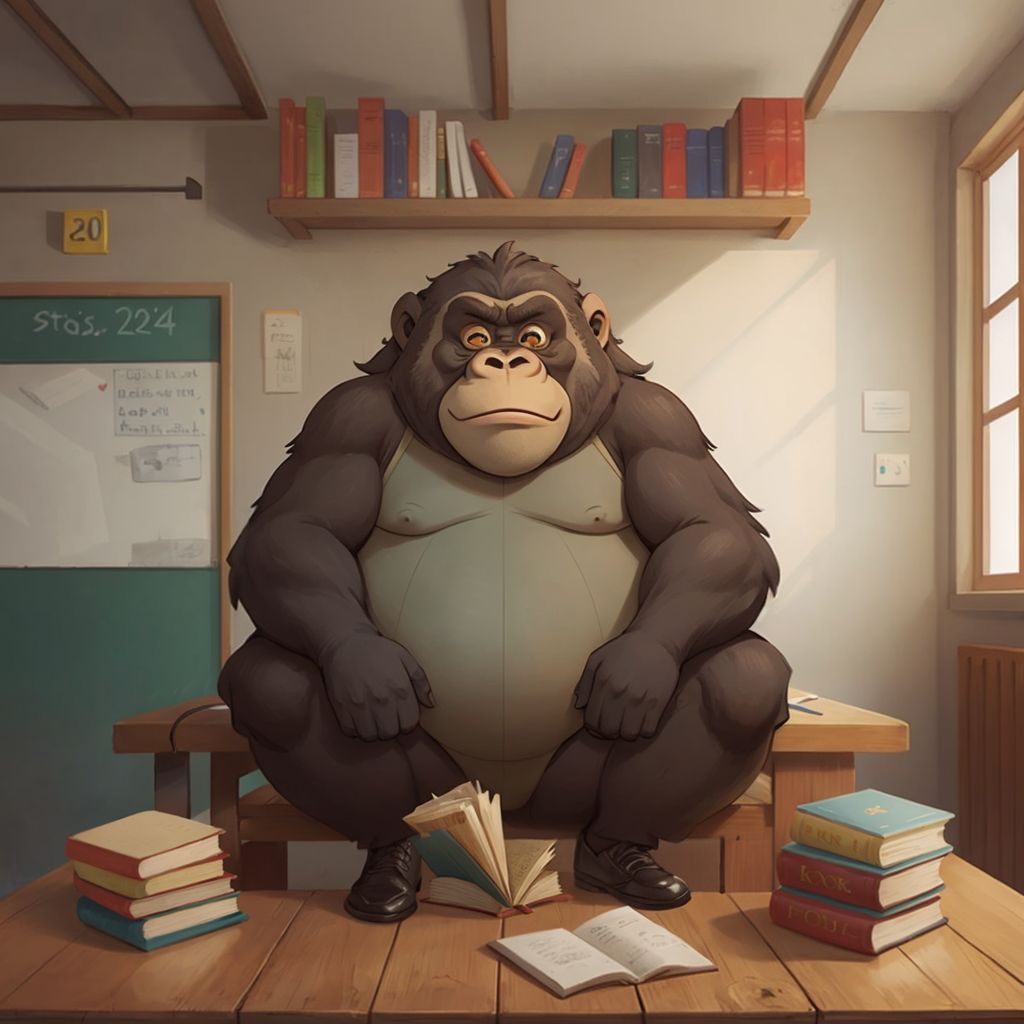
Page 1: Emma was a gentle gorilla who loved to read and play, but there was one thing she didn’t like—school. Every day, the other kids made fun of her. Page 2: “You’re too big!” they teased. “You’ll never fit in with us!” Emma felt lonely, but she didn’t want to fight back. She wanted to be strong in a different way. Page 3: One day, Emma saw a bright sign that said, “Join the Muay Thai Gym Today!” “What’s Muay Thai?” she wondered. She decided to find out. Page 4: Emma walked into the gym. The air smelled like sweat, and everyone was focused and working hard. She felt a little nervous, but the trainer, a wise old elephant, smiled. “Are you ready to become strong?” he asked. Page 5: The first day, Emma learned to stretch her muscles. She tried to touch her toes, but her big arms made it hard. “Don’t worry,” said the elephant. “Strength comes with Page 6: Next, Emma learned to punch! She hit the bag with all her might, and the bag swayed and swung. It felt good to be strong. Page 7: She learned to kick, too! With every kick, her legs grew stronger. Her feet sliced through the air like Page 8: Every day, Emma worked harder. She practiced her punches, her kicks, and her footwork. Soon, she felt different—stronger, faster, and more confident. Page 9: Then came the sparring! Emma faced a tough opponent, but with her new skills, she held her own. She moved like a whirlwind, graceful but powerful. Page 10: Soon, Emma wasn’t the shy gorilla at school anymore. She walked with her head high, her muscles strong, and her heart kind. Page 11: The other kids noticed how strong and confident she had become. They were surprised, but instead of teasing her, they felt a little afraid. But Emma wasn’t mad. She smiled and said, “Hi, would you like to play?” Page 12: From then on, Emma showed everyone that being strong didn’t mean being mean. It meant being kind and standing up for yourself—and for others. The End.
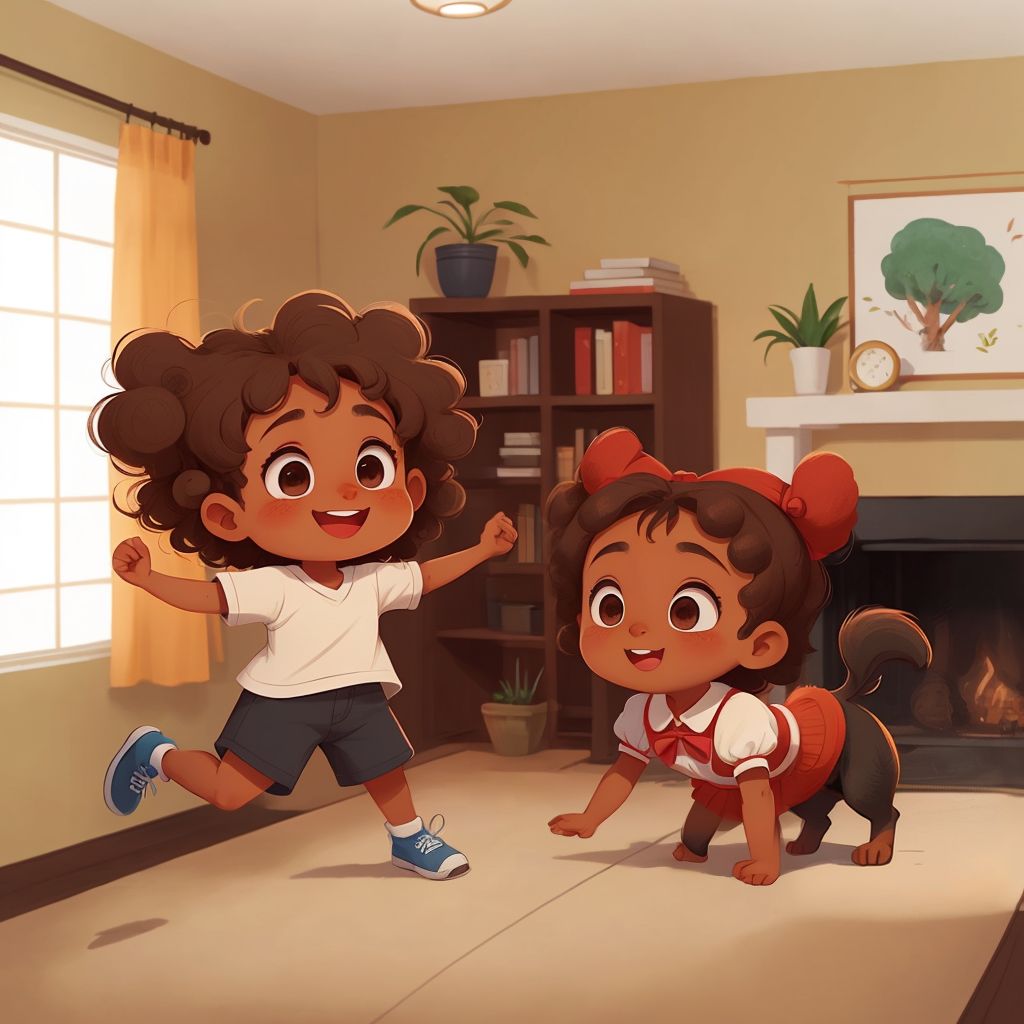
lina and lennox visit the beach in Hawaii for the first time. they are excited about seeing the ocean, playing in the sand, and making footprints.
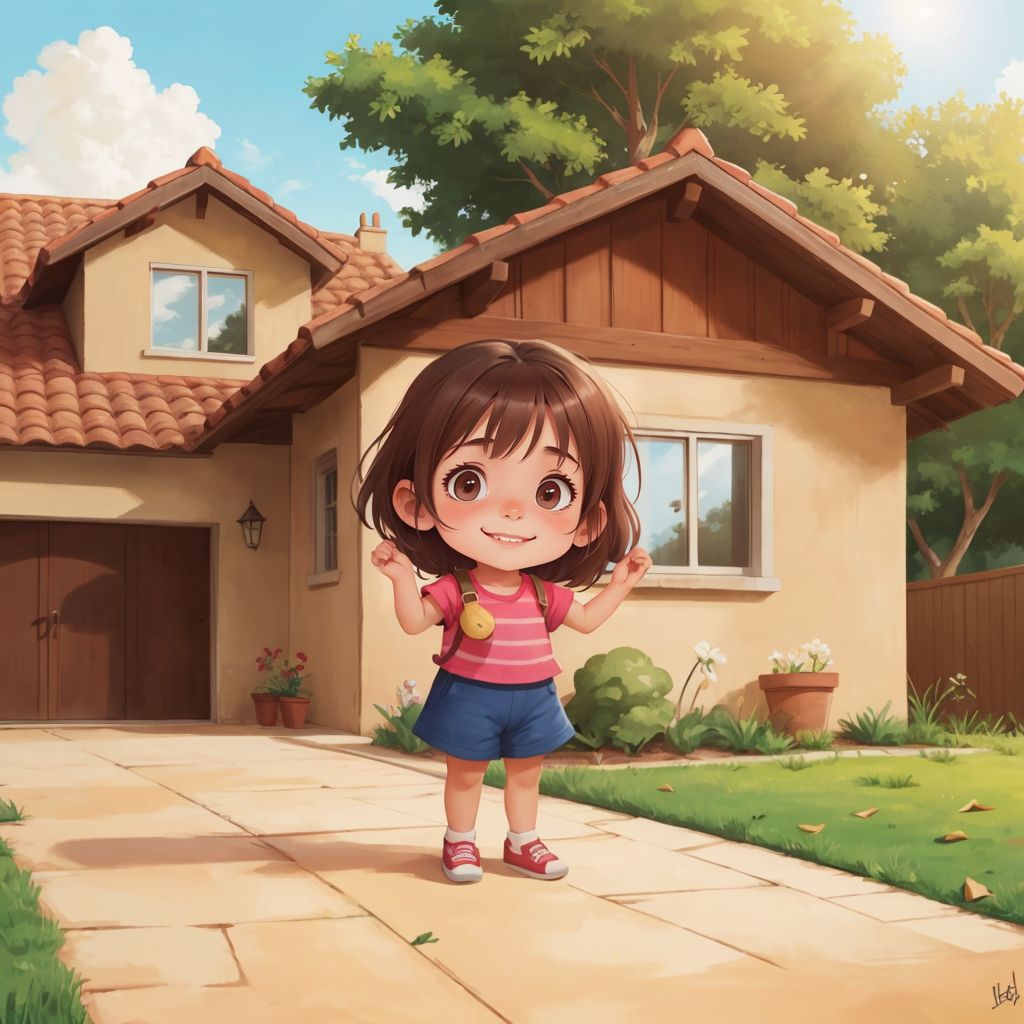
Create a 10-slide digital storybook for children aged 4–10. The storybook should introduce and explain four key nutrition assistance programs: • WIC (Women, Infants, and Children) • NSLP (National School Lunch Program) • SBP (School Breakfast Program) • CACFP (Child and Adult Care Food Program) Your story should educate young readers using simple language and engaging visuals. Incorporate community nutrition education principles, behavior change theories, cultural competence, and marketing strategies. Assignment Instructions: 1. Planning Phase A. Community Assessment • Choose a Target Group: Select a specific community (e.g., low-income urban families, rural populations, immigrant communities). You can use a group from a previous assignment if applicable. • Research: Find information about the nutritional status and challenges children in this community face using reliable sources like government health reports or academic studies. • Identify Knowledge Gaps: Determine what these children and their families might not know about nutrition and available food assistance programs. B. Set Objectives and Choose a Behavior Change Theory • Define Goals: Set clear, specific objectives for your storybook (e.g., increase awareness of nutrition programs among children aged 4–10 in your chosen community). Community Nutrition Assignment 3 Instructions • Select a Theory: Pick a behavior change theory to guide your content (e.g., Social Cognitive Theory, Health Belief Model etc). • Plan Implementation: Outline how you will use the chosen theory to influence children's perceptions and behaviors about nutrition.
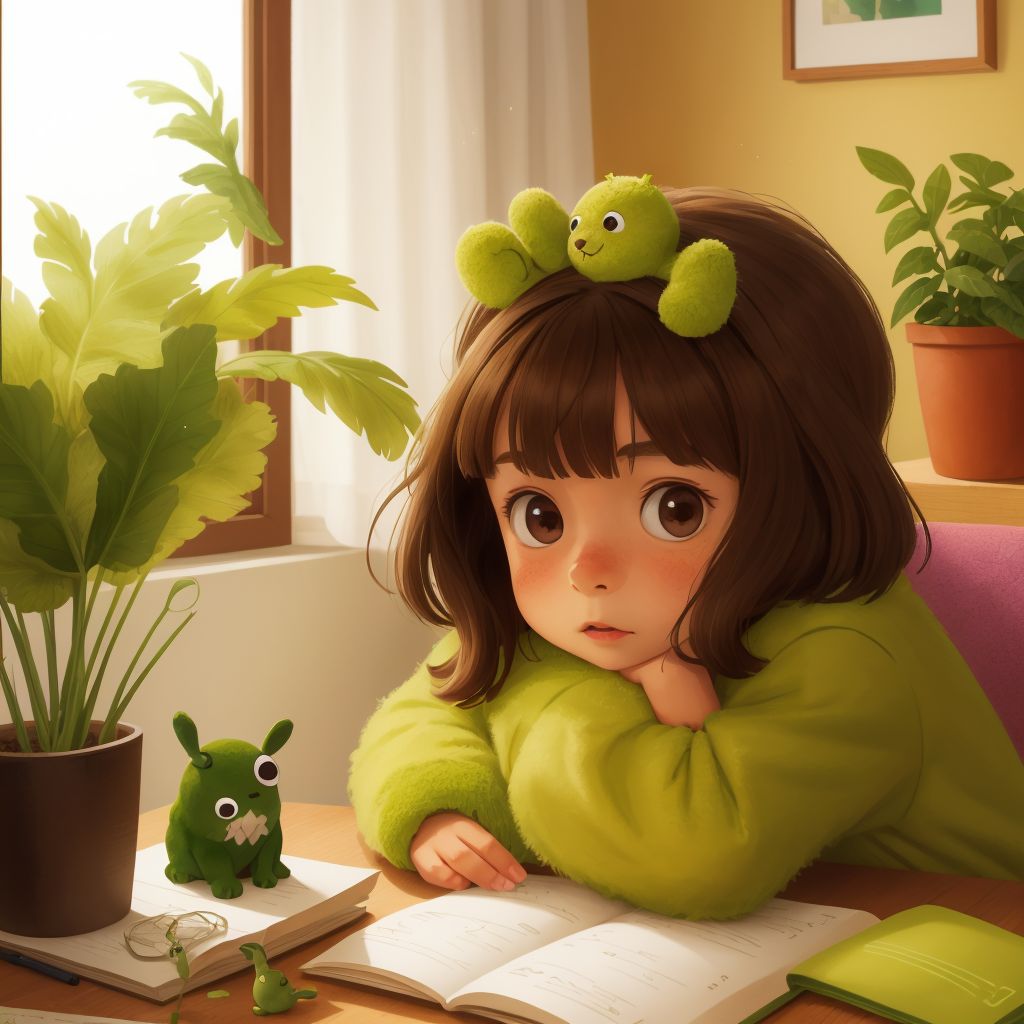
Ida komt er achter dat ze kan reizen door haar hoofd onder een bureau te stooten. Als ze dat komt ze een groen harig schattig monstertje tegen.
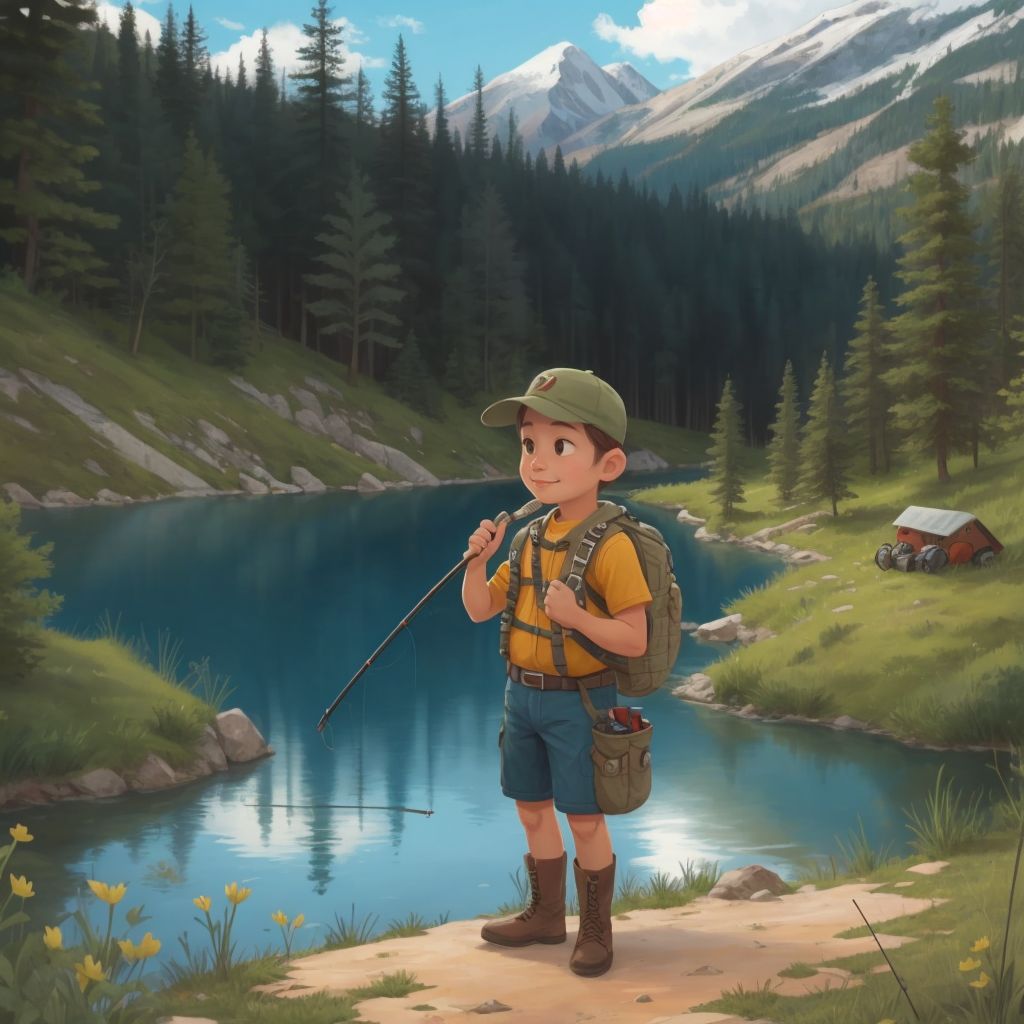
Wally the Wrangler, a cowboy with unique fishing skills, journeys to the Land of 10,000 Lakes in search of the legendary giant walleye, Gichi-Giigoonh. He befriends Quarry, an Ojibwe elder, who shares the tribe's cultural heritage and teaches Wally about respecting nature. Wally's quest for Gichi-Giigoonh intensifies, leading him to a deep-sea adventure and an encounter with the elusive fish. He realizes his journey is about more than just catching a fish—it's about connecting with nature and understanding the interconnectedness of life. Wally eventually catches and releases Gichi-Giigoonh, forming a pact of mutual respect. They embark on underwater adventures together, celebrating their friendship with other creatures. A storm disrupts their festivities, but Wally, Gichi-Giigoonh, and their friends face it with unity and courage. Wally bids farewell, reflecting on the enduring impact of their bond and the lessons he's learned.
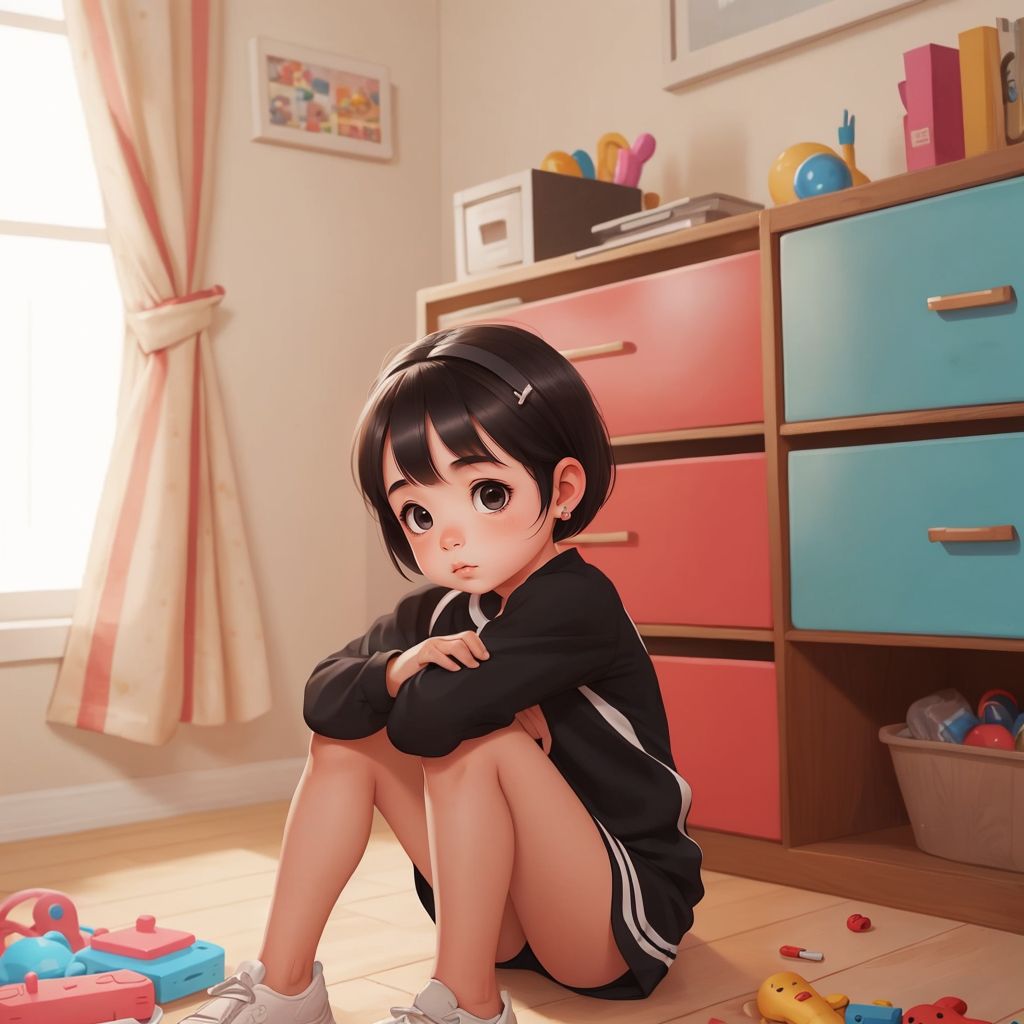
1.Lera was a cheerful and lively little girl who had just turned four years old. Her mother, Julia, always tried to teach Lera something new. One fine day, Julia noticed that Lera's room was filled with toys scattered all over the floor. Julia decided it was time to teach Lera how to clean up, but to do it in a way that would turn tidying up into an exciting adventure. "Lera," called Julia, "how about we play a game of real helpers?" "What will we do, Mommy?" Lera asked with curiosity. "We'll help each other clean up our house," Julia smiled. "I'll show you how, and soon you'll become the real mistress of your room." Lera's eyes sparkled at the idea of becoming the little mistress of her room. Julia began with something simple—showing her how to place toys on the shelves. --- Lera, captivated by the game, didn't even notice how many toys were piling up around her. But Julia, knowing the importance of teaching a child to keep things tidy from a young age, decided to seize the moment to show Lera how to take care of her belongings. "Lera, look at all the toys you have here!" said Julia with a smile. "Let’s play a fun game. We will be little helpers who help all the toys find their place." Lera looked at her mom with interest. "How do we do that?" she asked. "It’s very simple," explained Julia. "Every time you finish playing with a toy, we'll help it return to its 'home'—either on a shelf or in a box. You can imagine that the toys are your friends, and they also need to rest after playing." Lera thought for a moment, then burst into a joyful laugh. "Let's do it, Mommy!" she said, running over to the first teddy bear lying on the floor. Julia and Lera began carefully picking up the toys. Julia showed Lera where to put each item, and the little girl happily helped. They turned the cleaning into a fun game, inventing stories about how the toys thanked Lera for helping them return home. When the whole room was tidy, Lera proudly looked around at her work
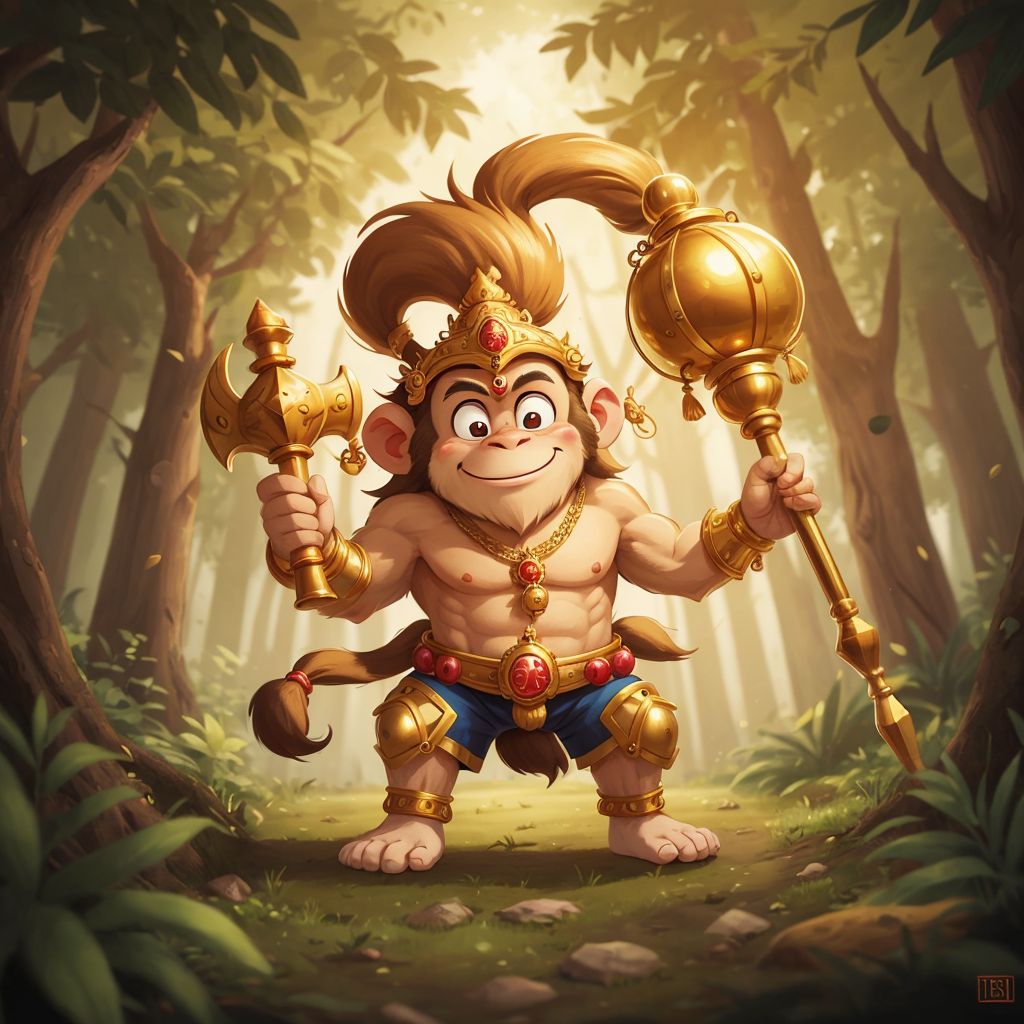
Page 1: Once upon a time, there was a little monkey named Hanuman. Hanuman was strong, kind, and he could fly! Page 2: One day, Hanuman heard a tiny voice saying, “Help! Help!” It was a little bird trapped under a tree. Page 3: “I will help!” said Hanuman. With a BIG jump, he lifted the heavy tree and set the little bird free. Page 4: The bird chirped, “Thank you, Hanuman! You are so strong!” Page 5: Hanuman smiled. “Helping is what I do best!” he said. Then he heard another noise. Page 6: It was a big, scary monster! “I’m Rakta, and I want to make everyone scared!” he roared. Page 7: Hanuman wasn’t scared. “I’ll stop you!” he said. Page 8: Hanuman jumped super high and spun the monster around! Rakta flew away far, far, far! Page 9: The forest was safe! All the animals danced and shouted, “Hooray for Hanuman!” Page 10: Hanuman smiled and said, “It’s not strength that makes me happy. It’s helping friends!” The End
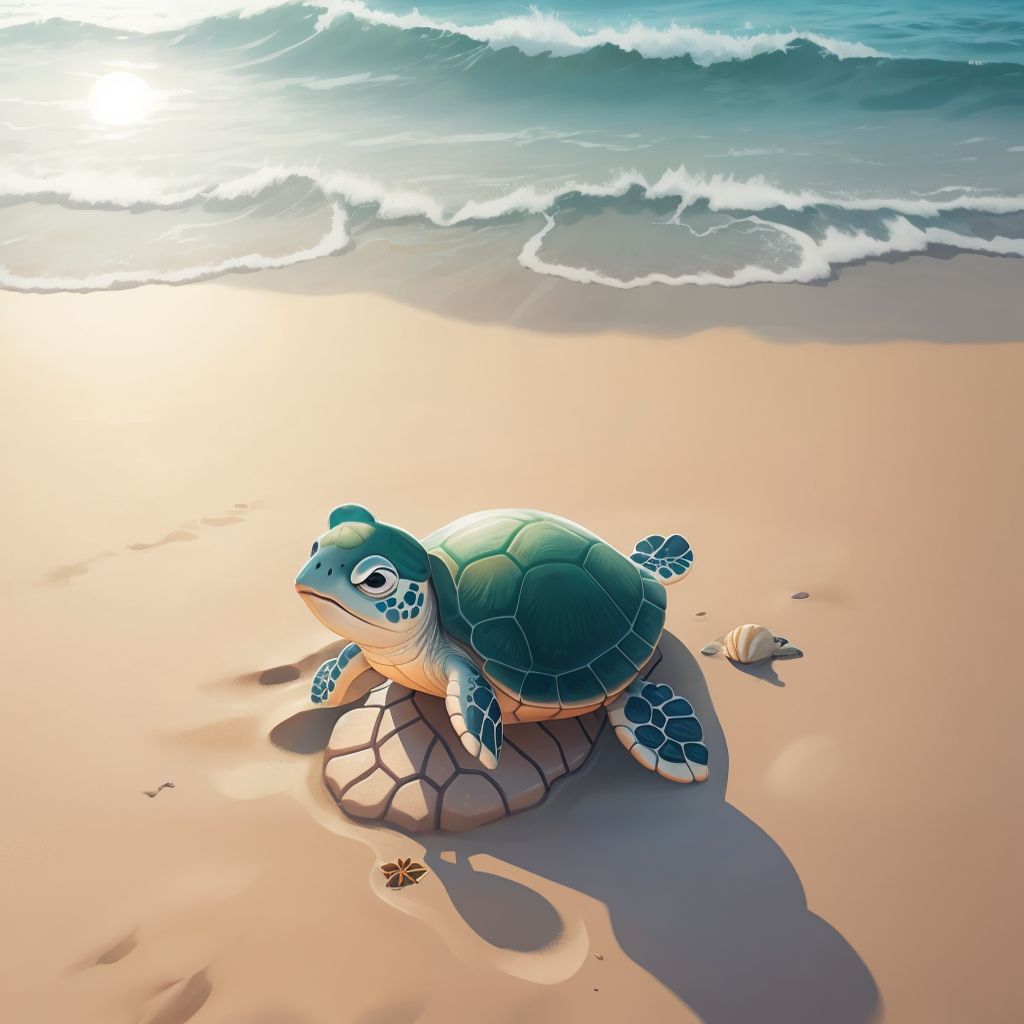
Page 1: Image: A sunny Constitution Beach with a nest of turtle eggs. Text: On a warm, sunny day, on Constitution Beach, a little turtle named Juliette hatched from her egg. She was the smallest of all her brothers and sisters. Page 2: Image: Juliette looking at the big ocean for the first time. Text: Juliette peeked out from her shell and saw the big, blue ocean. It looked so exciting and a little bit scary too. Page 3: Image: Juliette and her siblings moving toward the ocean. Text: "Come on, Juliette! Let's go to the water!" her brothers and sisters called out. Juliette took a deep breath and started to crawl toward the ocean. Page 4: Image: Juliette meeting a friendly crab. Text: On her way, Juliette met a friendly crab named Leah. "Hello, little turtle! Where are you going?" Leah asked. "I'm going to the ocean," Juliette replied. "But it's so big, and I'm so small." Page 5: Image: Leah encouraging Juliette. Text: "Don't worry, Juliette," Leah said with a smile. "You are braver than you think. Just keep moving forward." Page 6: Image: Juliette encountering a seagull. Text: As Juliette crawled, she saw a big shadow above her. It was a seagull! Juliette felt a little scared, but she remembered Leah's words. Page 7: Image: Juliette hiding in her shell. Text: Juliette quickly hid in her shell. The seagull flew away, and Juliette felt proud of herself for being so brave. Page 8: Image: Juliette finally reaching the water. Text: Finally, Juliette reached the edge of the ocean. The waves tickled her tiny flippers, and she giggled. She did it! She made it to the ocean. Page 9: Image: Juliette swimming in the ocean with other sea creatures. Text: Juliette swam happily in the water, meeting colorful fish and friendly dolphins. She felt brave and strong. Page 10: Image: Juliette looking back at the beach. Text: As the sun set, Juliette looked back at Constitution Beach. She knew that no matter how small she was, she could do anything if she believed in herself.
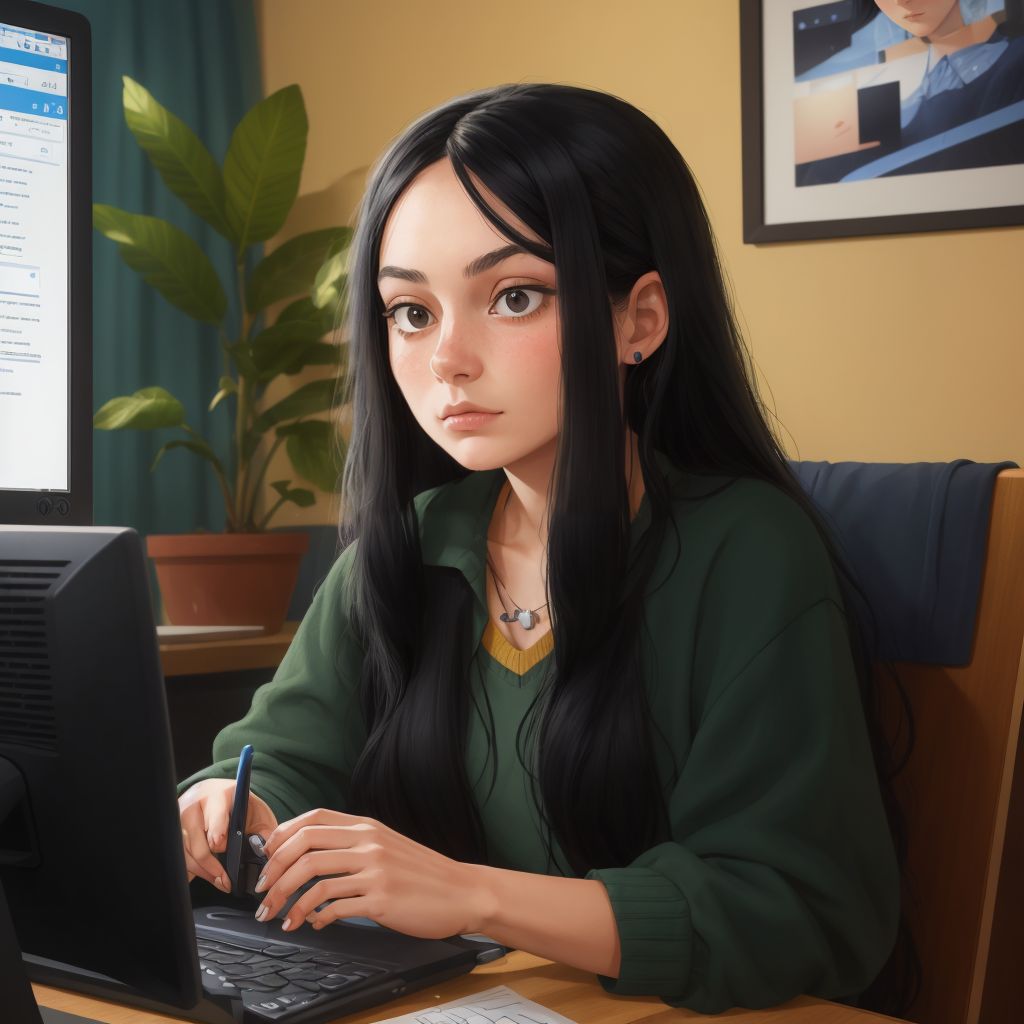
Phishing attacks are a sneaky kind of cyber scam where attackers try to trick you into giving away personal information or clicking on malicious links. They do this by disguising themselves as someone or something you trust.