
 Start Read
 Recommend
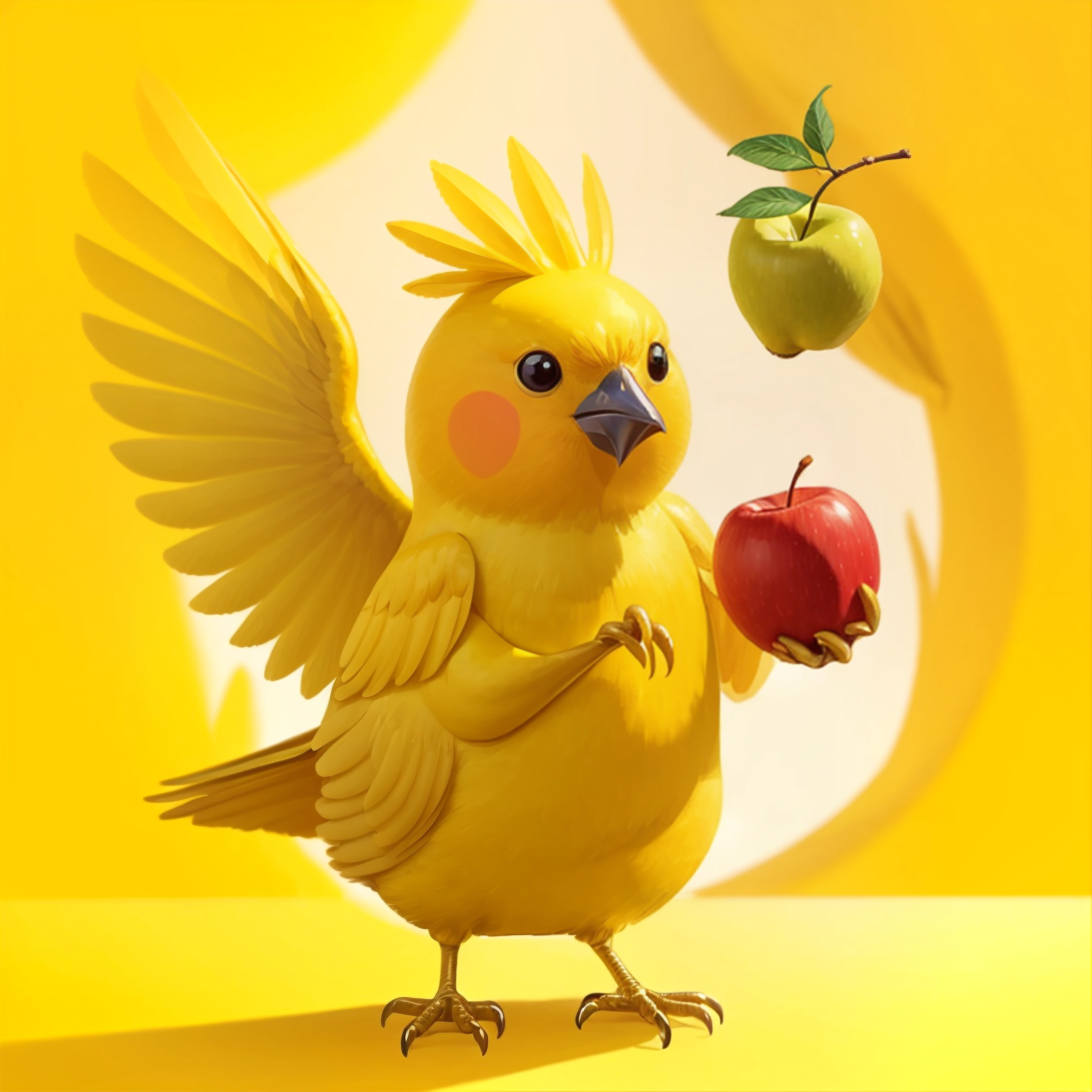
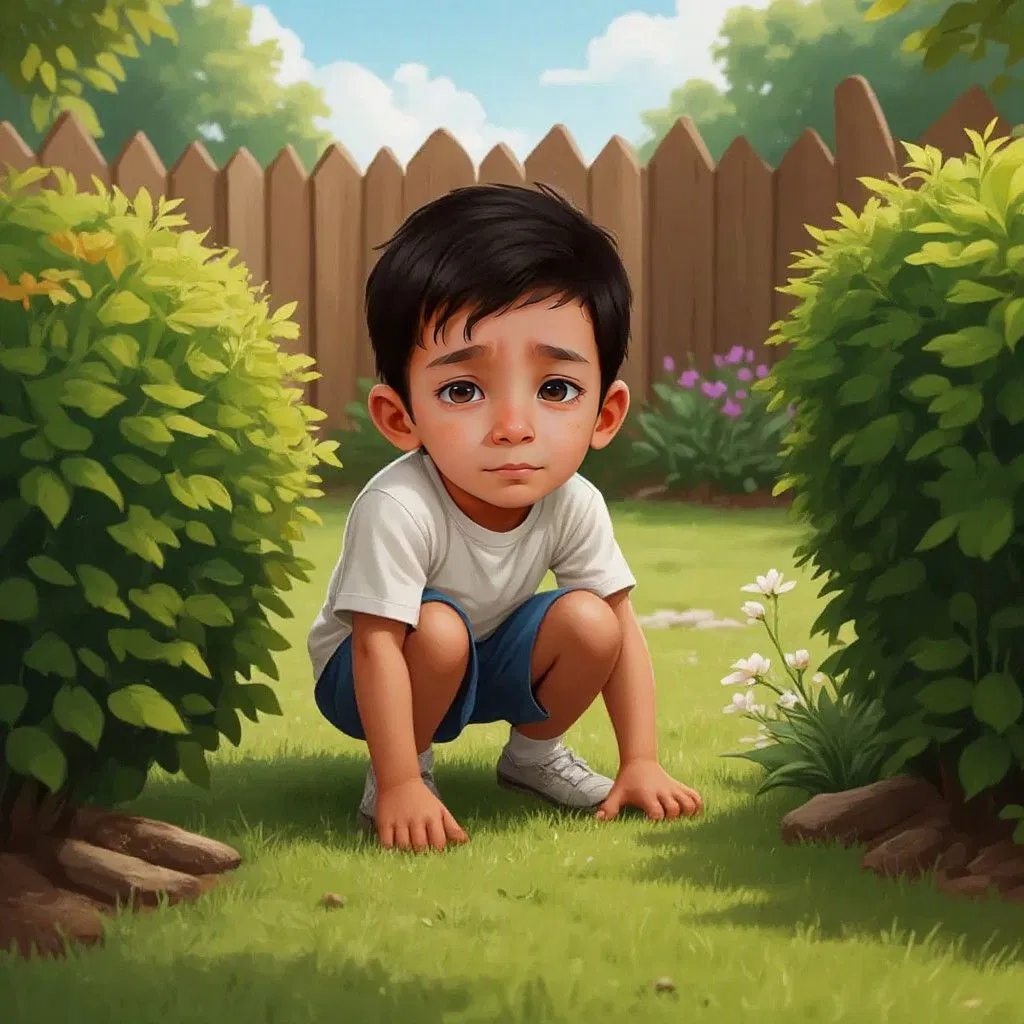
Annie loses her favorite apple
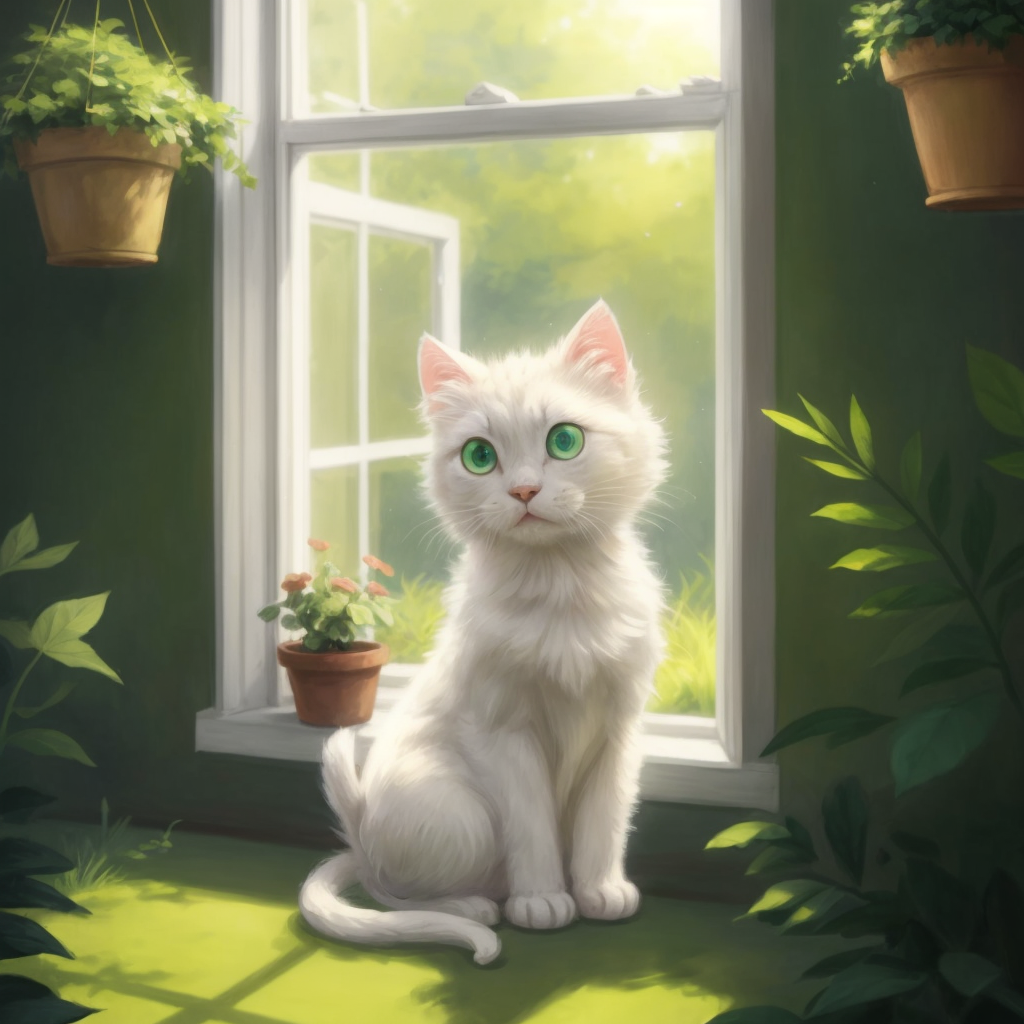
A little white cat ask the mother where he can find the rainbow. He look around the house and found a beautiful rainbow that can be seen from land, see and sky.
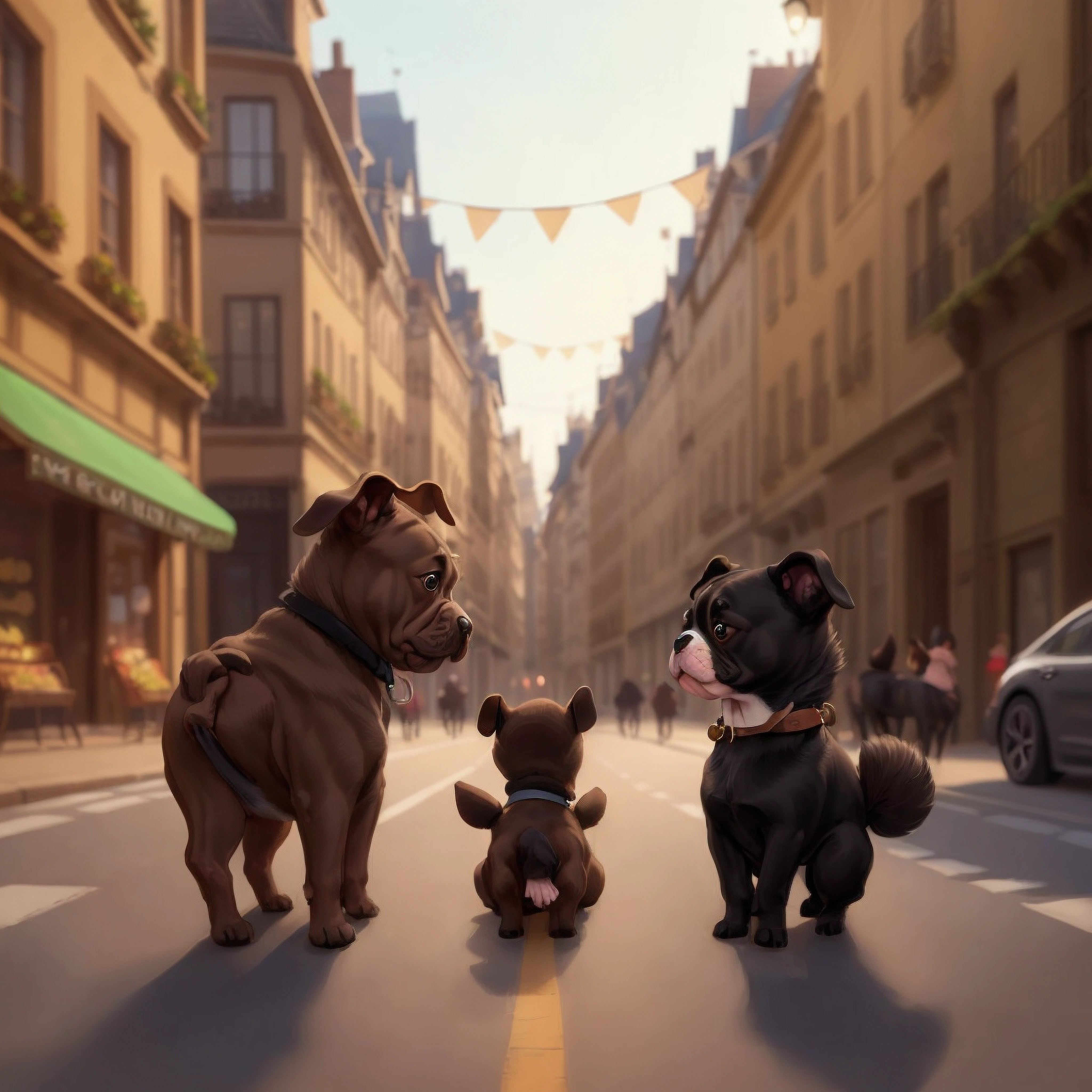
A story about a lonely little pup who is trying to find her way to a loving home.
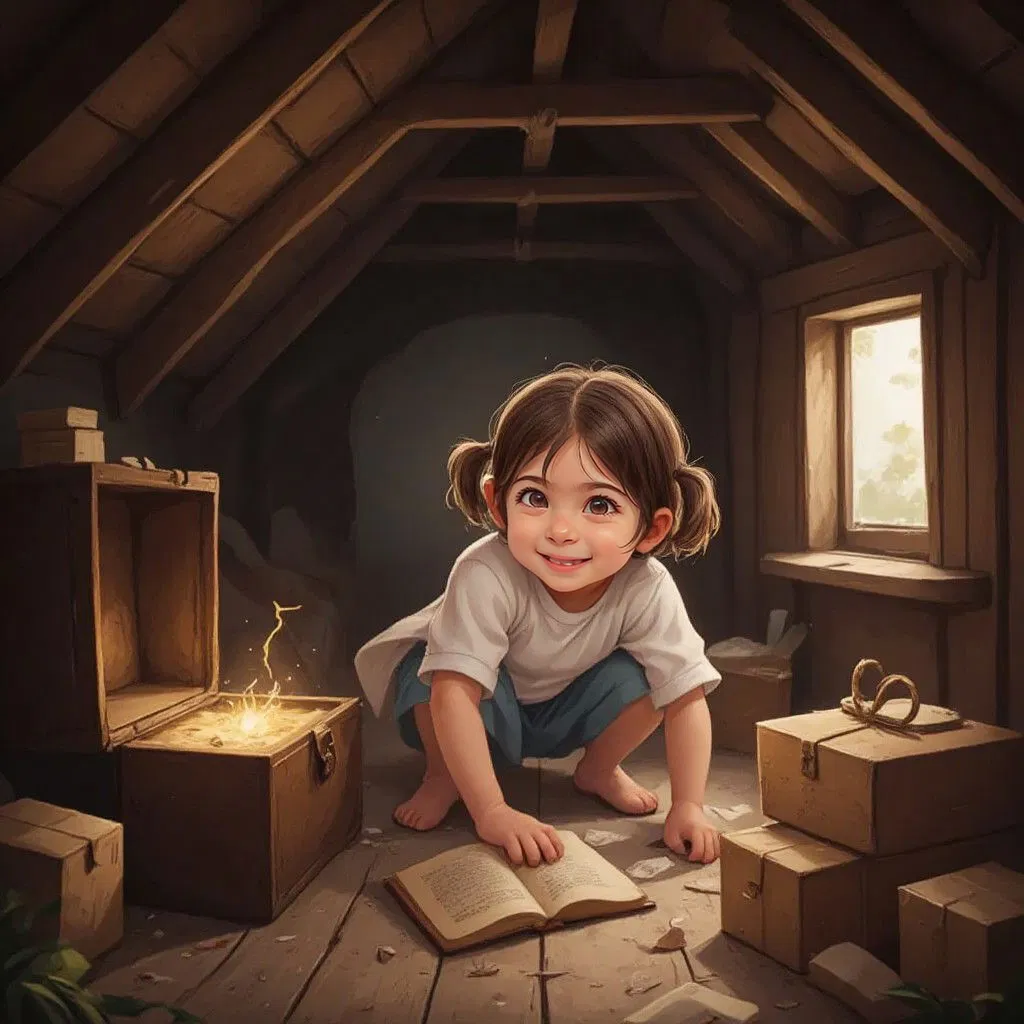
Dina, a curious and kind-hearted girl, finds an old chest in her grandmother’s attic. Inside, she discovers a beautifully decorated book filled with golden Arabic letters—her grandmother’s Quran. Curious, she asks her grandmother about it. Her grandmother tells her that the Quran is a book of love, kindness, and guidance from Allah. She shares a story from Prophet Muhammad’s (PBUH) life each night, teaching Dina about honesty, gratitude, and helping others. One day, Dina sees a lost kitten shivering in the rain. Remembering the Prophet’s kindness to animals, she takes the kitten home and cares for it. The next day, she helps a friend who is sad and gives a piece of her favorite chocolate to a classmate who forgot lunch. Each good deed makes her feel a warm light inside her heart. She realizes that Islam is not just about prayers but about love, kindness, and spreading light to others. Inspired, Dina starts learning small prayers, saying "Bismillah" before eating, and "Alhamdulillah" when she’s happy. Her love for Islam grows as she sees it as a beautiful way to live with kindness and gratitude. Ending: One night, as she looks up at the stars, Dina whispers, “Thank you, Allah, for everything,” feeling peace and love in her heart. She smiles, knowing she has found something truly special.
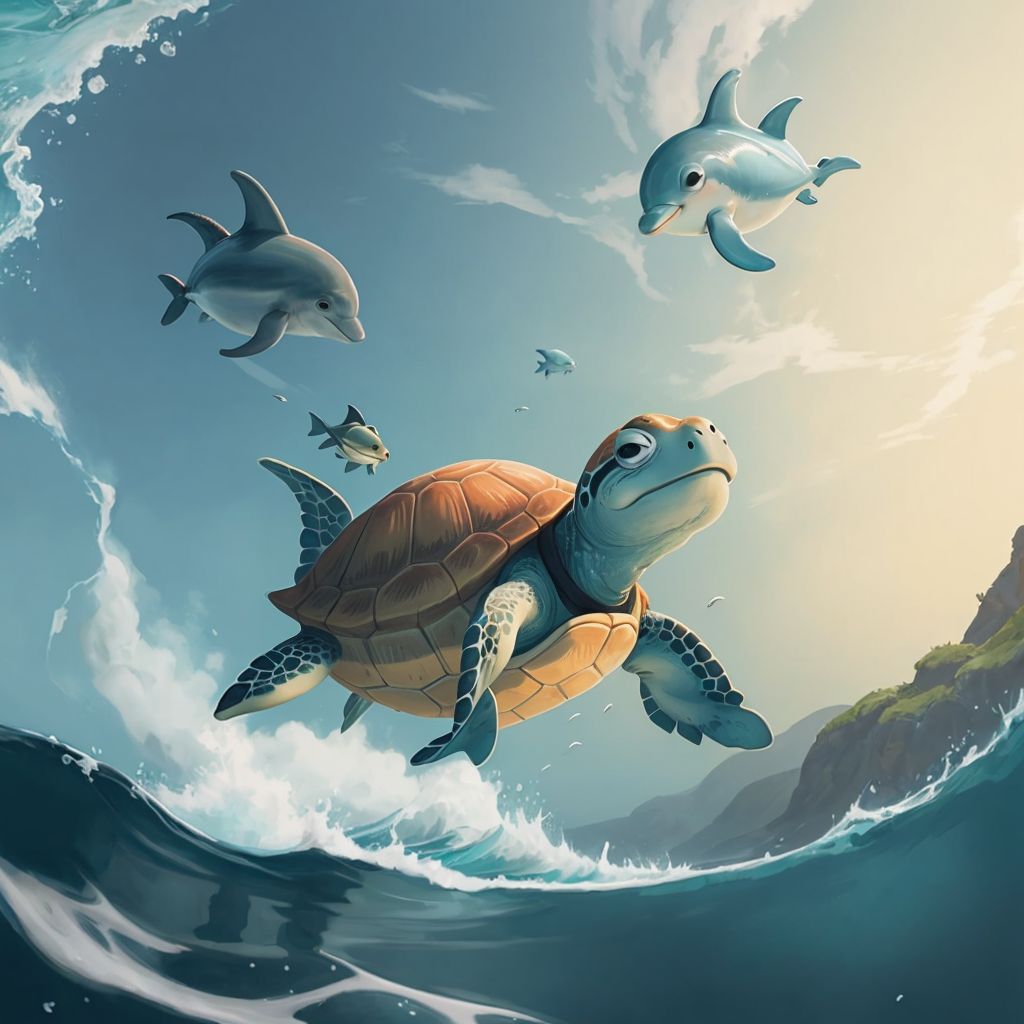
Tippy was a tiny turtle who often felt sad because he was small and not as strong as the other sea creatures. One day, a giant rock fell in the coral reef, blocking the path for all the fish, dolphins, and octopuses. They tried to move it but couldn’t. Tippy came up with a clever idea: if everyone worked together, combining their strength, speed, and pulling power, they could move the rock. Surprised but willing, the sea creatures followed his plan. With teamwork, they successfully moved the rock! Tippy learned that being small didn’t matter. His idea saved the day, proving that teamwork makes even the biggest challenges possible.
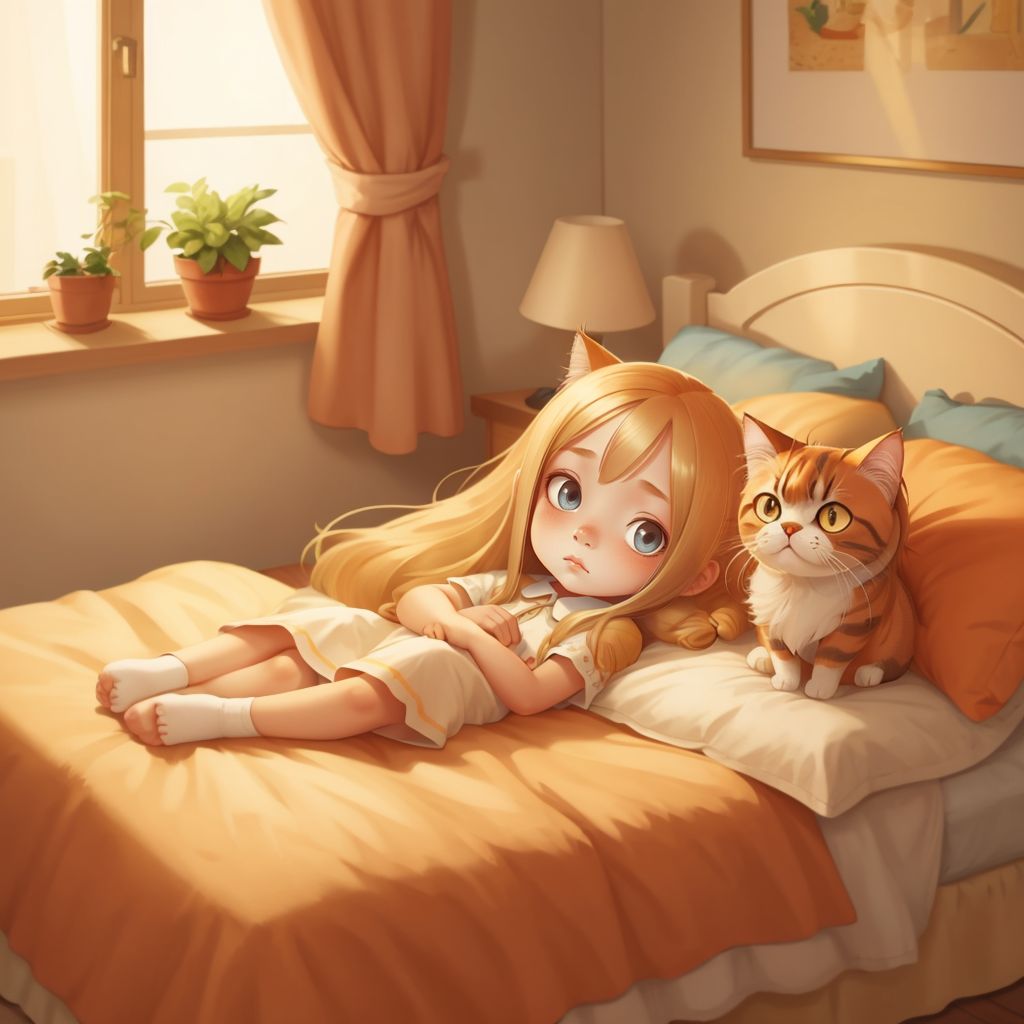
Alex była dziewczynką o żywej wyobraźni, mieszkającą z rodzicami i ukochanym kotem Mruczkiem. Każdego wieczoru opowiadała mu historie o dalekich krainach. Nie wiedziała jednak, że Mruczek jest wyjątkowy. Pewnego wieczoru, gdy Alex szykowała się do snu, zauważyła, że Mruczek zachowuje się dziwnie. Zamiast jak zwykle wskoczyć na swoje miejsce przy oknie, usiadł obok jej łóżka i patrzył na nią intensywnie. Gdy Alex głaskała kota, ten przemówił ludzkim głosem, wyjawiając swój sekret: potrafi mówić i przenosić ich do krainy zabawek. Zaskoczona Alex zgodziła się na wypowiedzenie magicznego zaklęcia. Chwilę później znaleźli się w świecie pełnym przygód, gdzie każda zabawka miała swoją historię, a każda przygoda była na wyciągnięcie ręki.

A journey of a boy who always wanted to be a programmer and eventually at 35 years he finally established a company called Wiregate and in 38 years he became a Chief Marketing Officer and Instagram superstar

a heartwarming children's book that follows the life of Mathew, a light brown-skinned male with short curly hair, from his childhood in Jamaica to his adventures in Costa Rica and beyond. Throughout the story, Mathew experiences significant milestones such as attending boarding school, coming out as gay, finding love, overcoming addiction, and pursuing his dreams in healthcare. As Mathew navigates the ups and downs of life, he learns the importance of courage, resilience, and authenticity. With vibrant illustrations and engaging storytelling, this book celebrates the power of love, friendship, and self-discovery on the journey towards true happiness and fulfillment.
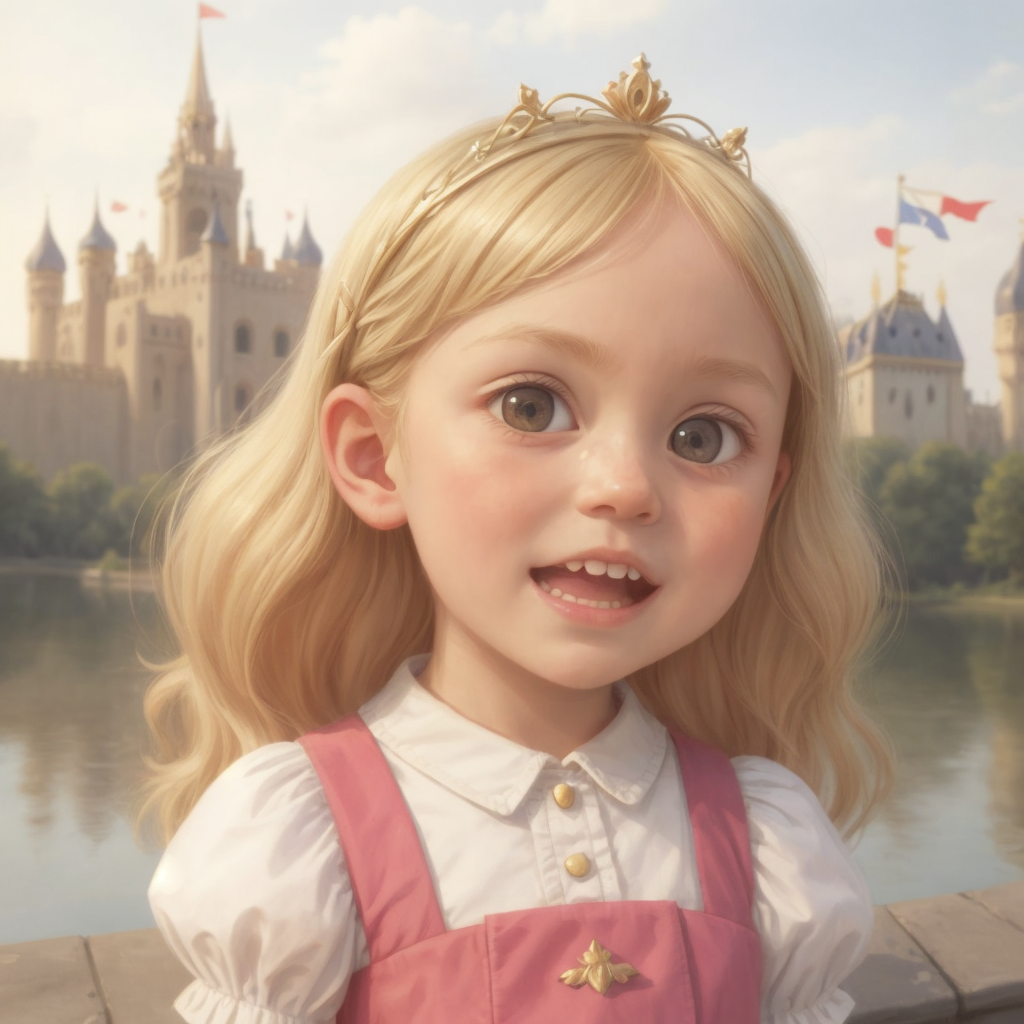
In a faraway kingdom lived Princess Isabelle, known as the "biting princess" due to her habit of biting anyone who crossed her. Despite her royal appearance, her biting behavior caused distress to her parents and others in the palace. To teach Isabelle a lesson, her Fairy Godmother gifted her a magic puppy on her birthday. Initially delighted, Isabelle's joy turned to frustration when the puppy refused to entertain her and instead bit her multiple times. Through this experience, Isabelle learned empathy and the pain of her own actions. Eventually, she stopped biting others as she realized the hurt it caused. In the end, the puppy began to tell her enchanting tales, fostering a newfound bond between them.

Mr Sloth goes to the city because he wants water and has to cross the road, he is so slow that he stops all the traffic and then he sees the ice cream van and wants some icecream. he geta that then he finds the river and climbs into it to drink , he deisturbs a lot of people, causes traffic ajms and eventually alice takes him across the road and he goes back to the forest to sleep in the tree
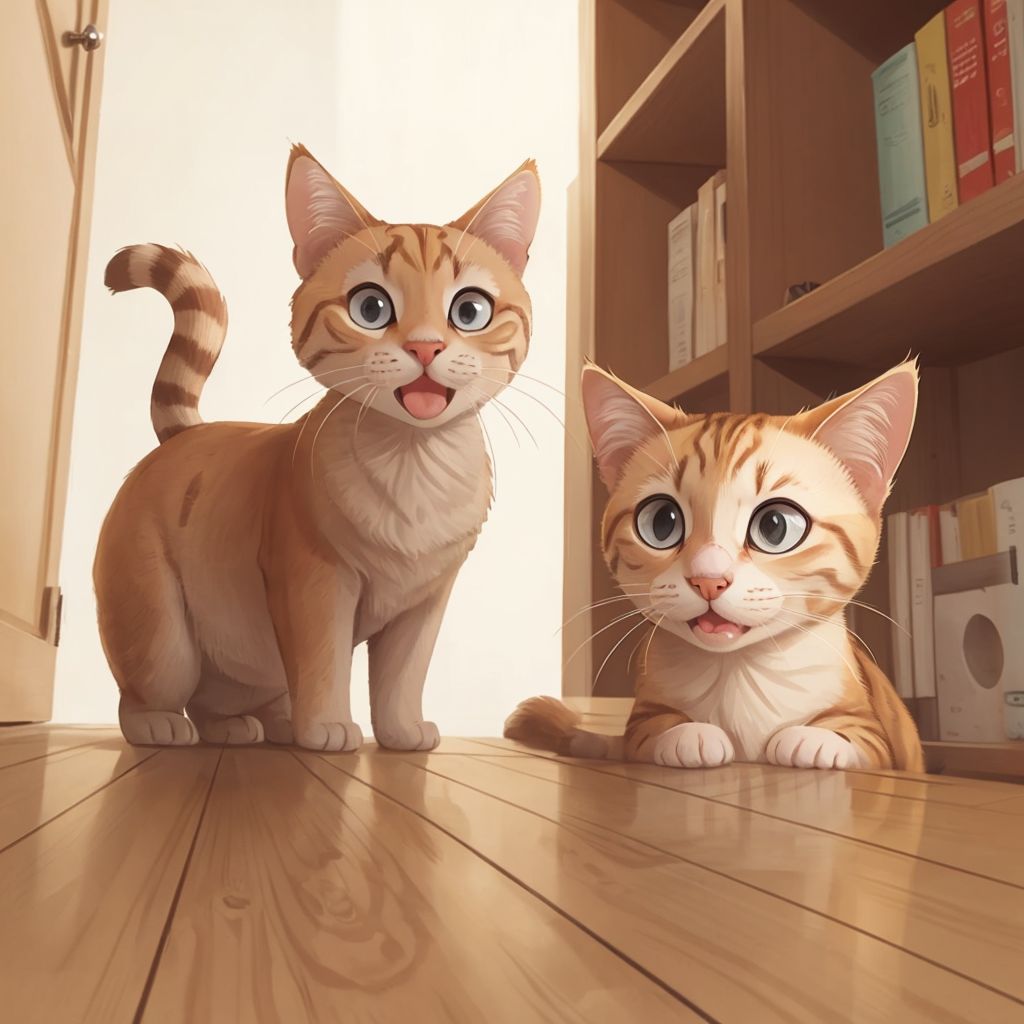
a young boy named Sam who lives with his familly find that his cat started to talk and then they become friends and helped each other

Page 1: Red is bright! Red is fun! Can you see the red sun? Page 2: Yellow is warm! Yellow is sweet! Can you see the yellow treat? Page 3: Blue is cool! Blue is deep! Can you see the blue sheep? Page 4: Text: Green is fresh! Green is bright! Can you see the green light? Page 5: Text: Orange is bold! Orange is strong! Can you see the orange song? Page 6: Text: Purple is soft! Purple is neat! Can you see the purple seat? Page 7: Pink is bright! Pink is sweet! Can you see the pink feet? Page 8: Colors all around! Can you see? Red, yellow, green, and blue, And many more just for you! Final Page: Now you know your colors, hooray! What color will you see today? Illustration: A smiling toddler holding a large crayon in their hand with colorful doodles around them. There are soft textures for children to feel around the doodles.
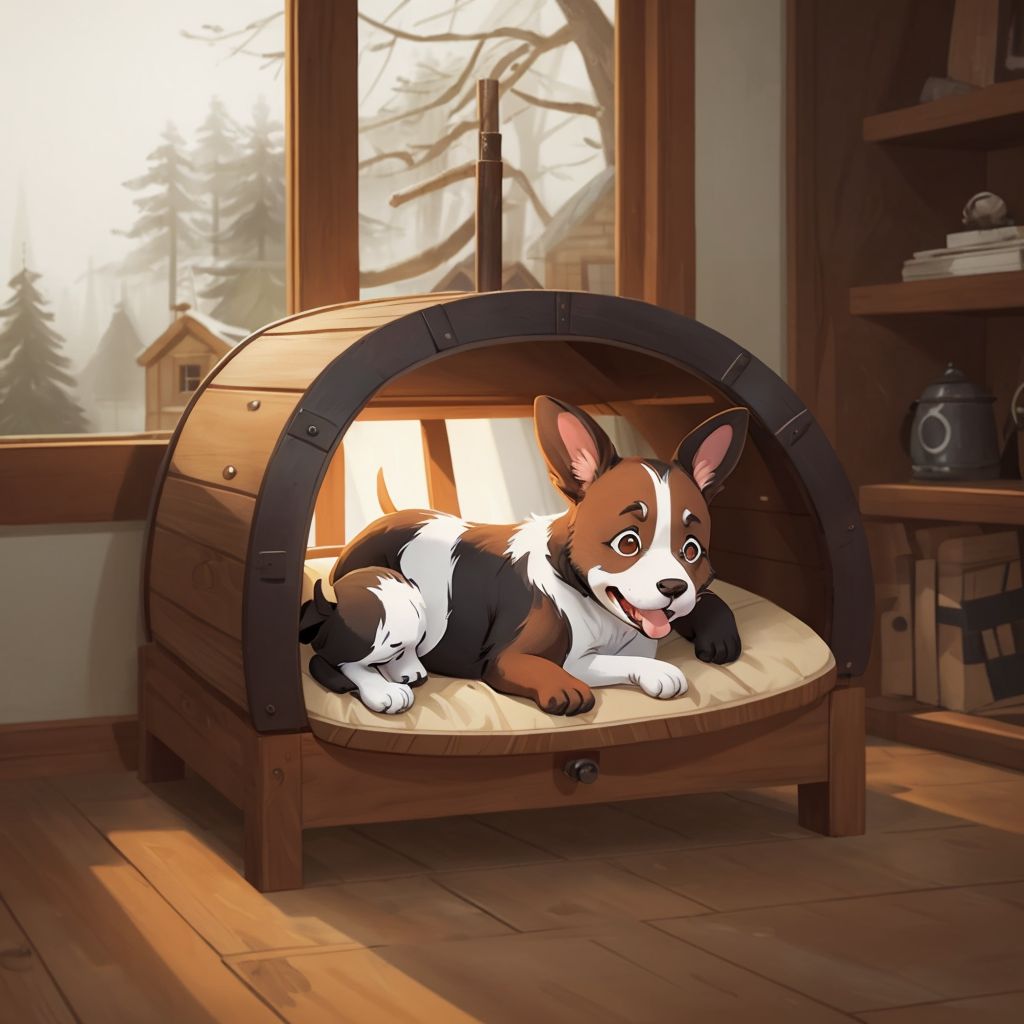
1. It is a foggy spring morning and Dookie is sleeping peacefully in his dog house 2. His floppy ears pick a strange sound near his house 3. Dookie runs outside the house, looking around the house, but he can't see anything 4. He sniffs the air and he is sure that a hairy creature is nearby 5. He stucks his nose under his dog house and sniffs hard and he is sure that someone is beneath the house 6. He diggs and diggs and gets his head beneath the house to find a mole hole. His tail is high in the air. A mole looks him direct in the eyes 7. As the mole saw Dookie it began running all around the yard. 8. Dookie starts to chase the mole, left and right, up and down until the he chased the mole out of the yard. 9. Dookie with his nose high returns to his house, proud and happy. 10. But, as the fog began to lift slowly, in front of himself Dookie noticed a dozen of mole hole, each with a mole on the top, looking at Dookie with defiance 11. Dookie cries in despair, as he knows this is the battle that he cannot win. The End
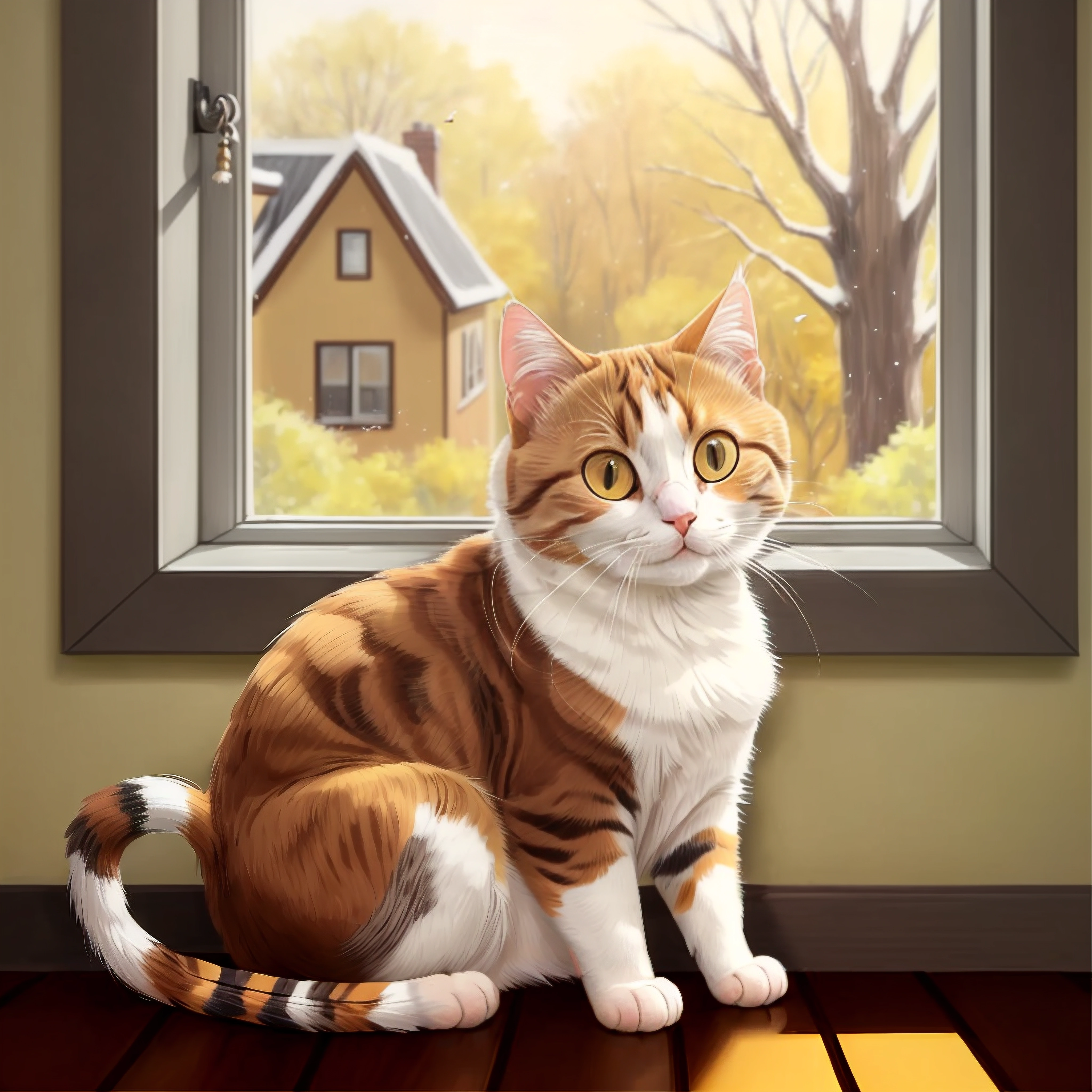
Sookie the Calico Cat wanted to go outside and explore but wasn't allowed to because she was an indoor cat.

One day there was this kid named Xayden. Xayden went to the park one day and wanted to shoot some basketball. There was one issue though, he wasn’t very good at basketball. In fact Xayden wasn’t good at all. Some other guys saw him missing and started laughing at him. They made fun of him and started calling him names. When they left, a kid named Blaise went over to Xayden and asked him if he wanted help to get better at basketball. Xayden was lit up with joy and immediately said yes! Xayden did some drills with Blaise and started making his shots. After working with Blaise almost every shot seemed to go Xaydens way. The next day, the same guys that were making fun of Xayden came back to the park. Xayden wanted to show them how good he was, so he asked them if they wanted to play a game. Xayden was obliterating them , doing behind the back, in between the legs, shooting threes, layups, and making all of them! Xayden and Blaise ended up winning and one of the guys even ran away. The other guy couldn’t except defeat and said “ Well…well… I’m still better than you!”. Xayden became a great basketball player.
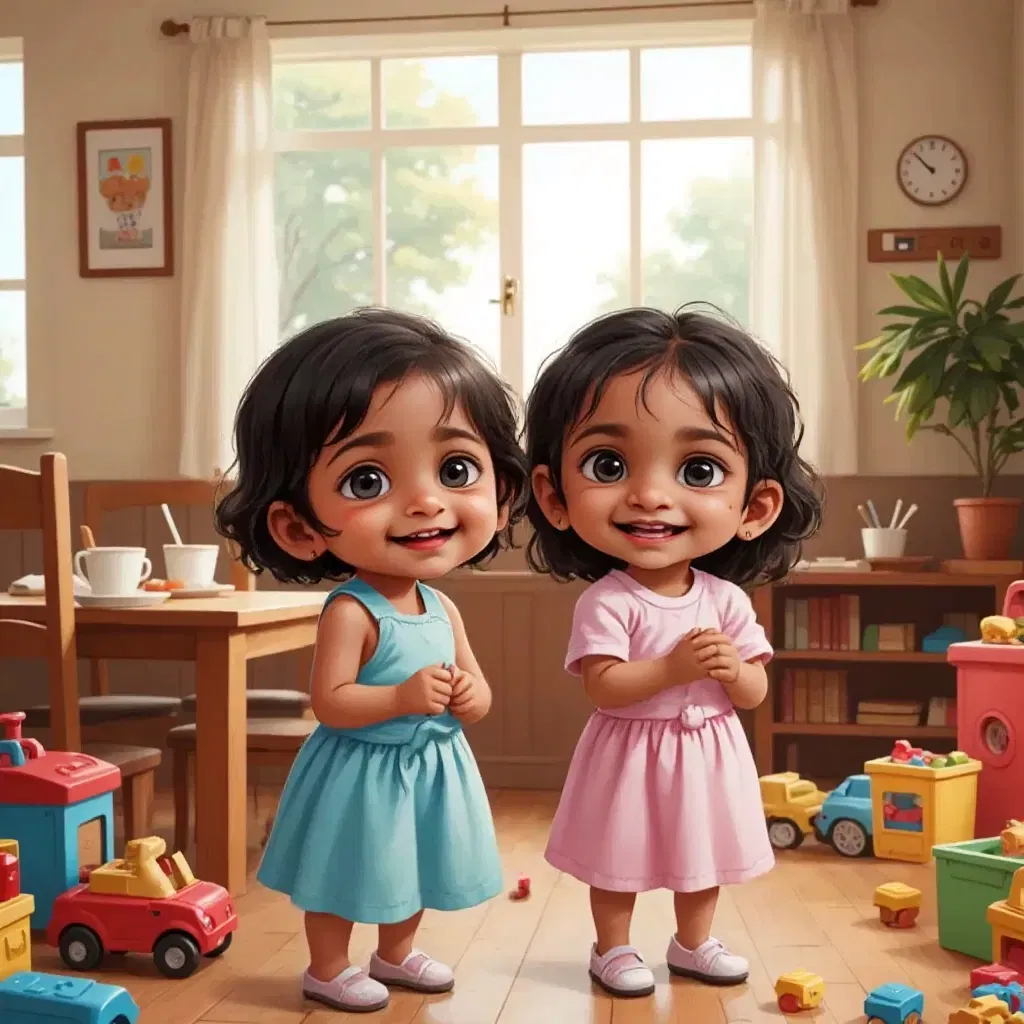
1. 2 FRATERNAL TWIN GIRLS 6. GRAND FATHER BRING TOYS 7. ONE TOY IS AN ELEPHANT 8. OTHER TOY IS A CAT 9. GRAND FATHER GIVES ONE TOY TO EACH TWIN. ARYA GETS THE ELEPHANT. AABHA GETS THE CAT. 10. BOTH PLAY WITH THEIR OWN TOYS FOR SOMETIME. 11. LATER THEY EXCHANGE THEIR TOYS WITH EACH OTHER AND THANK EACH OTHER FOR SHARING THE TOYS 12. BOTH TWIN HUG EACH OTHER IN THE END
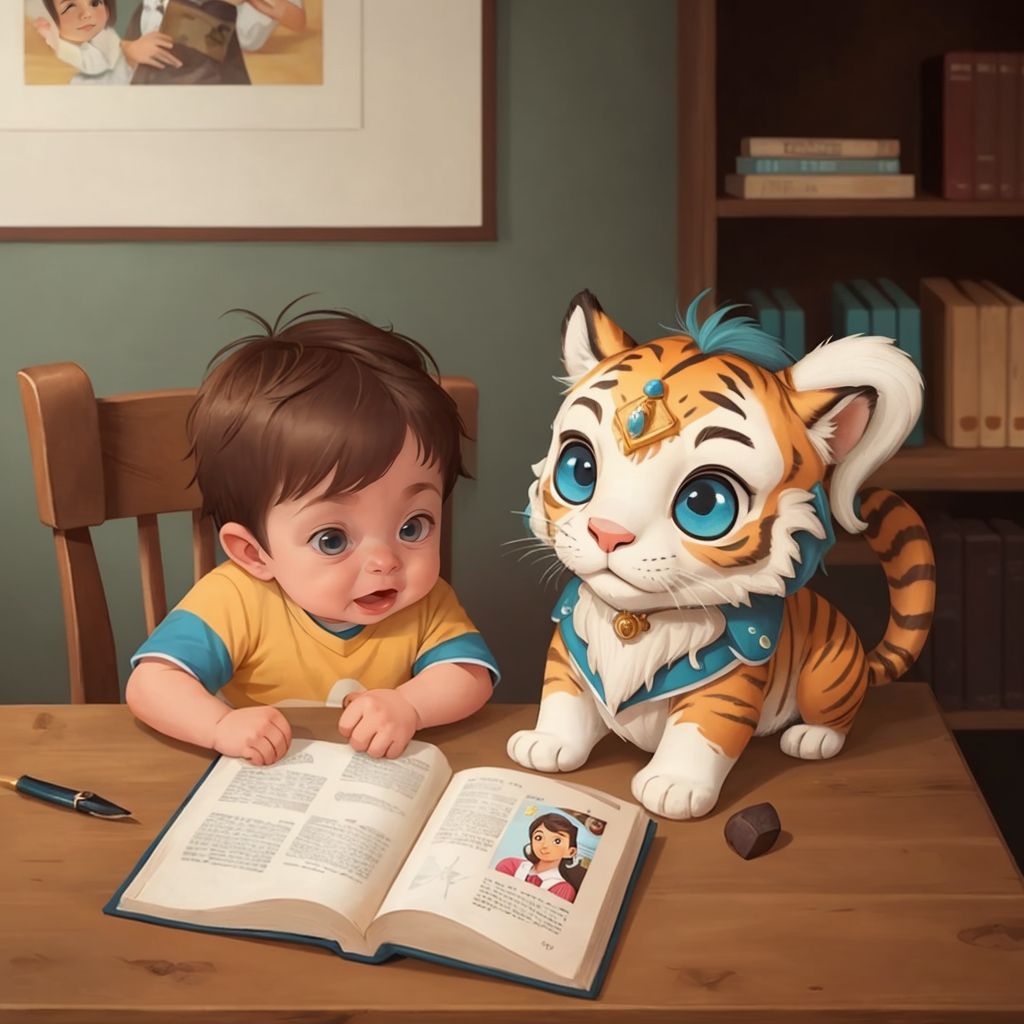
1. John Jr and Durga was studying the Armor of God and his helmet of salvation. They wasn't sure of what the helmet of salvation was and looked for more information. 2. John Jr discovered that piece of armor protects your head from danger and keeps your mind intact. It helps you avoid sinful thoughts and understand what is good and true. 3.. John Jr added that The helmet of salvation protects something even more precious: our soul. God sent Jesus to die for us so he could give us salvation. If you are wearing the helmet of salvation, the enemy can't touch you. 4. Durga shared the Bible verse Thessalonians 5:8 with John Jr and told him it tells us to put on faith and love as a breastplate, and to wear the hope of salvation as a helmet. 5. John Jr and Durga learned the ABCs of salvation. A – ADMIT you are a sinner. B - BELIEVE Jesus died and rose again to pay for your sins. C - CONFESS Jesus is Lord of your life. Putting your total trust in Jesus as your only hope of salvation.

Um dia de chuva pode ser muito divertido no jardim

deux frères Nathan (le grand frère) et Gabin (le petit frère) gagnent à deux le tournoi de tennis de Rolland Garros en double grace à l'aide de leur Papa Anthony la Sardine
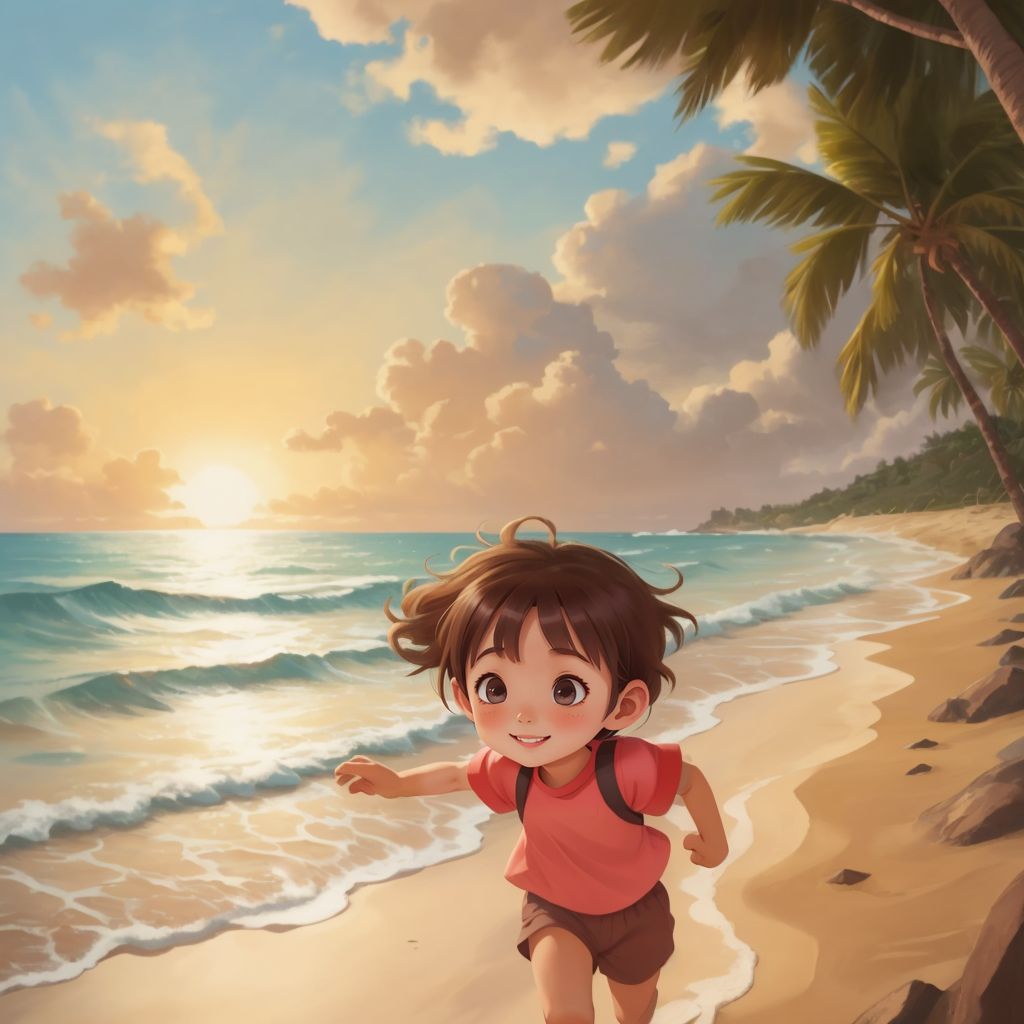
1. daisy is exploring the beach behind her grandmas beachhouse 2. daisy is in shock as there is an abondance of garbage in the beach 3. surrounding the garbage was a bunch of sick crabs that got a fever due to the hot water 4. daisy asks whats wrong and rufus says all this trash on the beach caused the crabs to be sick 5. daisy then helps clean the beach with the help of rufus the crab 7. with the trash she made a recycling center for people to throw trash properly 8. all the crabs are healthy and give daisy seashells