
 Start Read
 Recommend
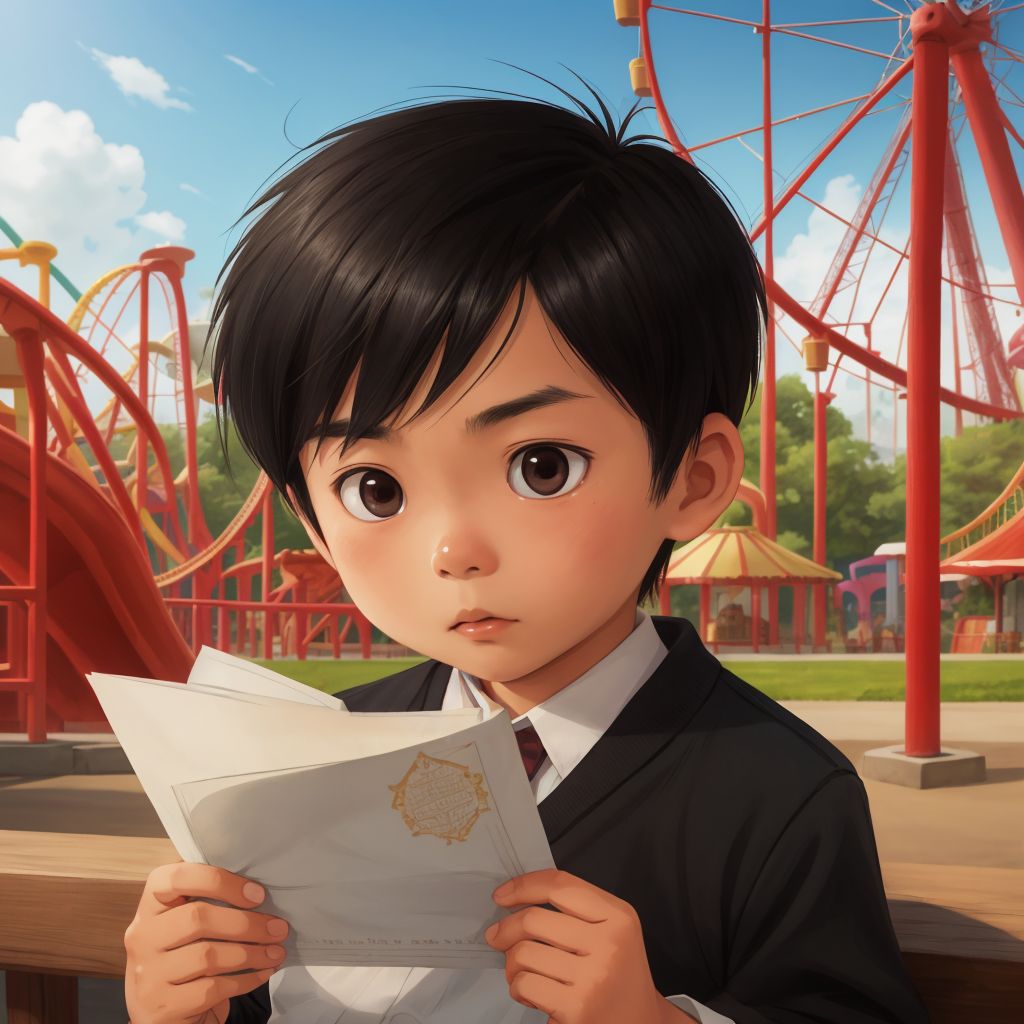
Leo's Roller Coaster Adventure: Conquering Fear with Friends" is a heartwarming children's book that follows the journey of a young boy named Leo as he faces his fear of roller coasters. Filled with colorful illustrations and engaging storytelling, this book takes readers on a thrilling ride alongside Leo and his friends, Mia and Sam, as they embark on an unforgettable adventure at the amusement park. Through Leo's courage and determination, children will learn valuable lessons about overcoming fears, the power of friendship, and discovering the joy of trying new things. With its uplifting message and relatable characters, "Leo's Roller Coaster Adventure" is sure to inspire young readers to embrace challenges and chase their dreams with confidence.
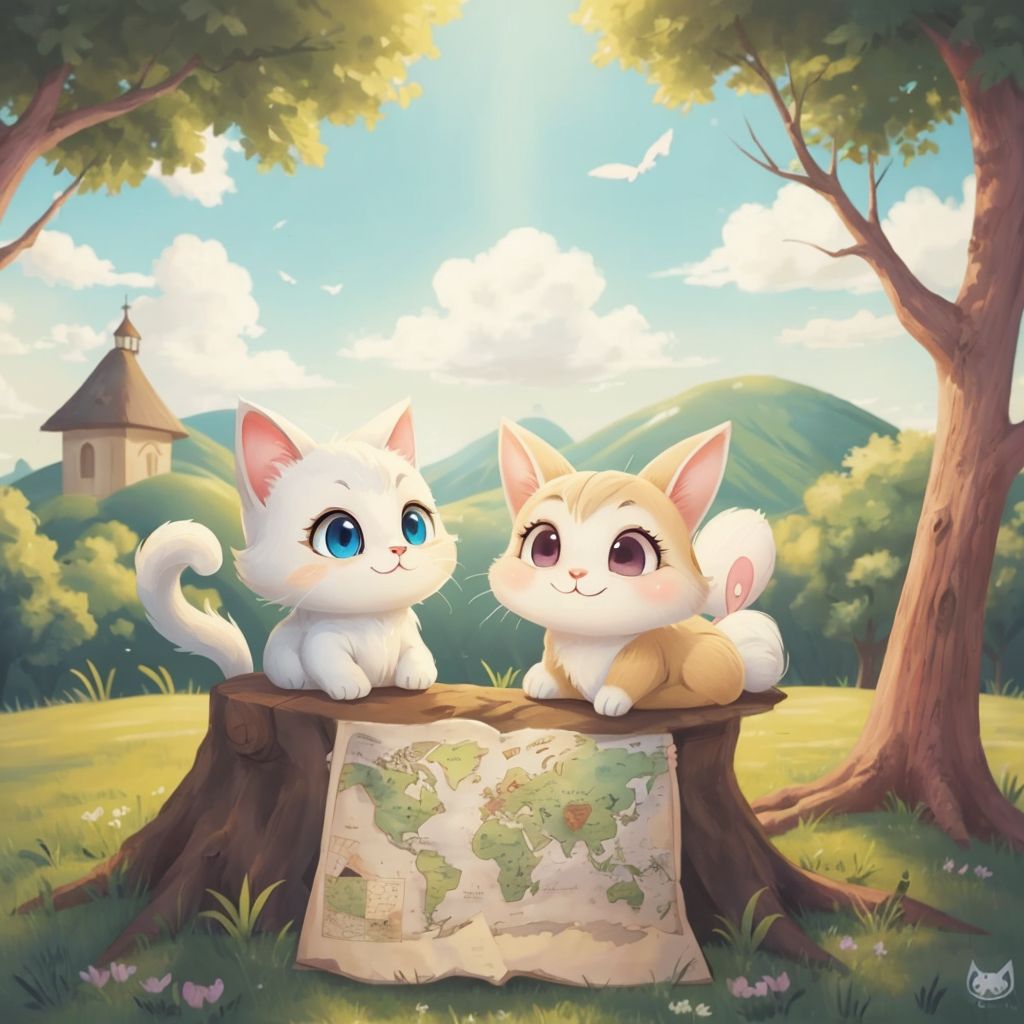
In a small, quiet village surrounded by green hills, lived Luna, a little cat with shiny blue eyes and a playful tail. She loved going on adventures with her best friend Milo, a smart and cheerful rabbit.
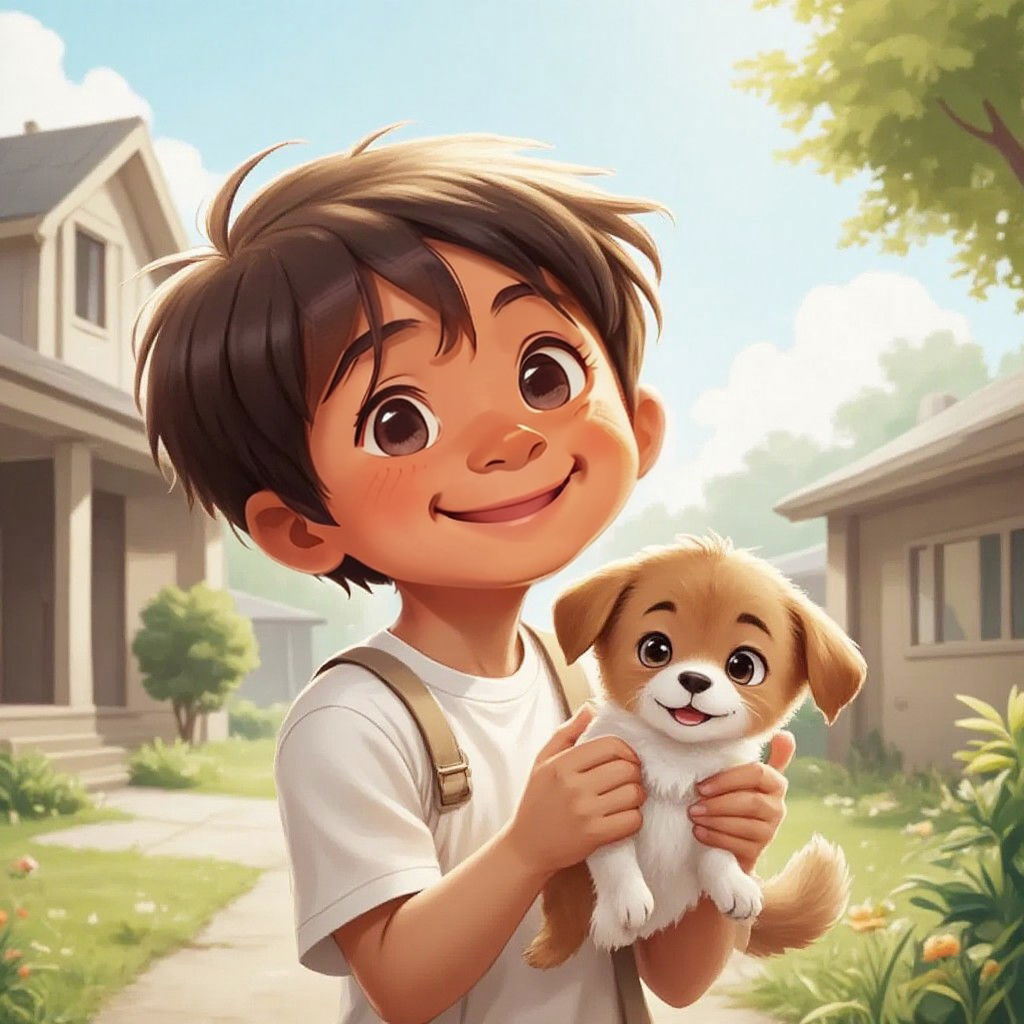
"Si Lito at ang Araw ng Pagtulong" is a heartwarming story that follows the journey of a young boy named Lito. Lito, with his kind heart and determination, decides to dedicate an entire day to helping those in his community. Throughout his day, Lito encounters various people in need—a lost puppy, an elderly neighbor with heavy groceries, and a schoolmate struggling with homework. With each act of kindness, Lito not only helps others but also learns valuable lessons about empathy, generosity, and the joy of giving. The story beautifully illustrates the impact one person can make through small, thoughtful actions, and it encourages readers to embrace the spirit of helping and caring for others in their everyday lives.
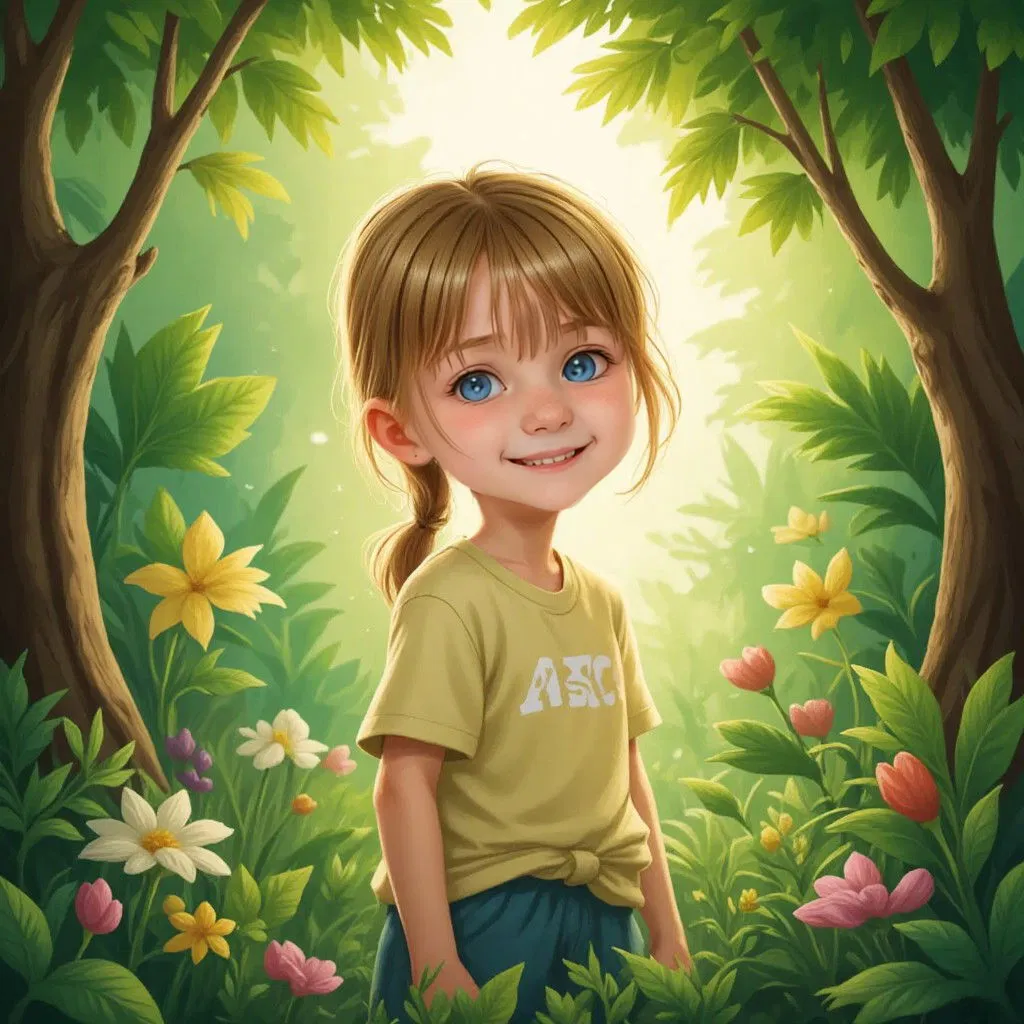
A young girl goes on an adventure to learn about patterns in her jungle environment, she comes across lots of different animals and explores their patterns as she goes along. focus on being descriptive on what patterns she sees, and what makes it a pattern.
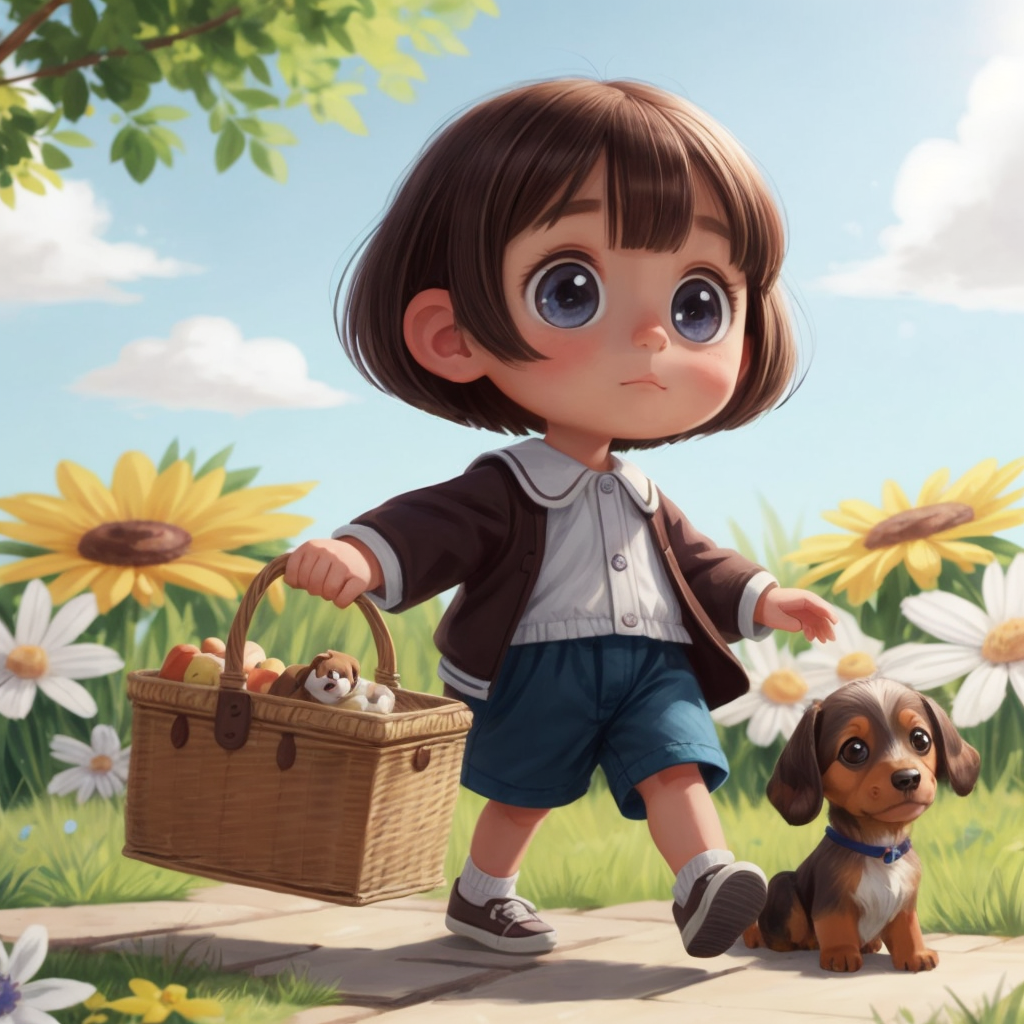
In a charming town, 2-year-old Penny and her Black and Tan sausage dog, Merlin, embarked on a joyous picnic adventure. The sunlit park welcomed them, and Merlin eagerly awaited his share of treats. After a delightful picnic, they explored the park's winding paths, chasing butterflies and reveling in laughter. A chance encounter with a pond captivated Penny, and Merlin, full of zest, playfully splashed in the water, sparking gleeful squeals. As the sun dipped low, they headed home, hearts brimming with love and memories, forging a friendship that would be cherished for a lifetime in their quaint town
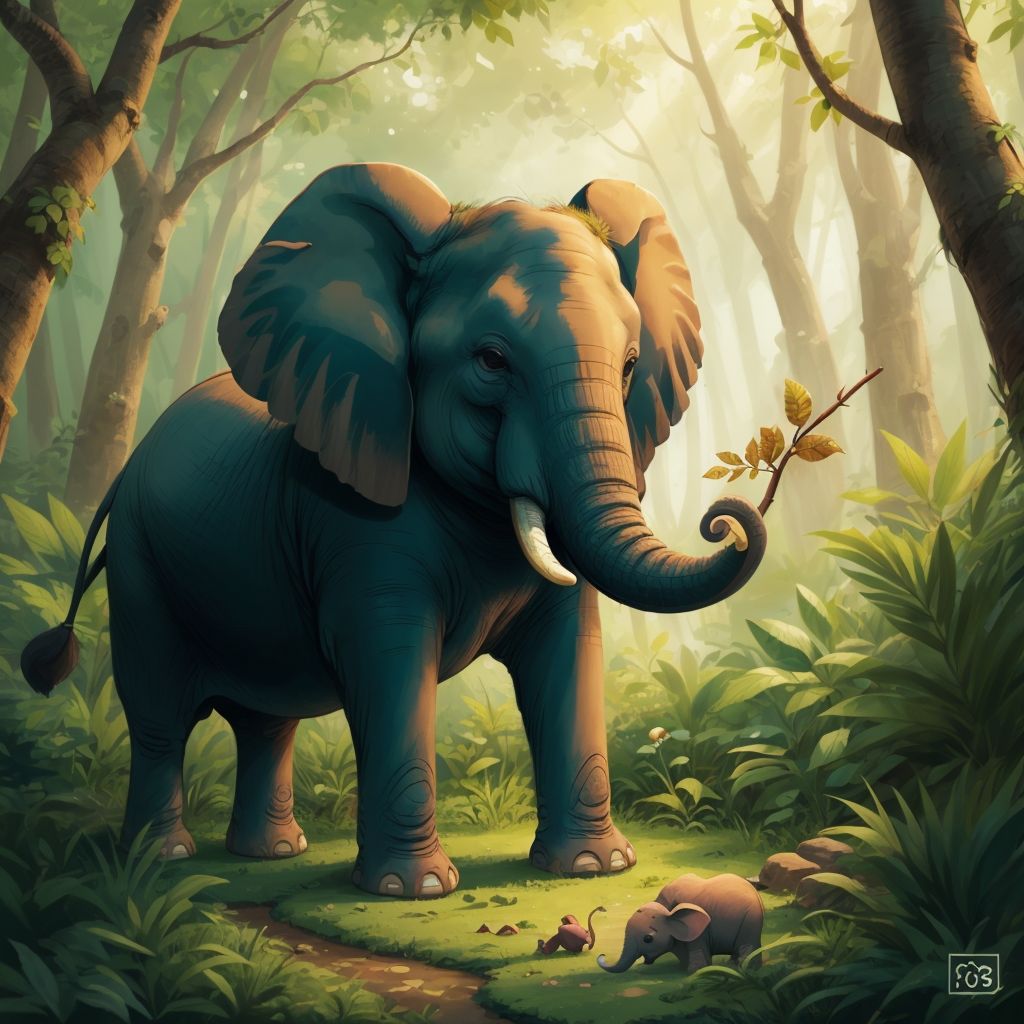
Chapter 1: The Lost Bird Nest - Ellie and friends help a pair of birds rebuild their nest after a storm, learning about the importance of trees in providing shelter. Chapter 2: The Dried River Mystery - The friends investigate why their river is drying up, leading to a lesson about water conservation and avoiding waste. Chapter 3: The Trash Trail - Ellie leads the group on a chase that ends in a littered clearing, sparking a cleanup and a pledge to keep their home clean. Chapter 4: The Midnight Chorus - A night-time adventure to discover who sings beautifully at night teaches the friends about nocturnal animals and the importance of darkness for the ecosystem. Chapter 5: The Great Green Festival - The animal friends organize a festival to celebrate nature, showcasing everything they've learned and spreading awareness to other forest inhabitants.
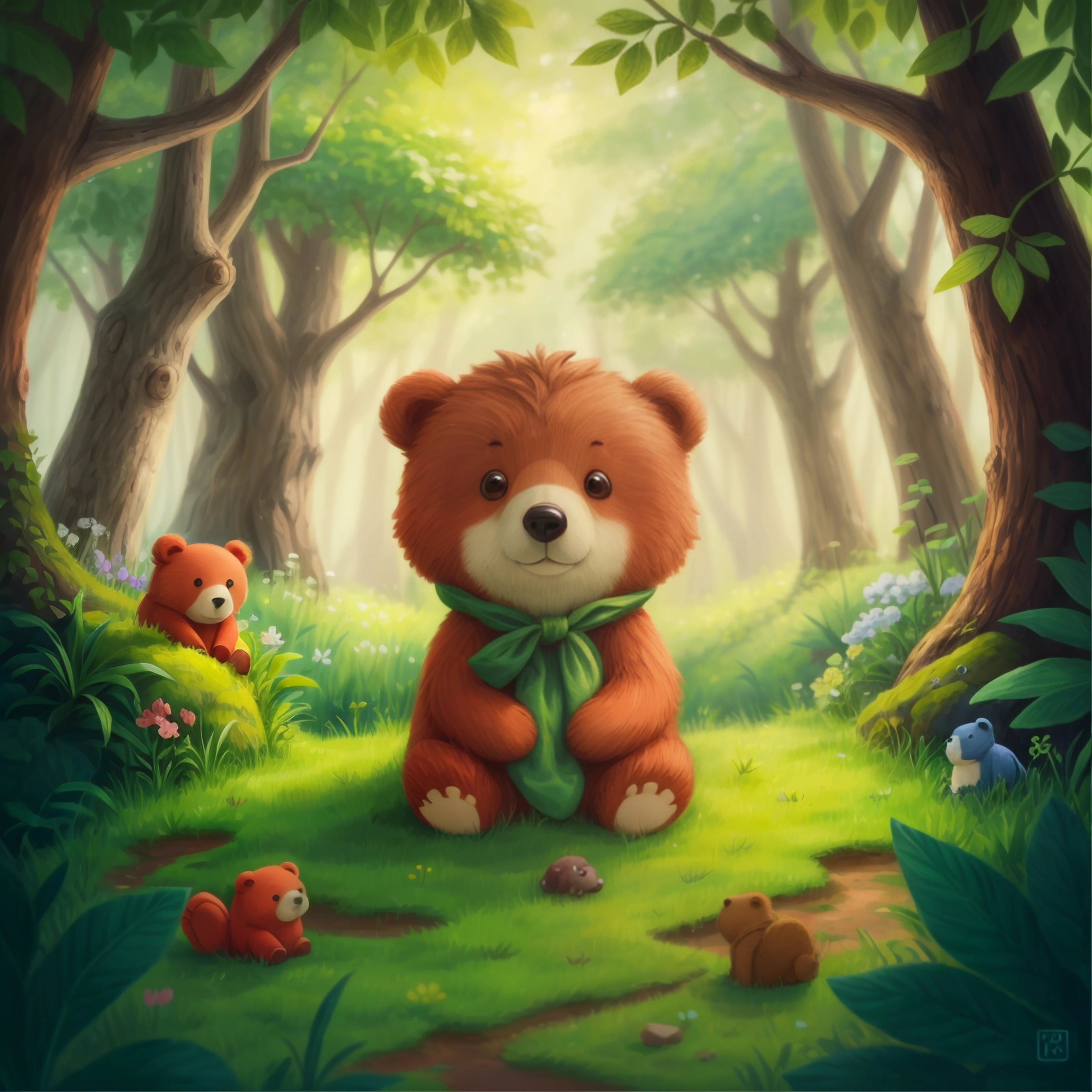
A beautiful but sad little bear called cinnamon goes on an adventure to find her imaginary friend who’s lost in an enchanted forest. Cinnamon has a big heart and a lot of love to give. But she doesn’t have any real friends. Her only friend is her imaginary best friend, Miss Ribbon. Miss Ribbon is a playful puppy who wears little pink ribbons on her ears. Cinnamon loves her friend. Miss Ribbons makes her smile and sometimes laugh. They play hide and seek together and have tea parties. But Cinnamon has not seen Miss Ribbons in a few days. She’s worried her friend might be lost and scared. Cinnamon had a dream that Miss Ribbons was lost in the Misty enchanted forest.

As Mom zipped up the back, Janice looked at her reflection in the mirror. Everything was perfect except for how her hair looked. It still looked like a boy's. Mom sensed Janice's concern and led her into the master bedroom. She had Janice sit at her vanity, facing away from the mirror. Mom then applied a little foundation and powder to Janice's face and some pink lipstick to Janice's lips, saying that a girl of twelve doesn't need to use much makeup. She then went to her closet and removed a box. When she opened it, Janice saw that it contained a nicely styled wig. Additionally, the color matched her hair exactly. They told her how nice she looked as Janice smiled broadly. The girls spent the rest of the evening in he family room, welcoming their new sister and showing her how to do things like a girl. Janice changed into a pink waltz-length nightgown. Megan showed her how to remove her makeup and properly cleanse her face. Mom insisted that they needed to get some sleep and that they had the entire week to get know with their new sister. For Janice, sleep came easily, despite her excitement and newfound identity. She dreamed of being Mom's Christmas elf and wearing a green satin dress just like her sisters. She awoke the next morning happy and eager to face the day. The week went by quickly for the girls. Megan was Janice's primary teacher during the week but Lindsay and Kerry also helped. Janice was enjoying new persona, her sisters were enjoying having her with them. Before anyone realized it, it was Christmas Eve. Mom laid out Kerrie's and Lindsay's dresses, shoes, stockings and underwear for the next morning. Megan laid out her things without Mom's help. She and Mom came into Janice's room, Janice watched as Mom hung a lovely green satin dress trim with white fur on the door. Megan lay out a satin training bra, satin panties, garter belt, white stockings, white heels. She smiled at Janice saying both of them would be wearing their first pair of heels tomorrow.
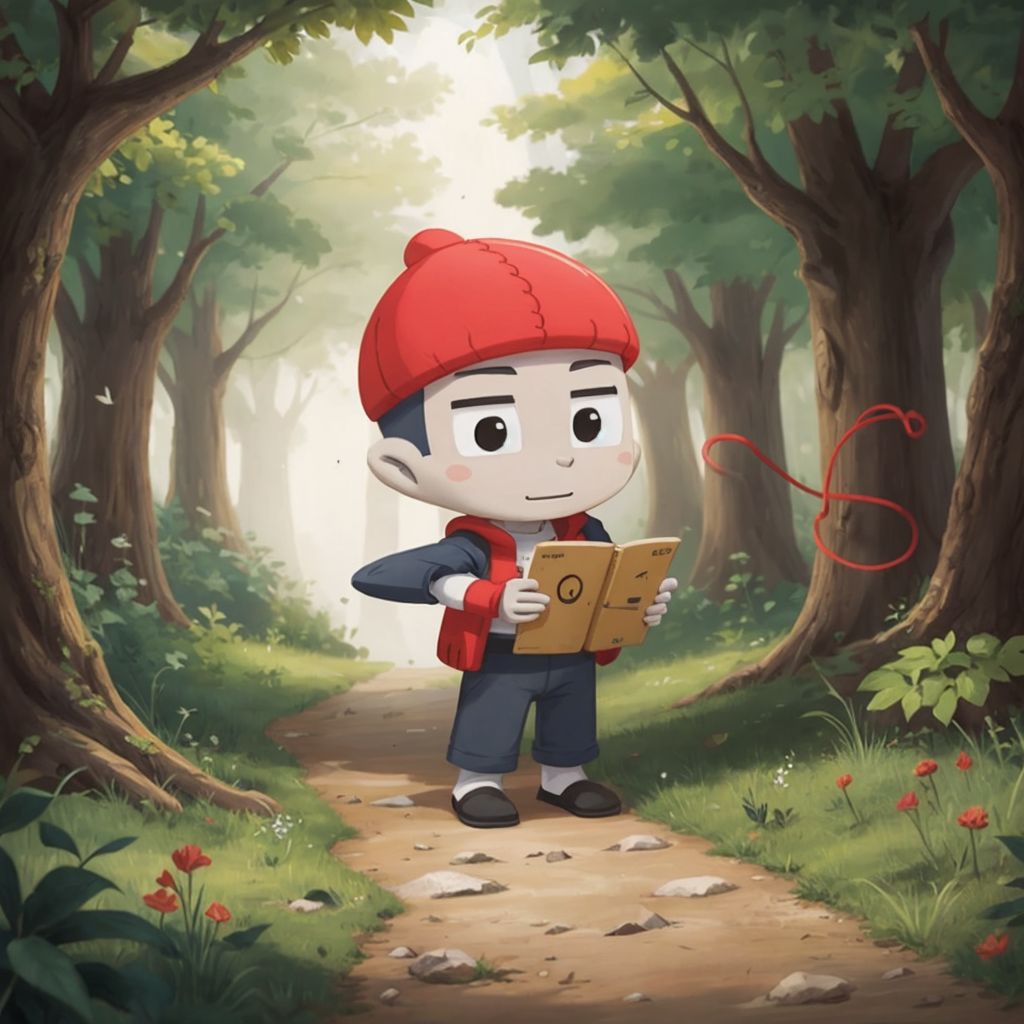
Danny was an 11-year-old boy who loved solving puzzles and exploring. One afternoon, while walking home from school, he noticed a folded paper tied with a red string lying on the sidewalk. Curious, he picked it up and found an old map with a note: "If you’re brave, your journey begins at the big oak tree." Excited, Danny followed the map to the oak tree in the park. Beneath its roots, he found a small box. Inside was a strange key and another note: "This key opens a door to something extraordinary. Look for the door at the old bridge." Without hesitation, Danny grabbed his bike and raced to the old bridge. There, hidden behind a pile of rocks, was a rusty door. Using the key, he unlocked it and stepped into a glowing underground tunnel. The walls were lined with riddles and glowing symbols. Danny solved each one, feeling like a real adventurer. Finally, he reached a large room with a chest in the center, faintly glowing. As he approached the chest, a voice from behind startled him. Turning, he saw an old man with a mischievous grin. – "You’ve done well to get this far, Danny," the man said. "But the real test is about to begin." Danny’s heart raced. What was in the chest? And what did the old man mean by a "real test"?
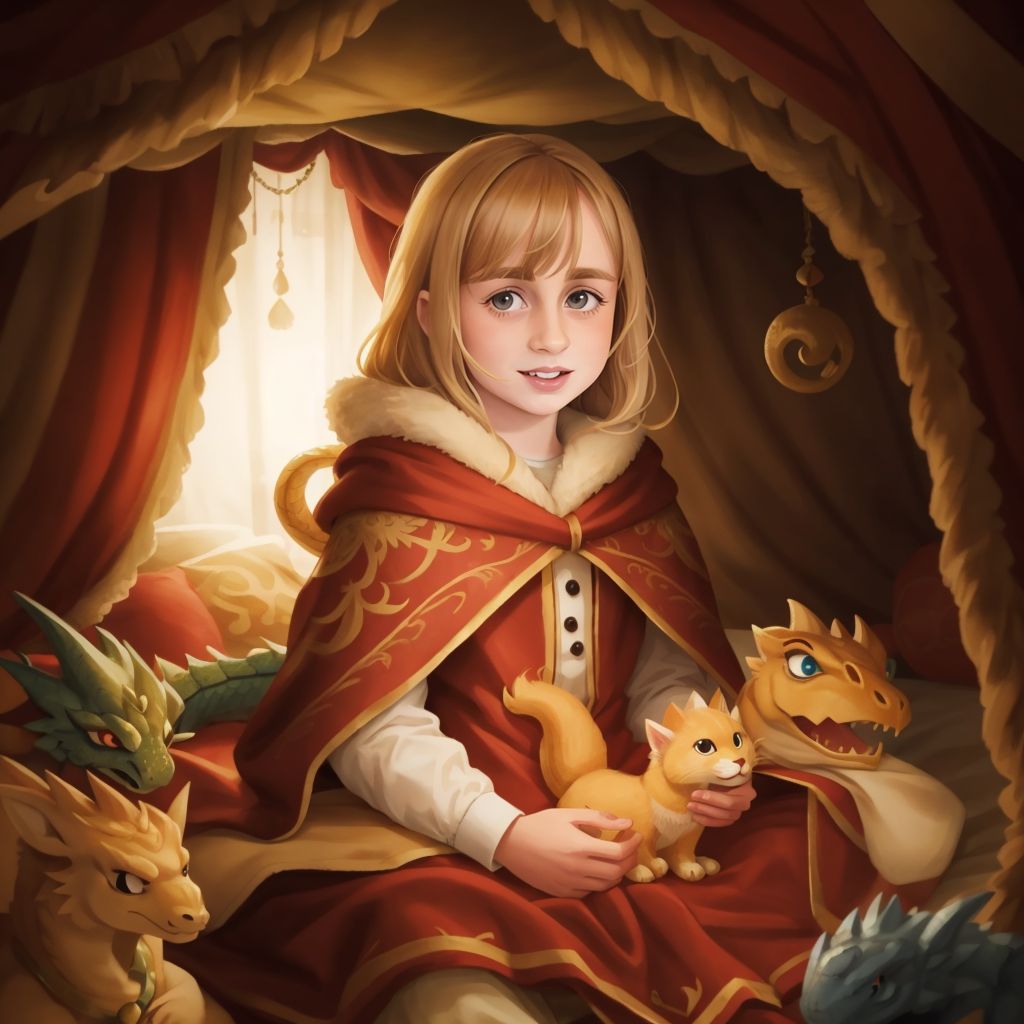
Sofi es una niña muy graciosa, dulce e ingeniosa. Tiene muchas amigas, le encanta bailar, dibujar y armar chozas con mantas y sillas. A Sofi le encanta viajar. Tiene un mapamundi en la pared de su cuarto y siempre está lista para armar las valijas para un próximo viaje. Le encanta elegir qué ropa y cuáles juguetes llevar. Un día estaba jugando con Antonio dentro de una choza de mantas y su dragón de juguete cobró vida. Los dos se quedaron impresionados. El dragón podía hablar! Era un dragón mágico, que les concedía un deseo. Sofi pidió un viaje con Antonio. Cuando tuvo que elegir el destino gritó feliz: a Grecia! Lo había leído en un libro hacía poco y quería conocer. Antonio estaba muy emocionado con la idea también. Armaron las valijas, sacaron un pasaje y se fueron a Grecia. Desde allá mandaron una postal con su foto a Buenos Aires, contando lo bien que lo estaban pasando. FIN
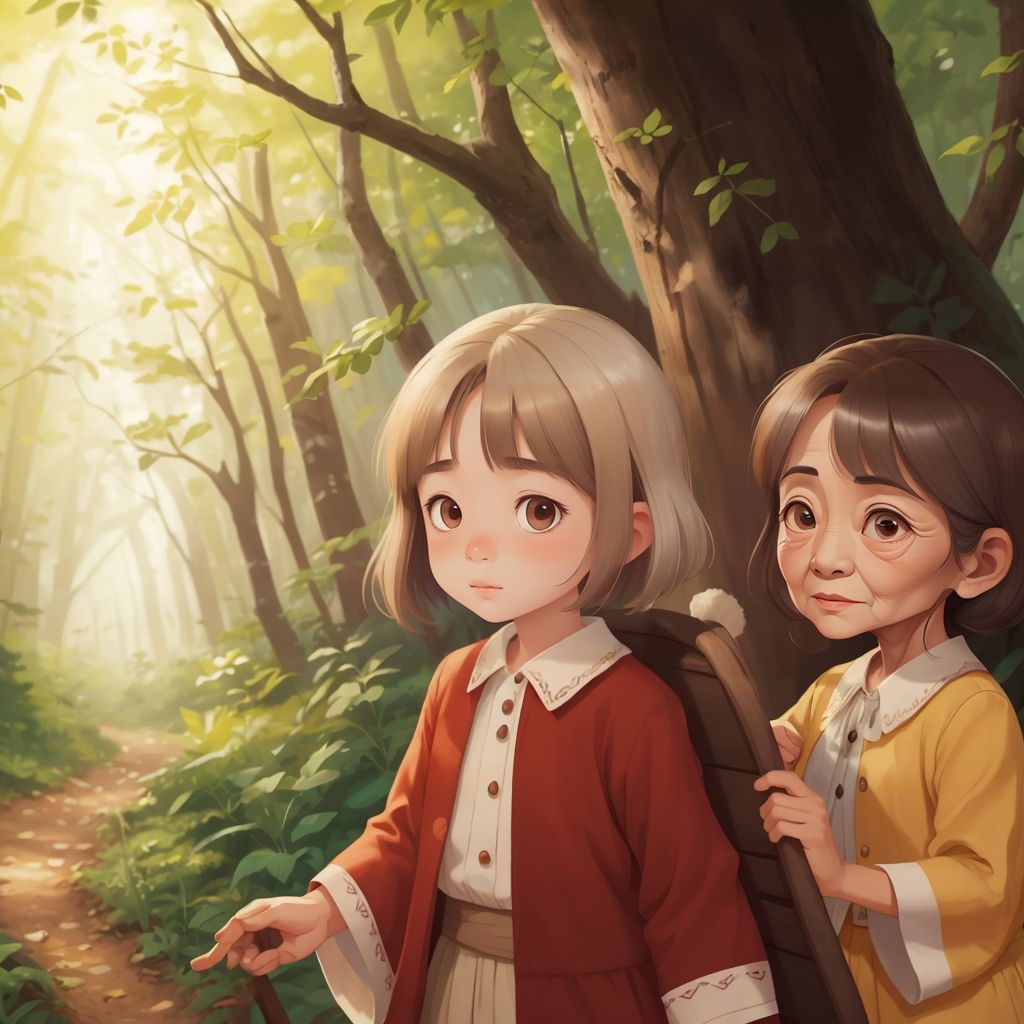
The story follows a young girl named Isabel who feels different from others in her village and wishes she could change herself. One day, she meets a wise woman who gives her a magic mirror, instructing her to speak kindly to her reflection. Over time, Isabel begins to see the beauty in her uniqueness and learns to love herself as she is. Eventually, she no longer needs the mirror to feel confident. Isabel realizes that true magic comes from self-acceptance, and she embraces her worth, finding happiness within herself.
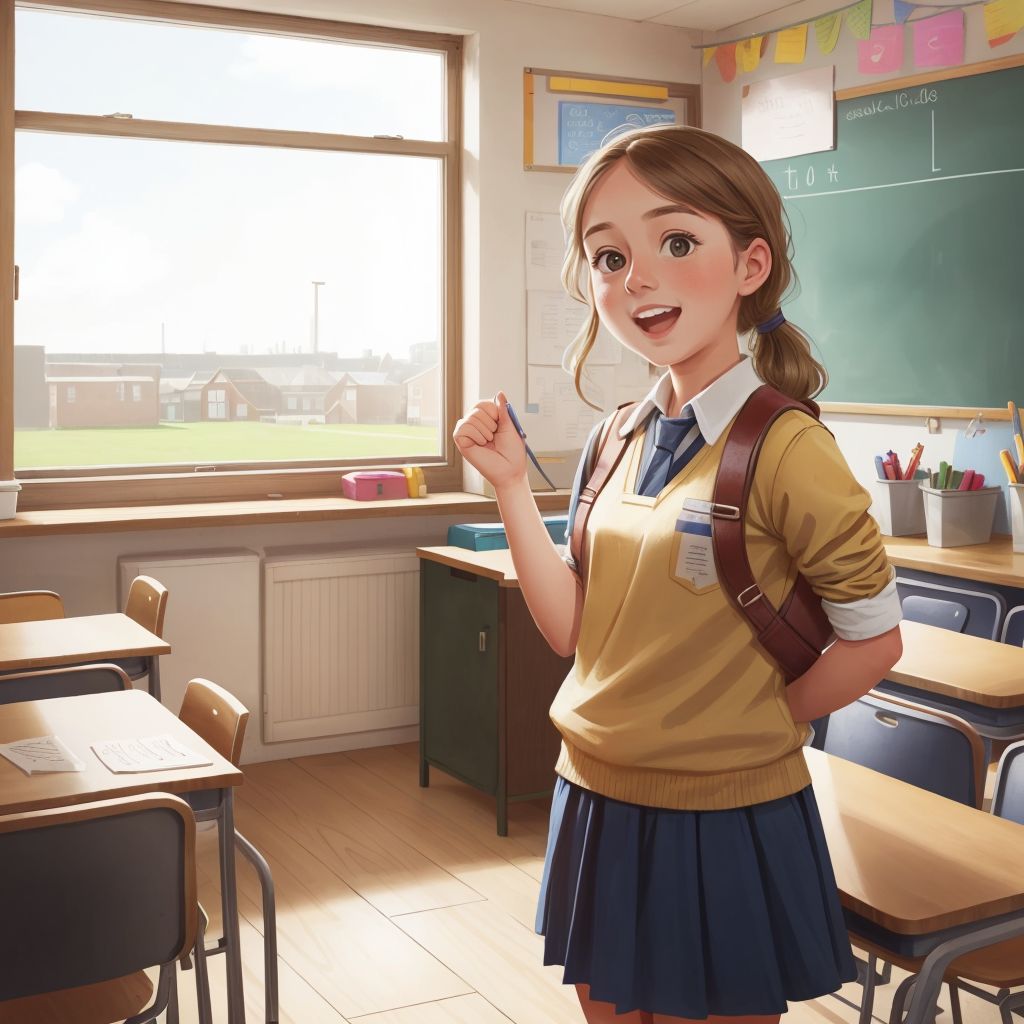
Clarie and Shay are excited about the Hackney Adventure Fun Day happening in the London Borough of Hackney on 31st October where all the children and young people gather together and explore the neighbourhood with safe meters in place put in by the adults and Hackney Council
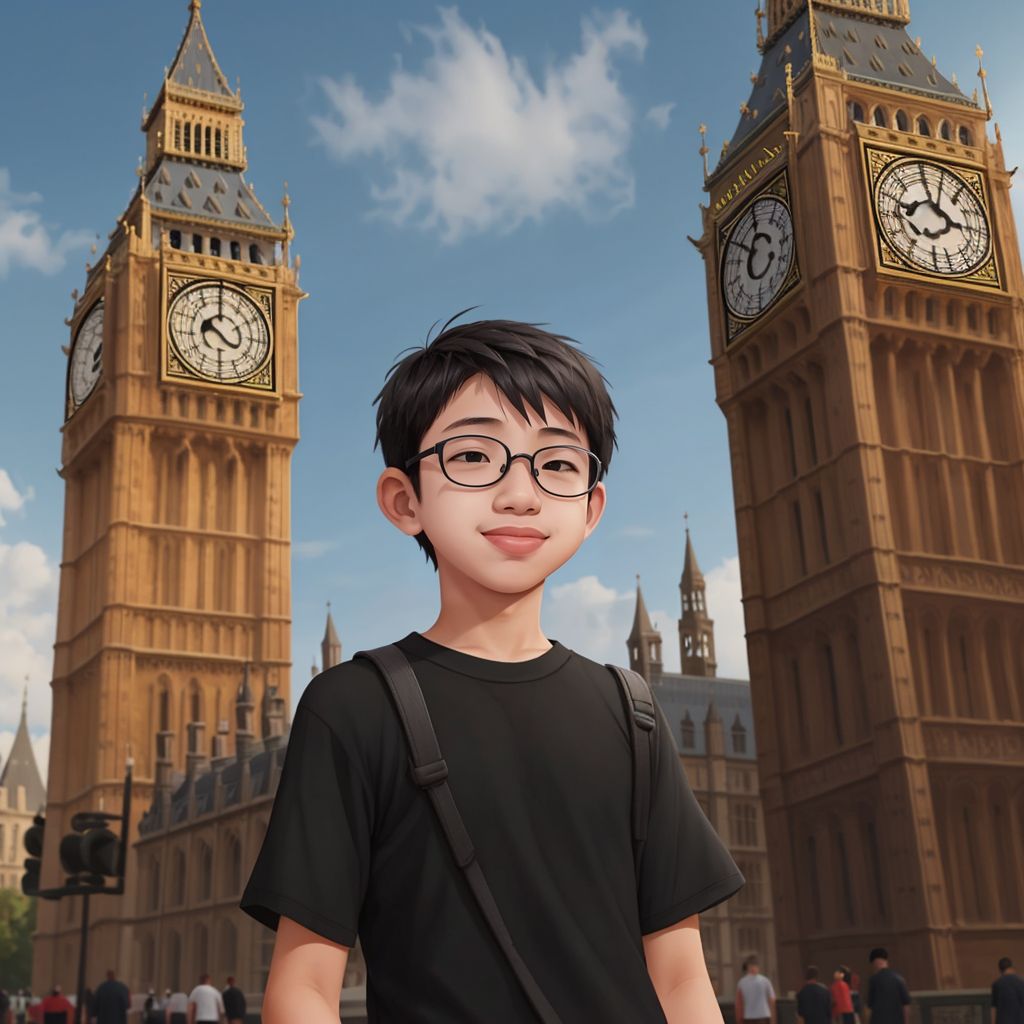
Hugo travels to london and spends 2 weeks there visiting all the sights such as Harry Potter world
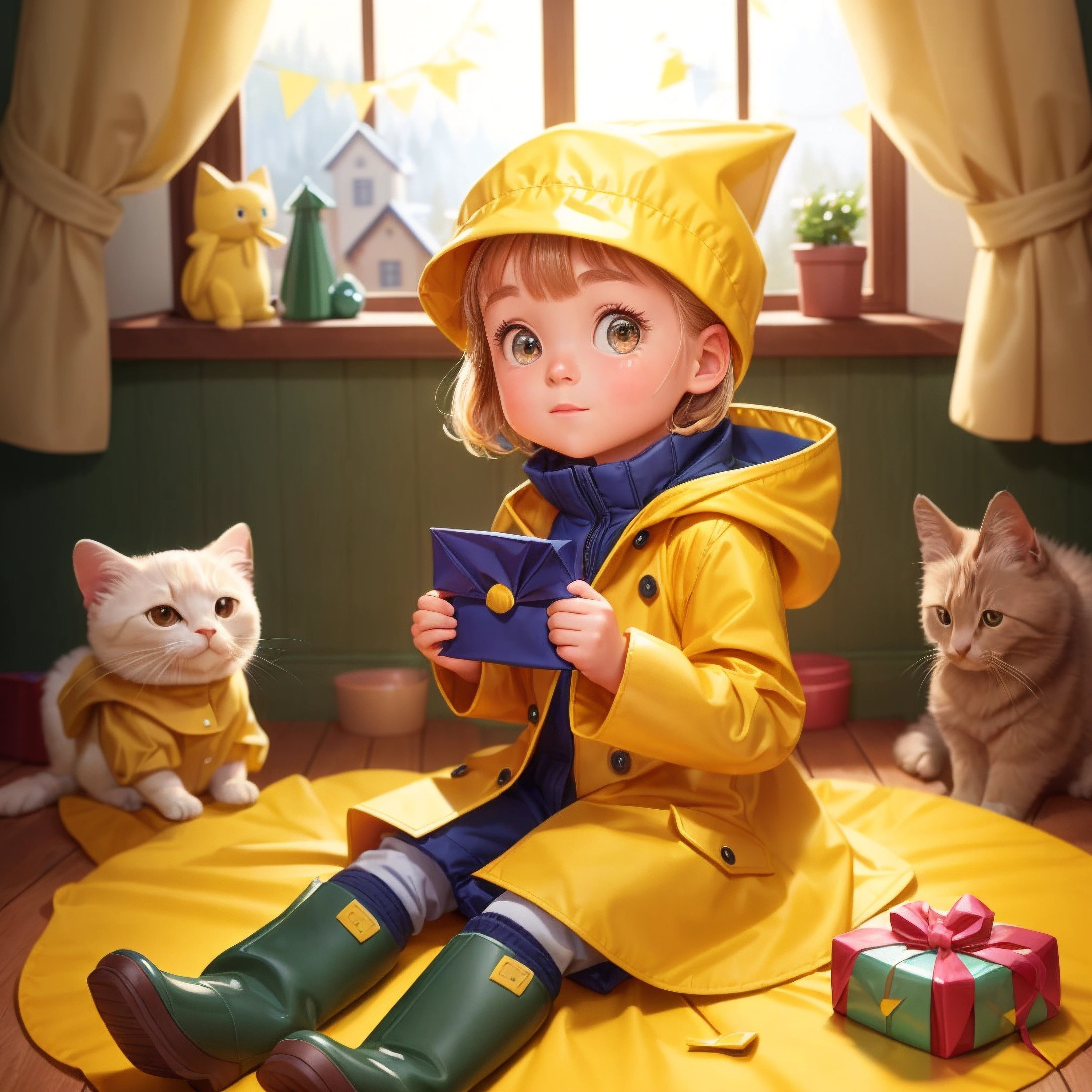
Tilly receives a parcel in the mail from her Nanny. In it is a yellow raincoat, Yellow Gumboots and Yellow Sou-Wester Hat. She puts them on and goes outside and visits the farm animals telling them she wants to splash in puddles in her yellow gumboots.
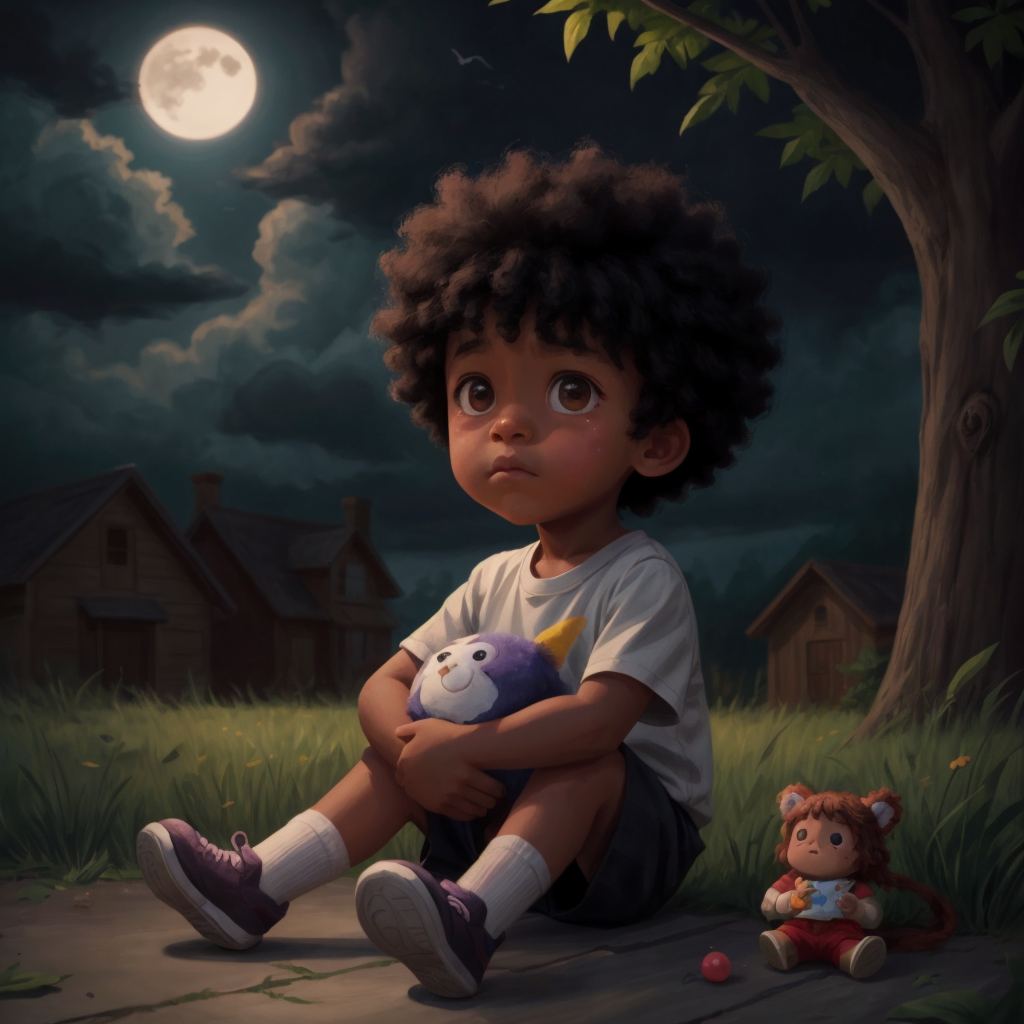
Whispers of a Cardinal: A Tale of Healing Hearts" unfolds in a land of joy, where 8 year old Ray's carefree world is shattered when a loved one departs. Grief casts a heavy shadow, but a crimson-winged cardinal appears, offering solace. Through whispered wisdom, the cardinal assures Ray that love endures in memories, laughter, and tears. Hand in hand, they navigate the meadow, dancing with sweet memories and embracing the cardinal's teachings of hope. In this triumphant tale, grief departs, and hope restarts, illustrating the transformative power of love and the enduring spirit of the heart's dance. "Feathered Lullaby" is a timeless reminder that, in life's dance, love persists—in the whispers of a cardinal's swirl.

a dad
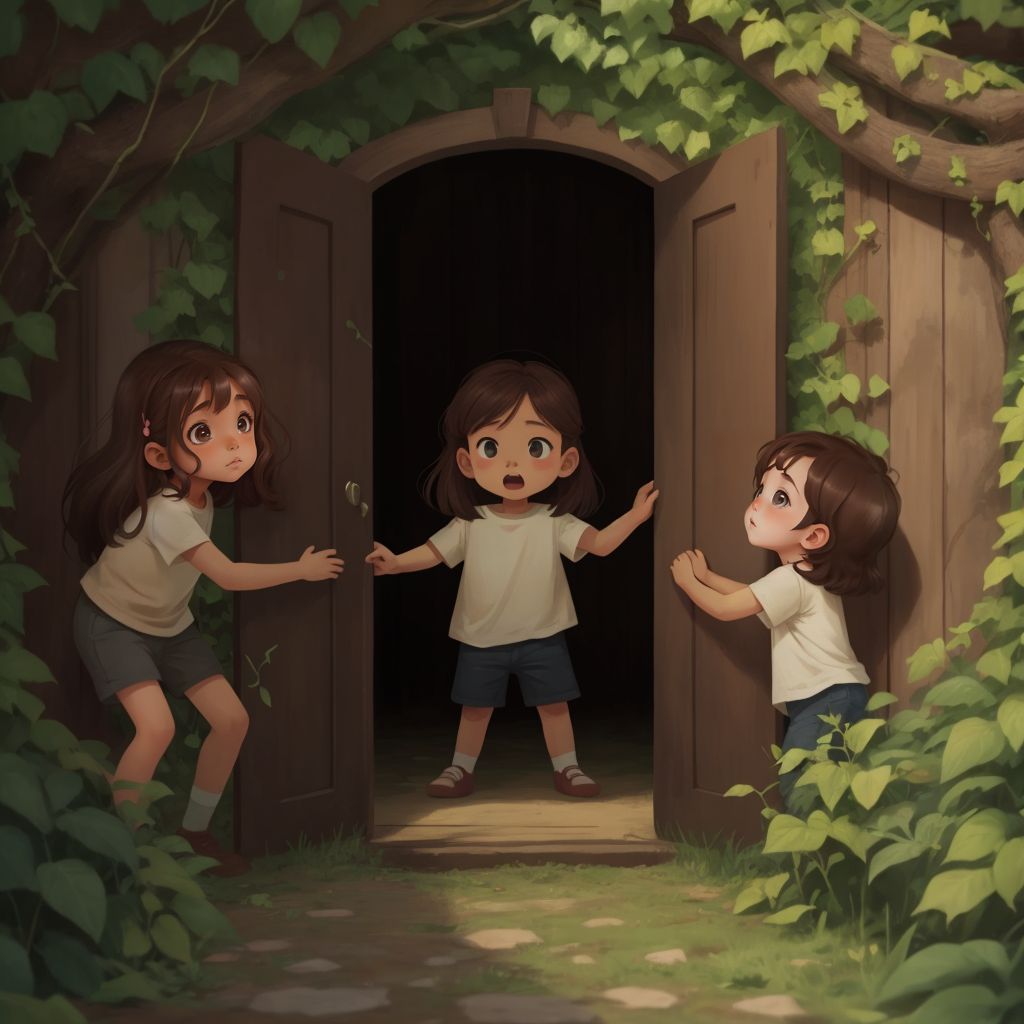
Adventures in the secret garden
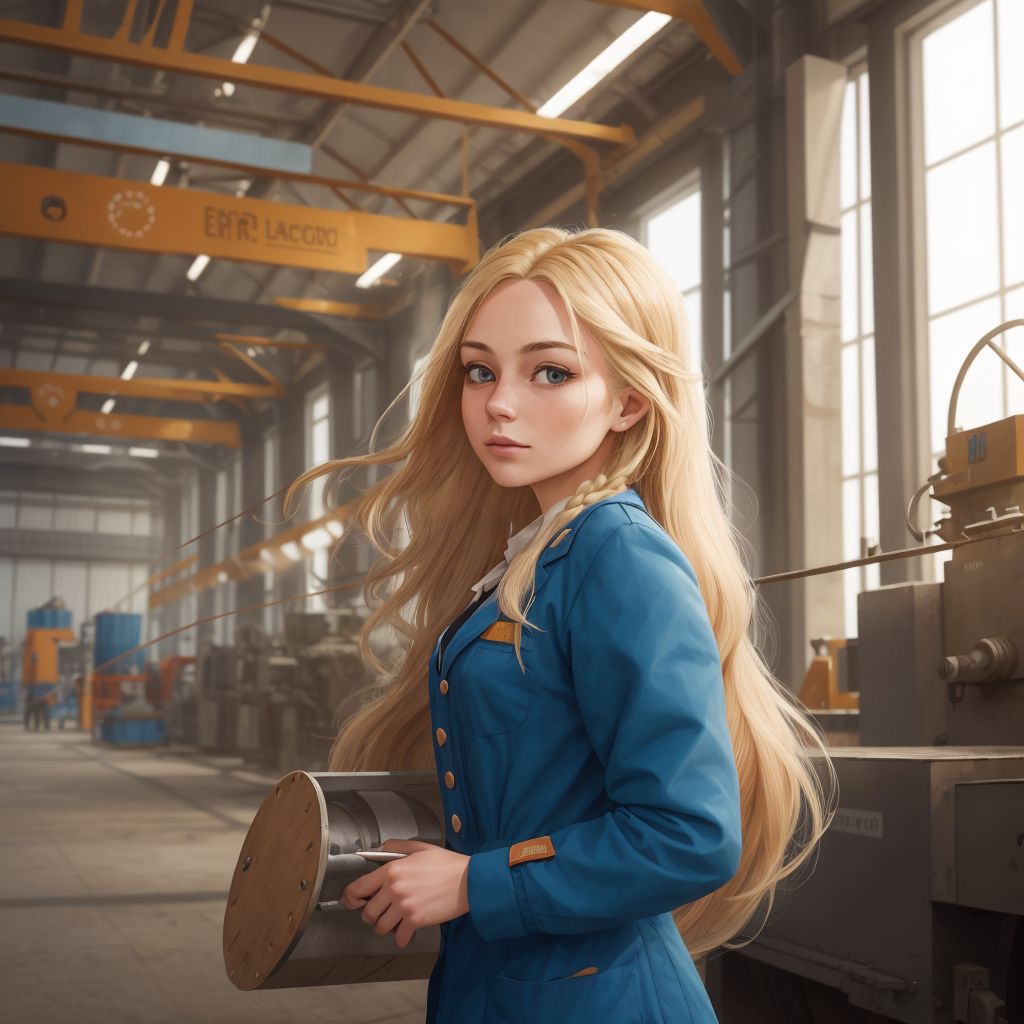
1. A day in the factory a christian woman was not near God but living in sin and doing what others were doing, and not what God wanted her to do with her life. 2. at the factory Heavy metal hits the christian woman in the head 3. christian woman rushed to hospital after head injury to find out she was going blind 4. released from hospital as a blind woman to realise her world is about to change 5. woman tries to go about her life as a blind woman 6. the woman has trouble raising her kids so her parents help her out 7. because the woman was a christian she continued to worship God and Jesus and then was surprised by God by a healing for being faithful to him. 8. the christian woman receives her healing regaining her full sight back of 20/20 9. in the midst of all of the pain and suffering the Christian woman learned to lean on God.
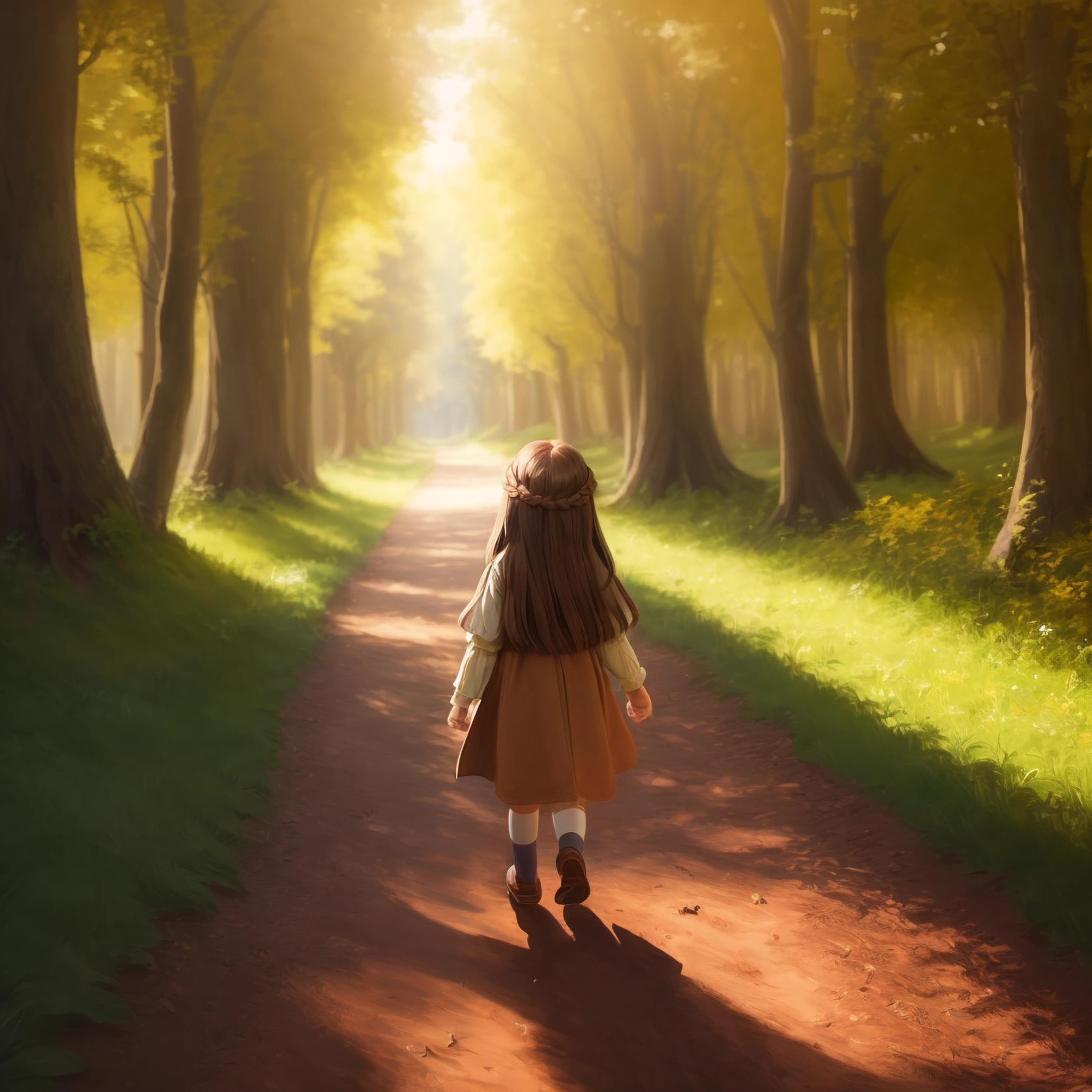
Sophia sets out on a journey to find wisdom from God She encounters many distractions on the way She encounters many people telling her false wisdom In the end she finds the wisdom from God
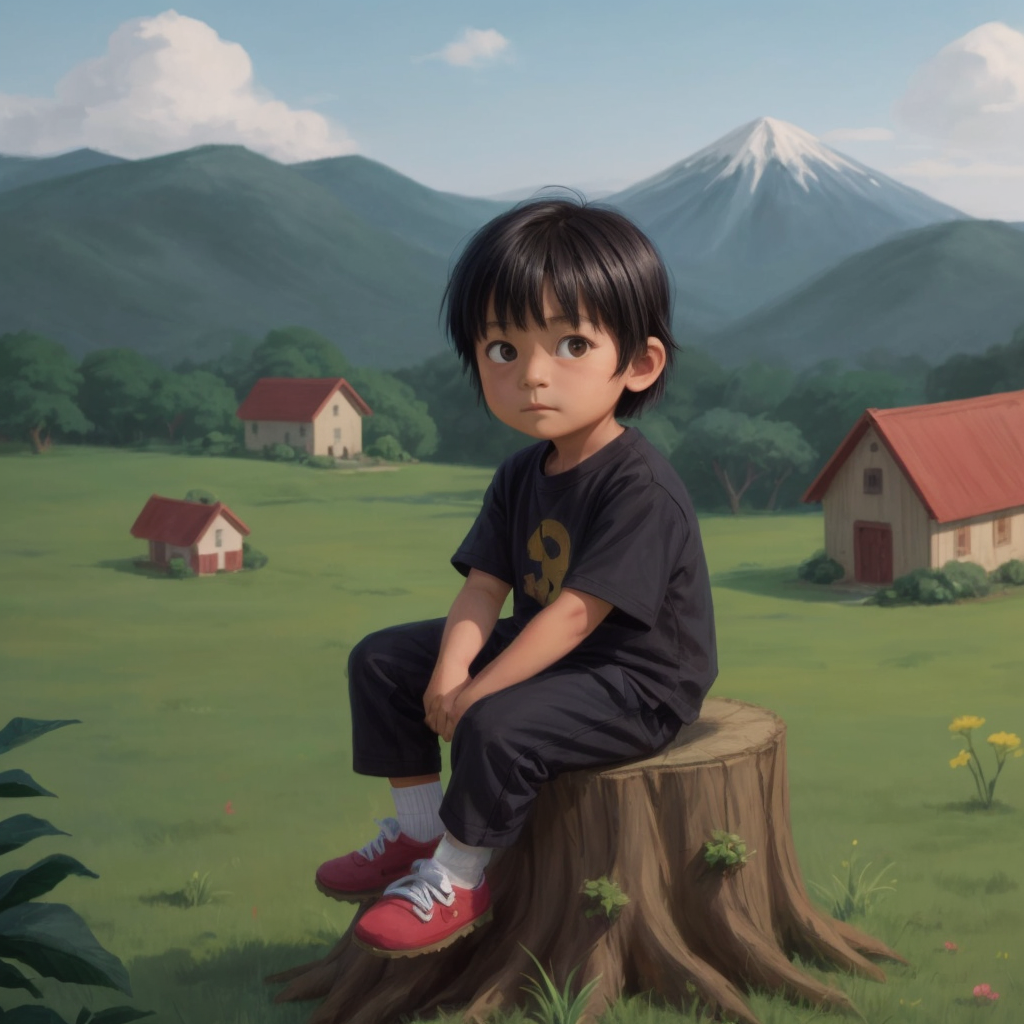
The Filipino boy is very lazy and he ends up getting eaten by a chicken