
 Start Read
 Recommend
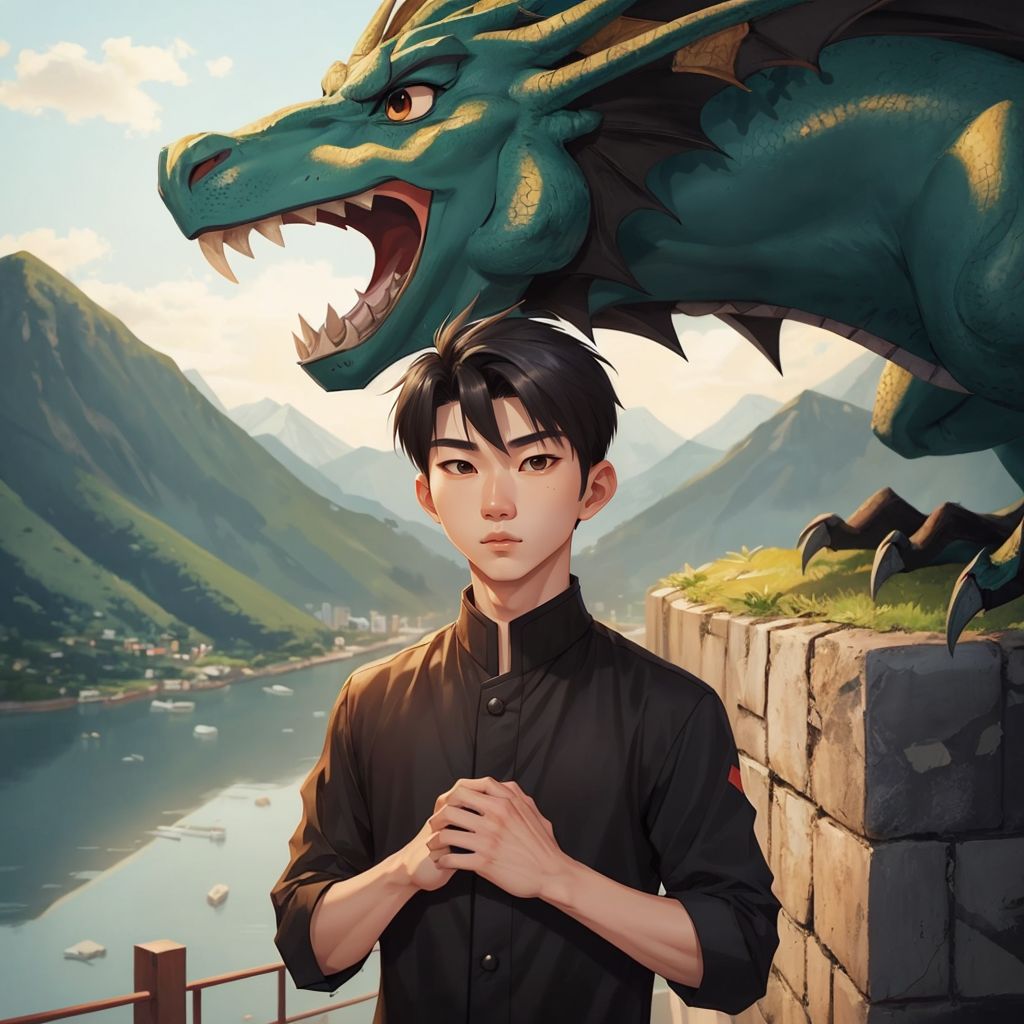
我叫陳,出生在新界龍躍頭的一個古老鄧族村落。從小聽長輩講起這個地方的悠久歷史和濃厚的文化底蘊,內心就充滿了對家鄉的自豪和向往。 龍躍頭有著迷人的地形特色,據說這裡有一座山,形狀宛如一條正躍入空中的龍,因此得名「龍躍頭」。我們家族祖祖輩輩都集居在這片富有傳奇色彩的村莊,數百年來子孫繁衍,建立起了五圍六村的規模。每逢農曆新年,家族成員都要齊聚一堂,感恩先祖留下的這片福地。 童年時,我最喜歡在村中漫步,欣賞那些保存完好的傳統建築。老圍的青磚圍牆和狹窄的入口,曾經守護著我們的祖先免受海盜的騷擾;松嶺鄧公祠莊嚴肅穆,祠堂內精緻的木刻和壁畫令我讚嘆不已。而天后宮更是村民心中的信仰中心,每逢天后誕都會熱鬧非凡,祈求風調雨順。 我最喜歡逛的地方,要算是善述書室了。這裡曾經是鄧族子弟讀書考取功名的場所,儘管如今已改為祭祖的地方,但仍保留著濃郁的文化氣息。光是看著牆上的木雕和壁畫,我都能想像出當年讀書人的高尚情操。 每當我踏進龍躍頭,周遭古老而富有個性的建築就會活靈活現地呈現在眼前,彷彿在訴說著這片土地的悠久歷史。我自豪地說,這就是我成長的家鄉,是一個充滿文化魅力的地方。

In the heartwarming first installment of "Asante's Adventures," young Asante and her spirited older sister Phoenix discover the bustling city of New York. As they explore its iconic landmarks, they embark on a mission filled with love, learning, and acts of kindness, inspired by the biblical verse from John 13:34 — "Love one another. As I have loved you, so you must love one another."
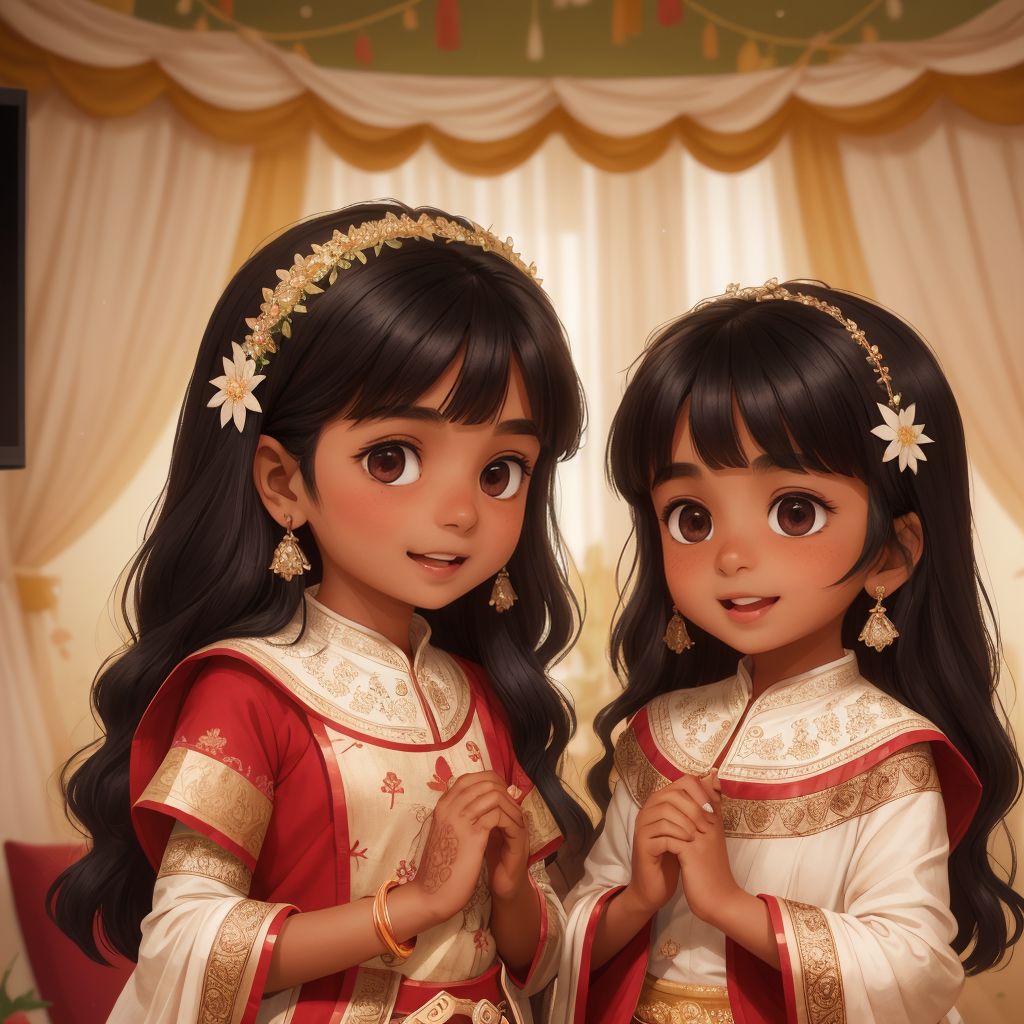
1. Tugce and Alara in Istanbul get ready for brother's wedding 2. Brother surprises them by telling them they are on a TV show wedding contest 3. A producer with clown makeup keeps having people start over what they're doing and bossing people around 4. Producer pushes child out of the way, and makes the child feel like the day is completely ruined 5. Father finds the two girls and sees they are upset, and asks what is wrong 6. Father explains that the producer is doing work for the TV show, not to make them sad. He reminds them that they are there for their brother's wedding and to enjoy the time with their family 7. Music begins to play and everyone gets up to dance and have fun
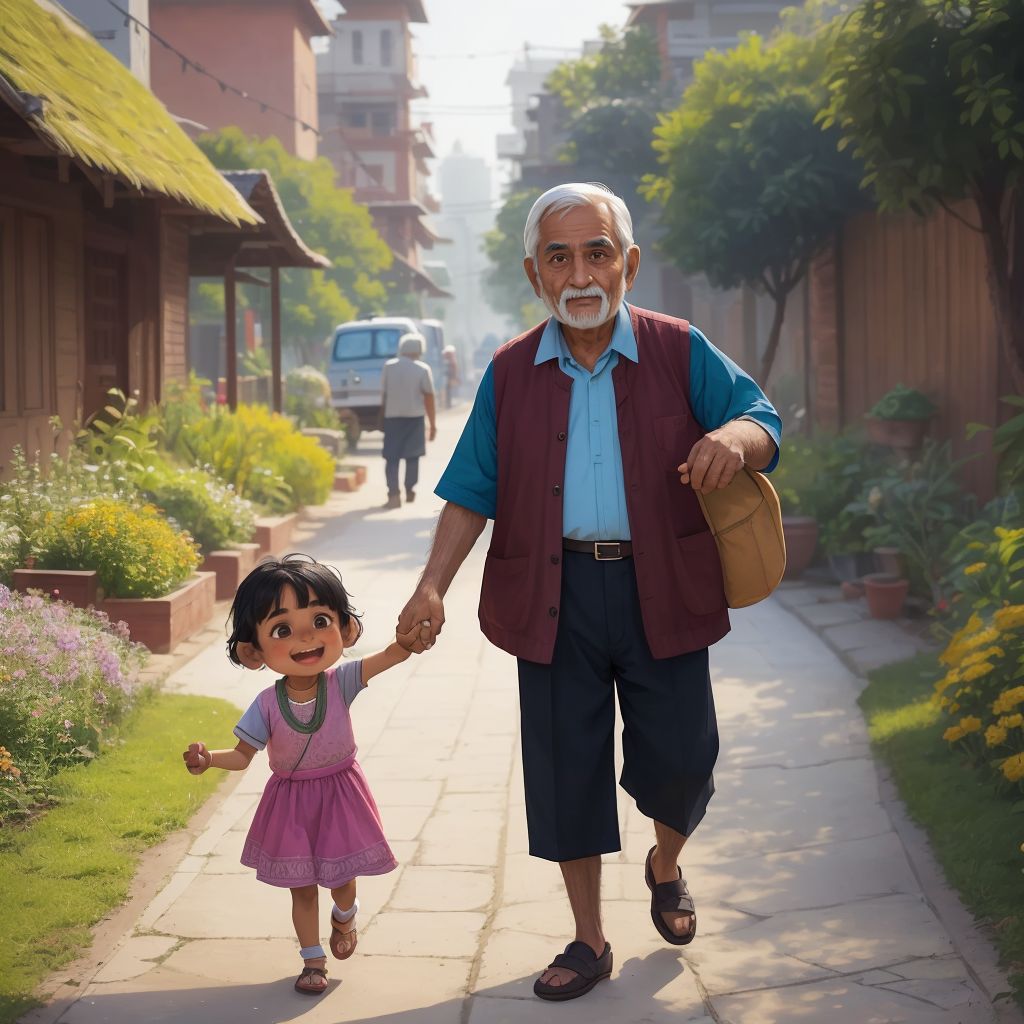
Once upon a time in the bustling city of Moneyville, there lived a curious young girl named Penny. Penny loved learning new things, but she was especially fascinated by the mysterious world of the stock market. One sunny day, Penny's grandfather, a wise old investor, decided it was time to teach her about the stock market. He took her to the heart of Moneyville, where tall buildings reached for the sky and busy traders hurried along the streets. As they walked, Penny's grandfather explained, "The stock market is like a big marketplace where people buy and sell pieces of companies called stocks. When you buy a stock, you're actually buying a tiny piece of that company." Penny's eyes widened with wonder. "So, does that mean I could own a piece of my favorite toy store?" she asked. "Exactly!" her grandfather replied with a smile. "And when the toy store does well, the value of your stock goes up. But if it doesn't do so well, the value might go down."
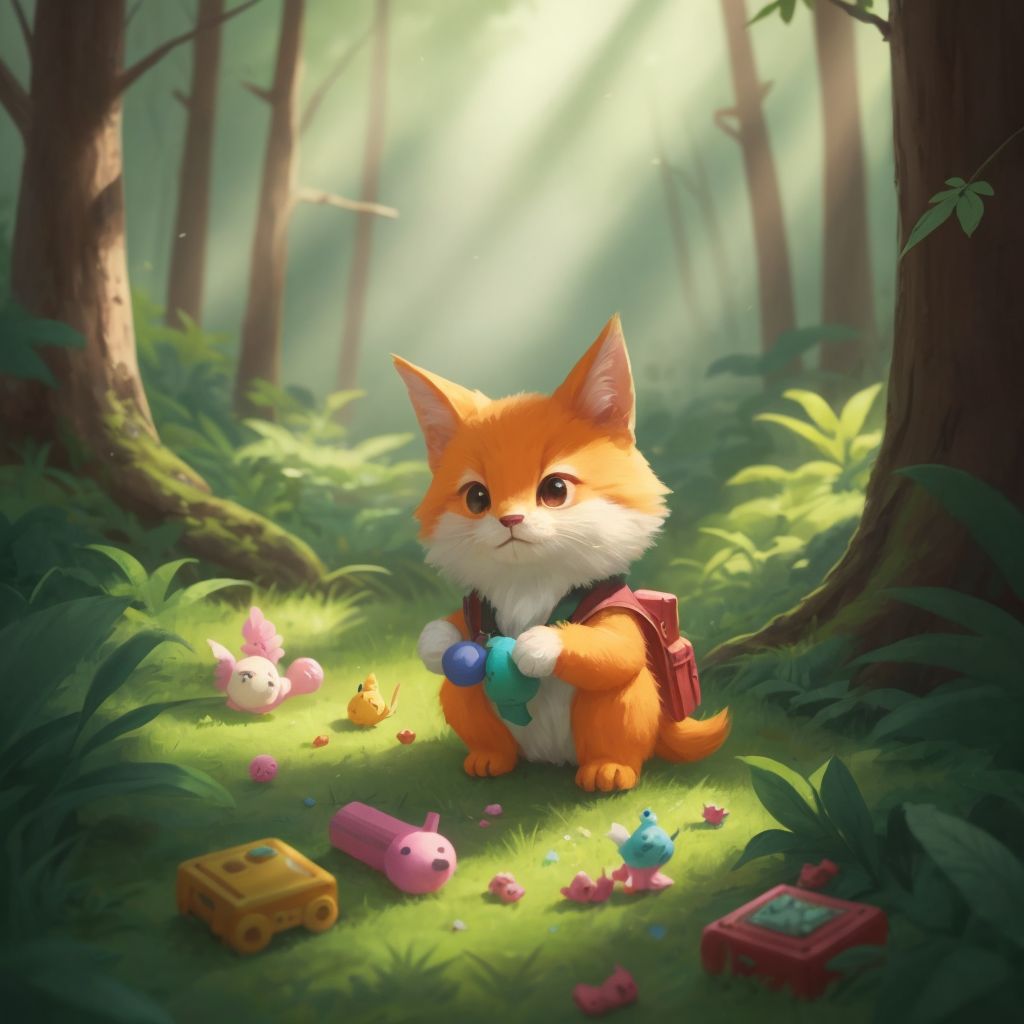
қоян орманда адасып кетіп оны кішкентай орман тұрғындары тауып алды және олар ажырамас досқа айналды
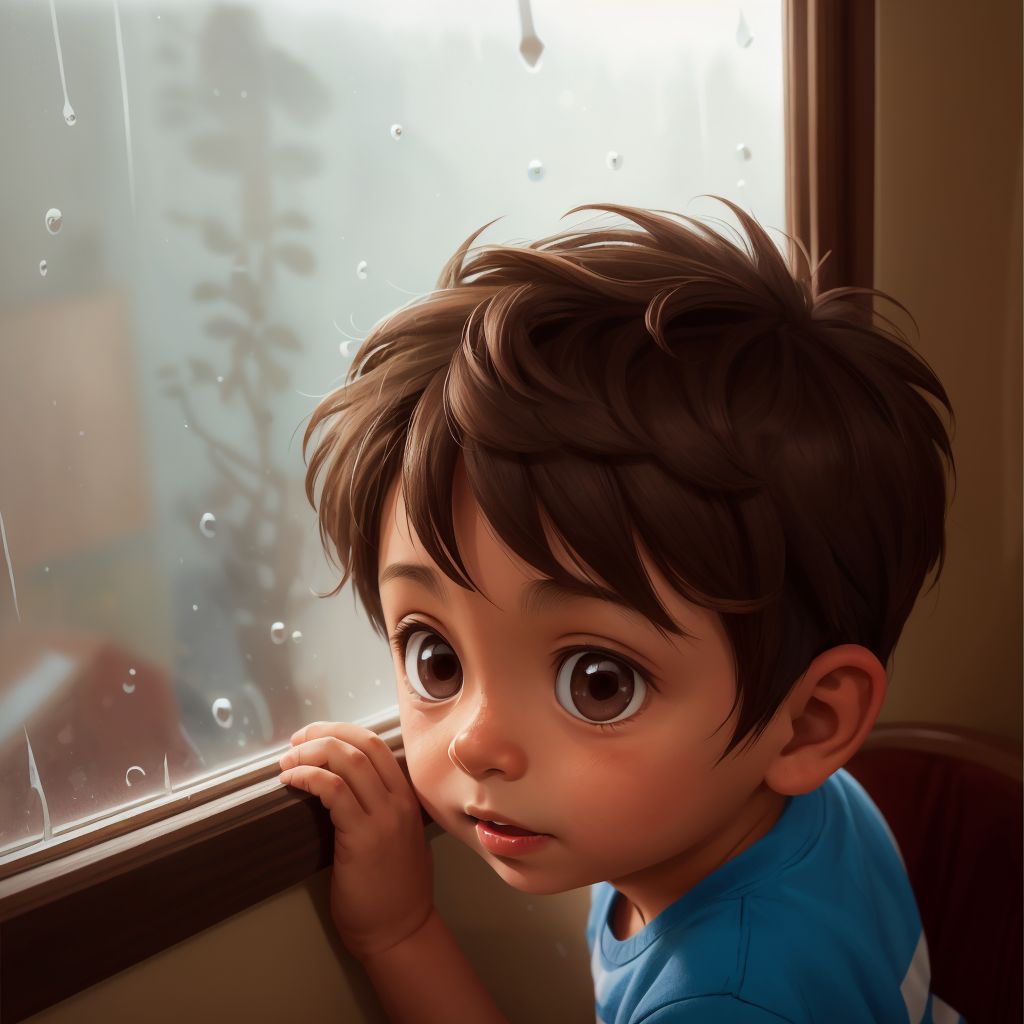
Um dia de chuva pode ser muito divertido no jardim
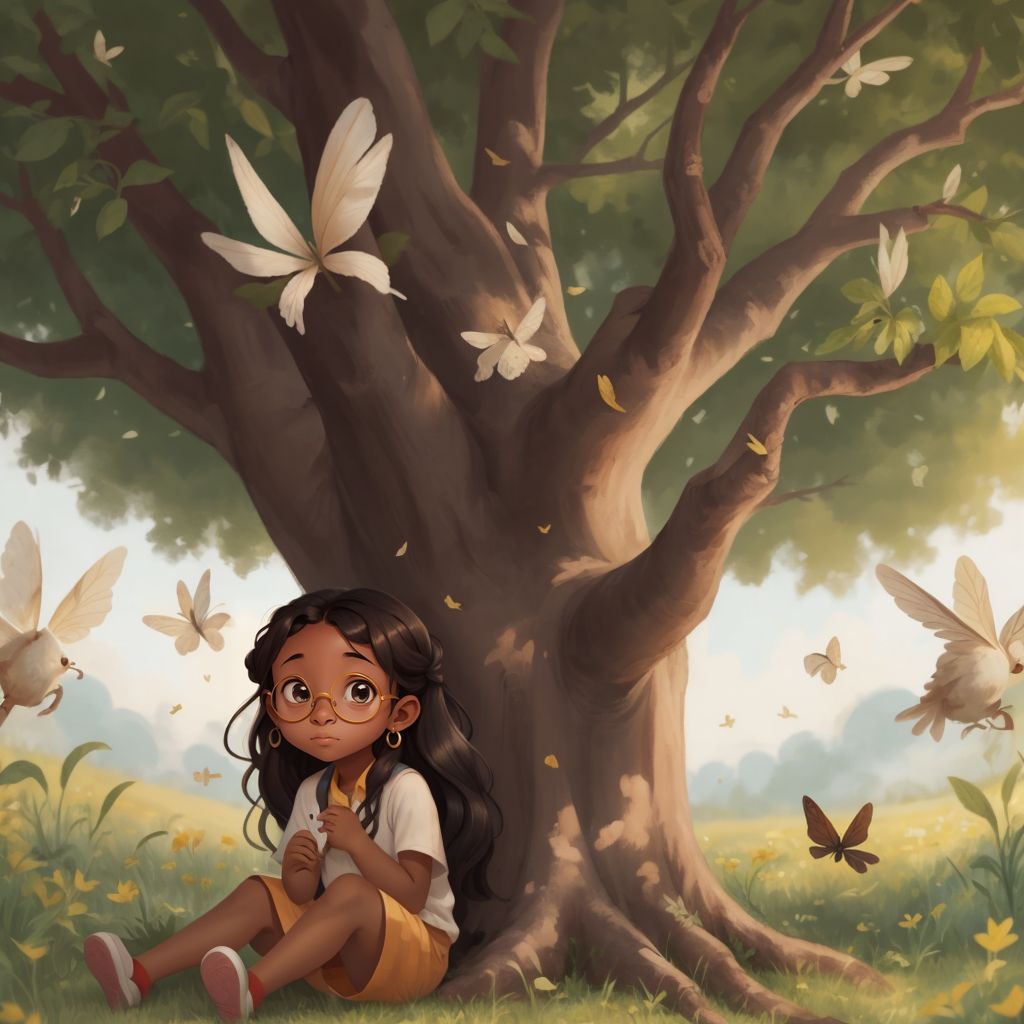
1. Suelo Brown is in a nature space 2. she is peaceful and content outside 3. there are birds, bees, and butterflies 4. there is a patch of flowers with many tree 5. you can see the sun 6. suelo brown is smelling a flower while sitting in the grass
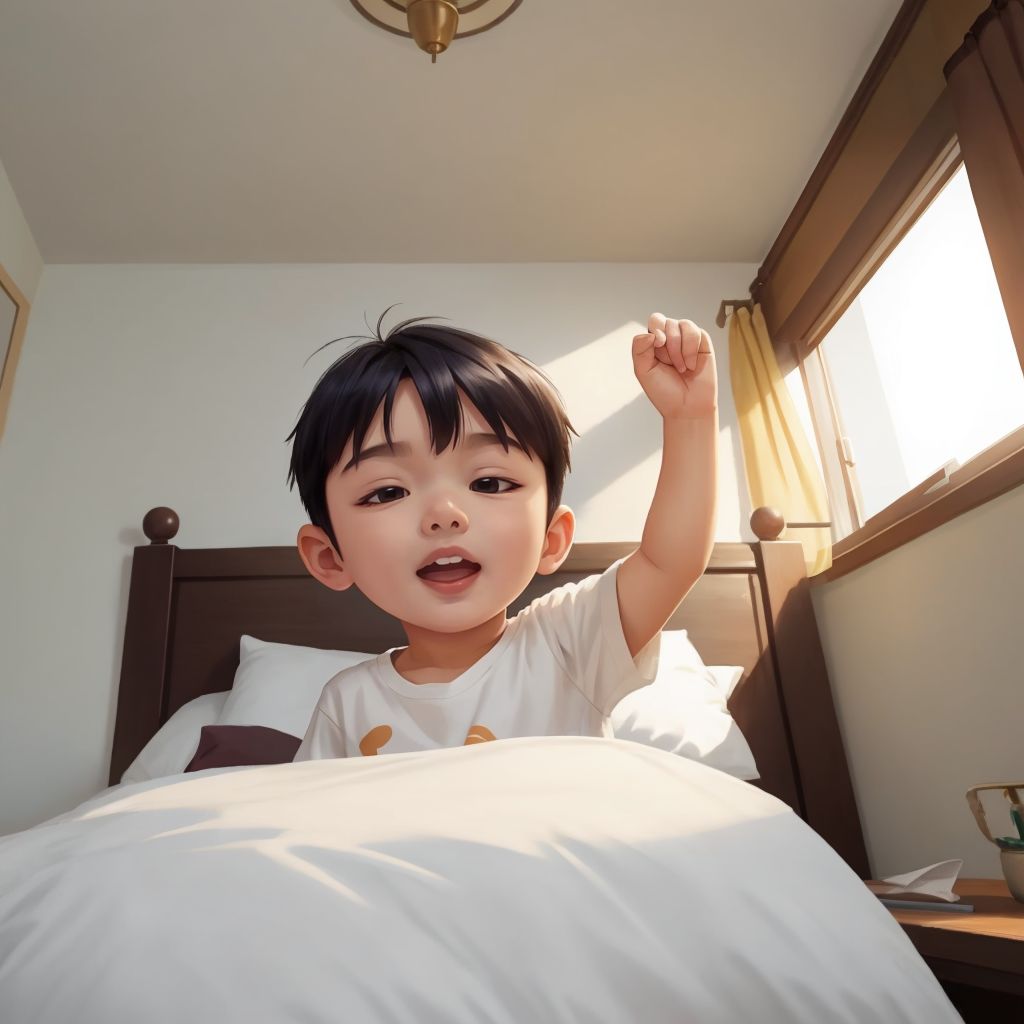
Keith is off to Italy from Hong Kong

Lio loves winter and winter fun. He is accompanied on his adventure by Götti. 1. Lio standing in a winterwonderland 2. Lio and Götti building a snowman 3. Lio and Götti making a snow angel 4. Lio and Götti make an igloo 5. Lio and Götti skiing 6. Lio and Götti throws snowball at Götti 7. Lio sliding down a ice slide 8. Lio starring at a christmas tree in the snow 9. Lio and Götti fool around in the snow 10. Lio and Götti sledding 11. Winterwonderland 12. Lio skiing
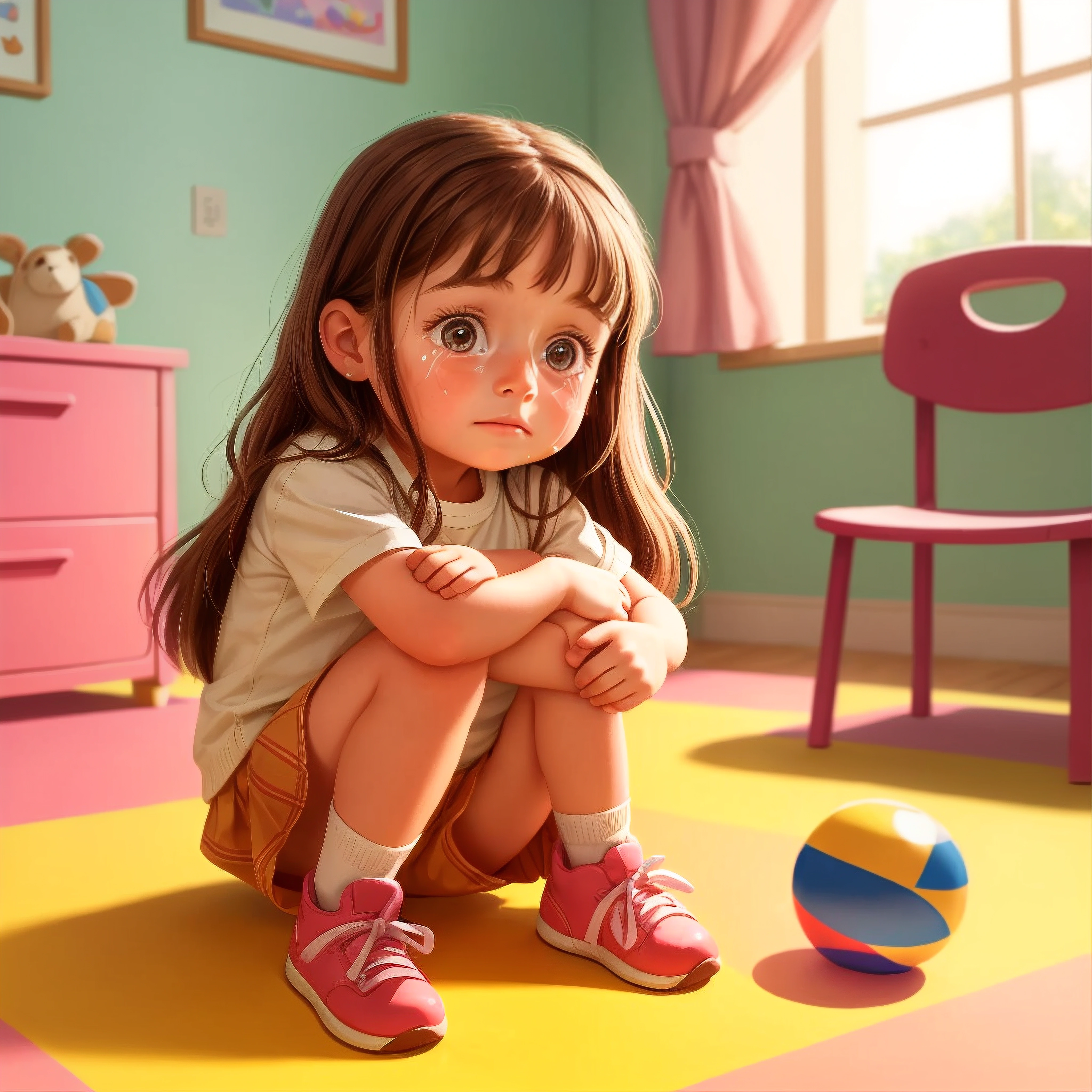
Thea keeps crying all the time. At first, her parents come to her all the time. Then they start ignoring her because she cries for nothing. Then, one day, Thea actually hurts herself. Her parents don’t come running. She is left alone for a bit before they check on her. Now Thea understands why she should not cry without a reason.
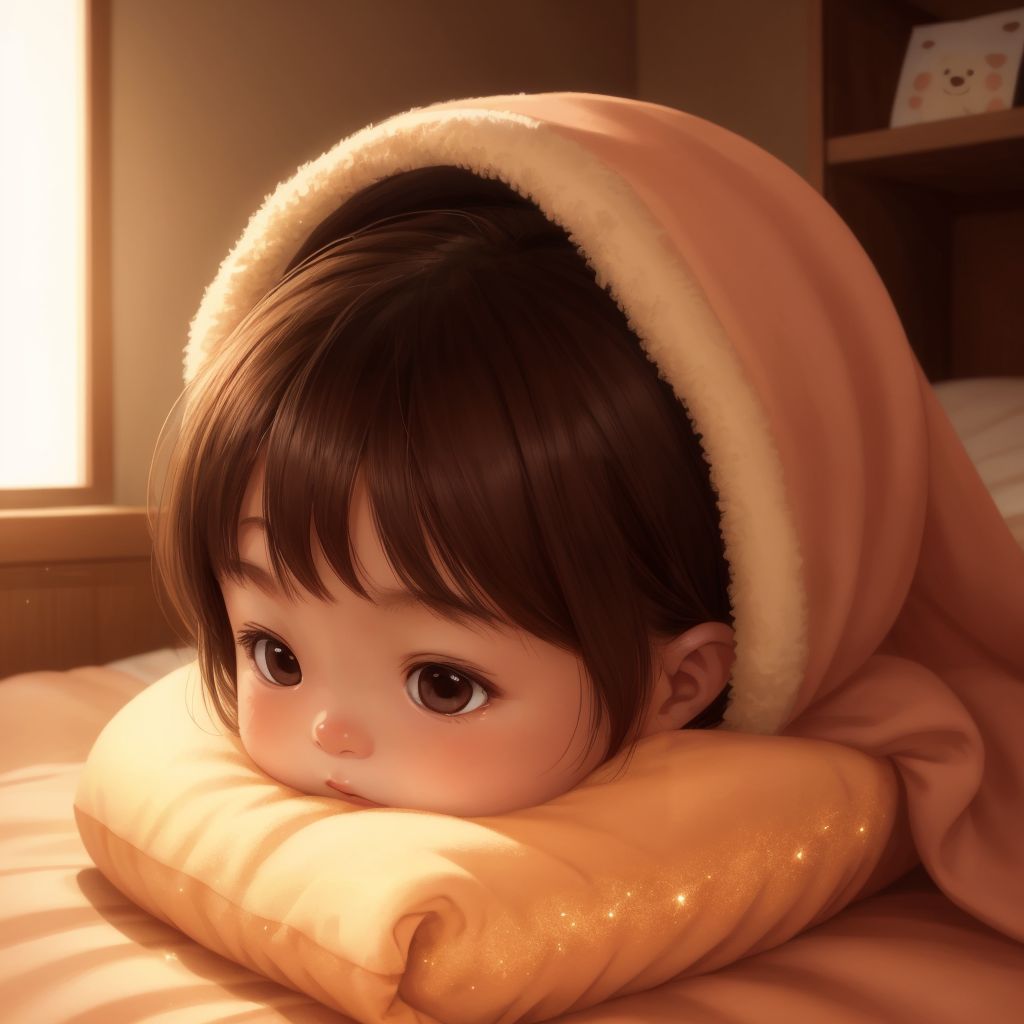
Mahra is a one-year-old beautiful girl who is incredibly happy and cheering girl. She plays and enjoy dreamland adventures.
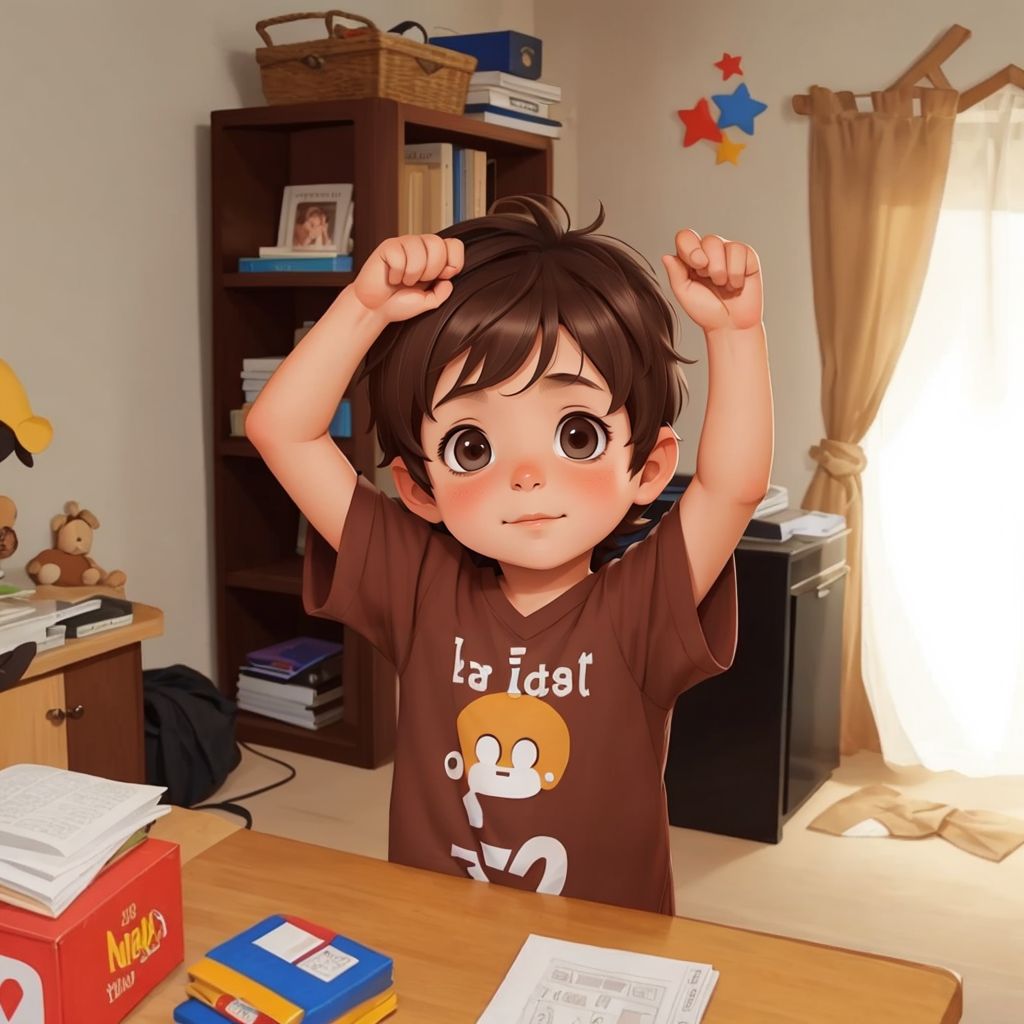
1. The boy is standing 2. The boy is pointing to his head. 3. The boy is pointing to his big, bright eyes. 4. The boy is pointing to his big hearing ears. 5. The boy is pointing to his nose. 6. The boy is pointing to his smiling mouth. 7. The boy is is having his arms in the air. 8. The boy is clapping. 9. The boy is jumping. 10. The boy is dancing. 11. The boy is happy and dancing. 12. The end
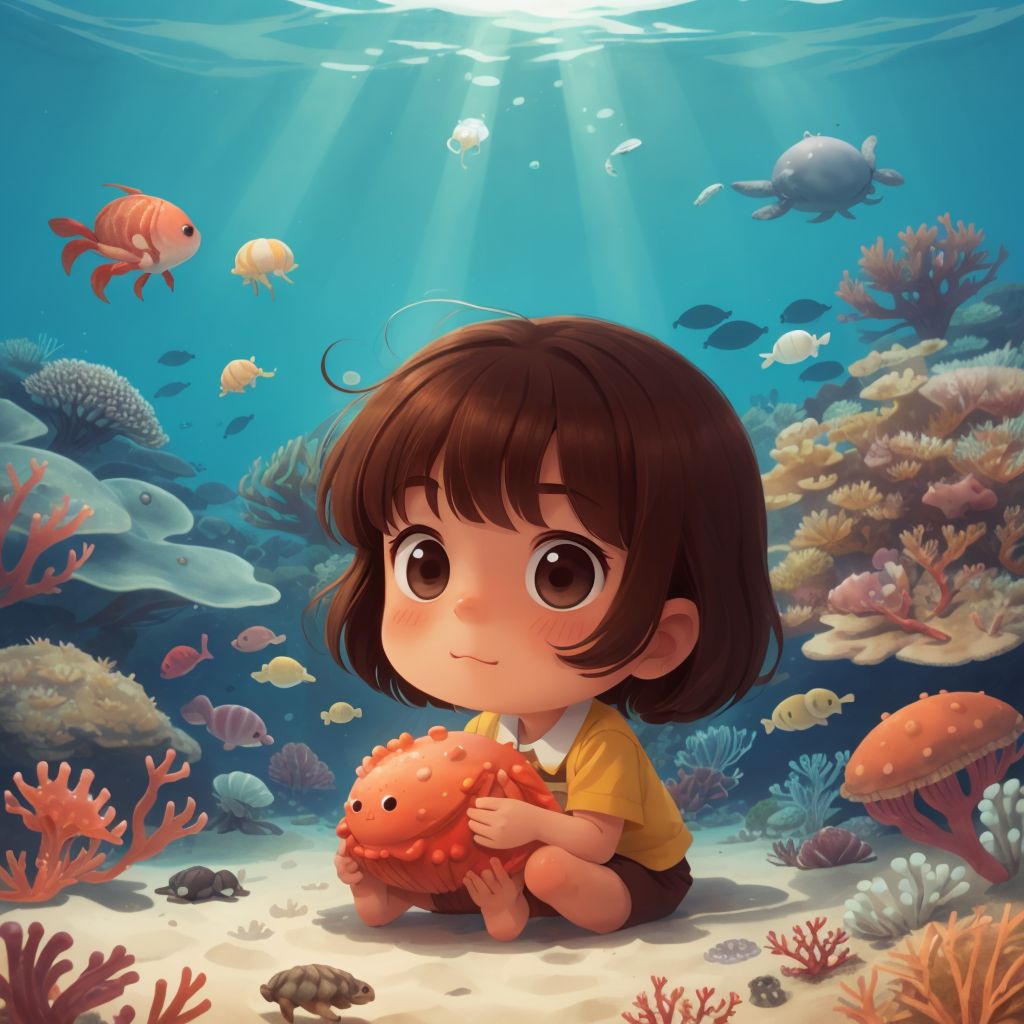
Jasper the adventurous crab loves exploring the coral reef. But today, he meets a new friend who's a little shy. Can Jasper help the jittery jellyfish overcome its fear and join the ocean fun? (Age range: 4-7 years)
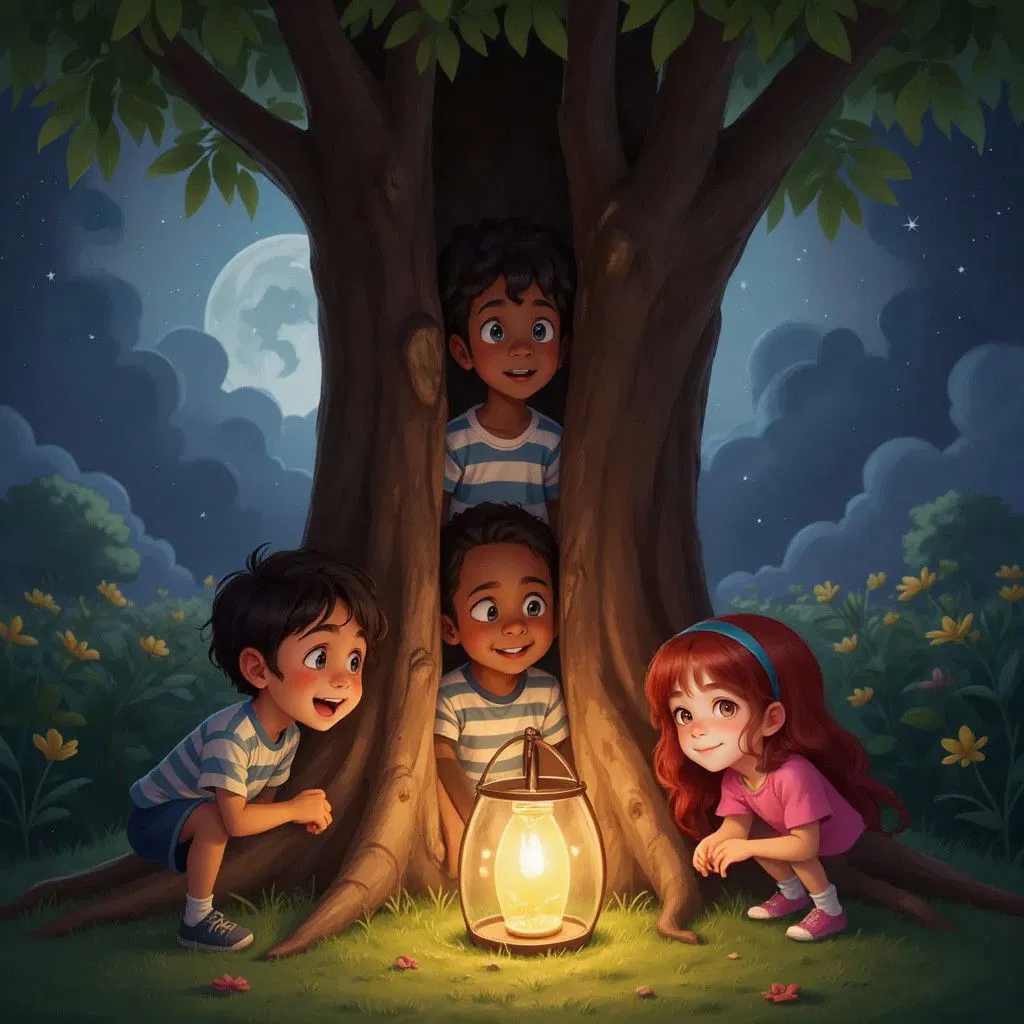
Page 1 : Une clairière sous un ciel étoilé, illuminée par une pleine lune. Les lutins, petits avec des oreilles pointues, dansent en rond autour d'une lanterne qui brille d'une lumière douce et magique. Page 2 : Gwenn, un lutin espiègle, court en portant une petite lanterne lumineuse, ses cheveux flottant au vent. La clairière se dessine en arrière-plan, baignée dans la lumière argentée de la lune. Page 3 : La forêt s’assombrit, des ombres inquiétantes se dessinent entre les arbres, et les lutins se rassemblent, inquiets, leurs yeux brillants de peur. Page 4 : le lutin, accroupi près d'une rivière scintillante, regarde désespéré la lanterne qui ne brille plus. La scène est plongée dans une douce pénombre. Page 5 : Un majestueux chêne avec un visage sculpté dans l’écorce. Gwenn regarde vers le haut, écoutant Branoc, tandis que des chouettes volent doucement au loin. Page 6 : Une chouette perchée sur une branche tend une plume brillante au lutin, qui sourit de gratitude. Les étoiles scintillent faiblement dans le ciel. Page 7 : Un gros plan sur le lutin tendant une coquille de noix pour attraper une goutte de rosée brillante. Les rayons du soleil commencent à poindre à l'horizon. Page 8 : Gwenn, sur une colline, tend sa main vers le ciel. Une étoile filante laisse derrière elle une traînée lumineuse, et une petite étincelle descend vers lui. Page 9 : Les lutins entourent Gwenn, joyeux, tandis que la lanterne brille de mille feux. La clairière s'illumine de magie et de couleurs. Page 10 : Un panorama de la clairière enchantée, avec des korrigans dansant autour de la lanterne magique. La lumière de la lanterne s’élève jusqu’au ciel, formant une traînée lumineuse.
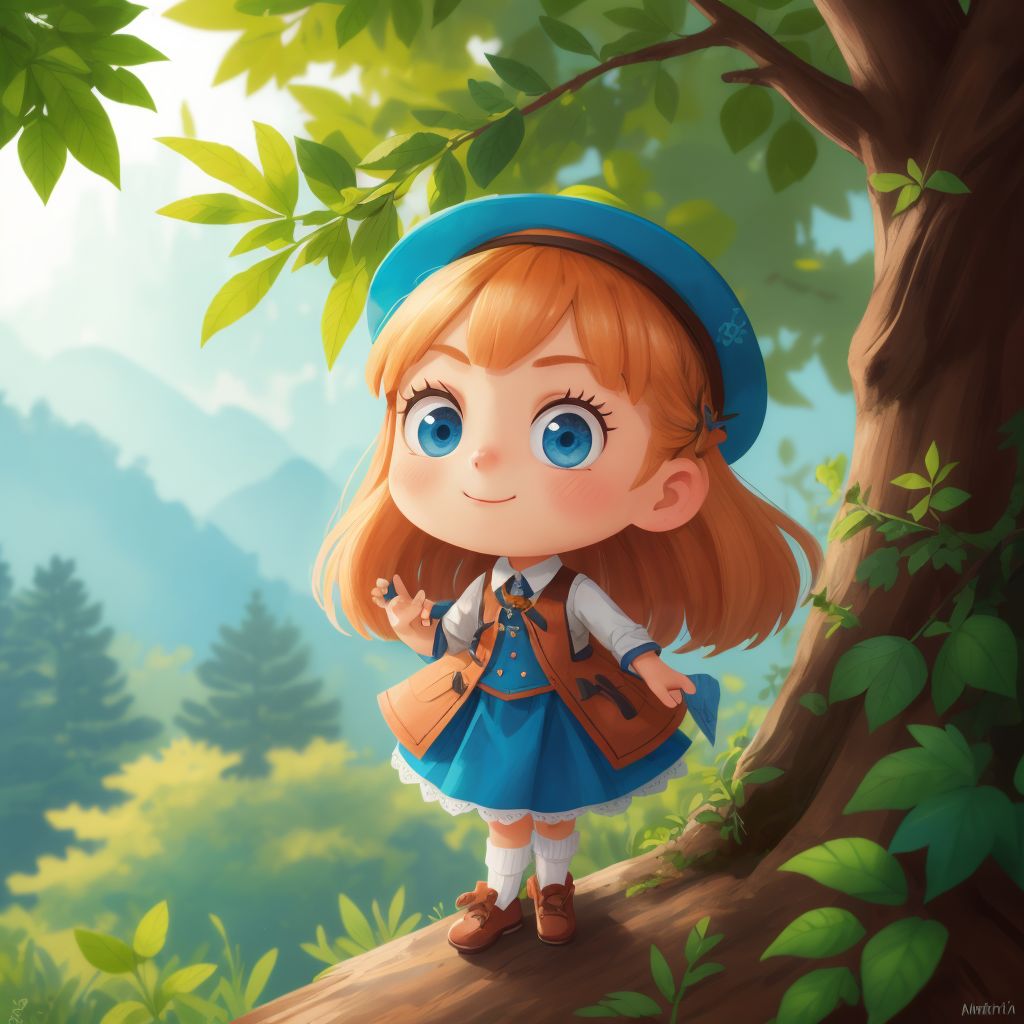
История про звук Р в стране чудес: красткое путешествие

Jenny's favorite gym with snap fitness She had a favorite piece of equipment that she loved to use for her abdomen She would dance on the equipment, but then got bands because of insurance risk She started going to the YMCA The YMCA did not mind her dancing and doesn't discriminate people base on their disability Her dancing made people smile She had a treadmill shuffle, moonwalk around the track. And started a dancing on the rings Jenny got stronger on the rings She made progress videos on the rings. And posted them so that others could do same type of ring dance Her ring dance got popular at the YMCA

A the bush of watermelon
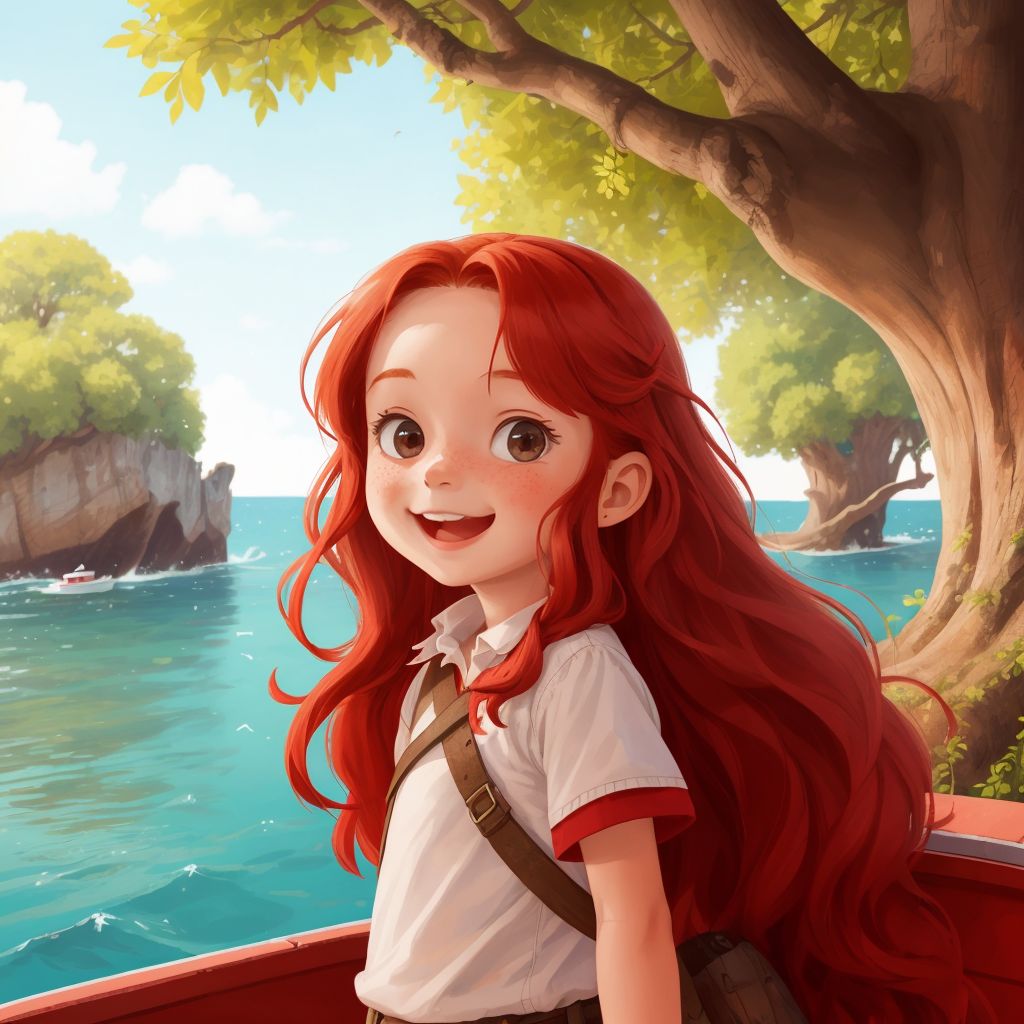
Tilly has long red hair and is 8 years old. She loves visiting her grandmother on the island. One of her favorite things to do is visiting the wood sprites. The wood sprites are faces carved on oak trees. There is even a mermaid carved on a tree. There is even a legend behind it.
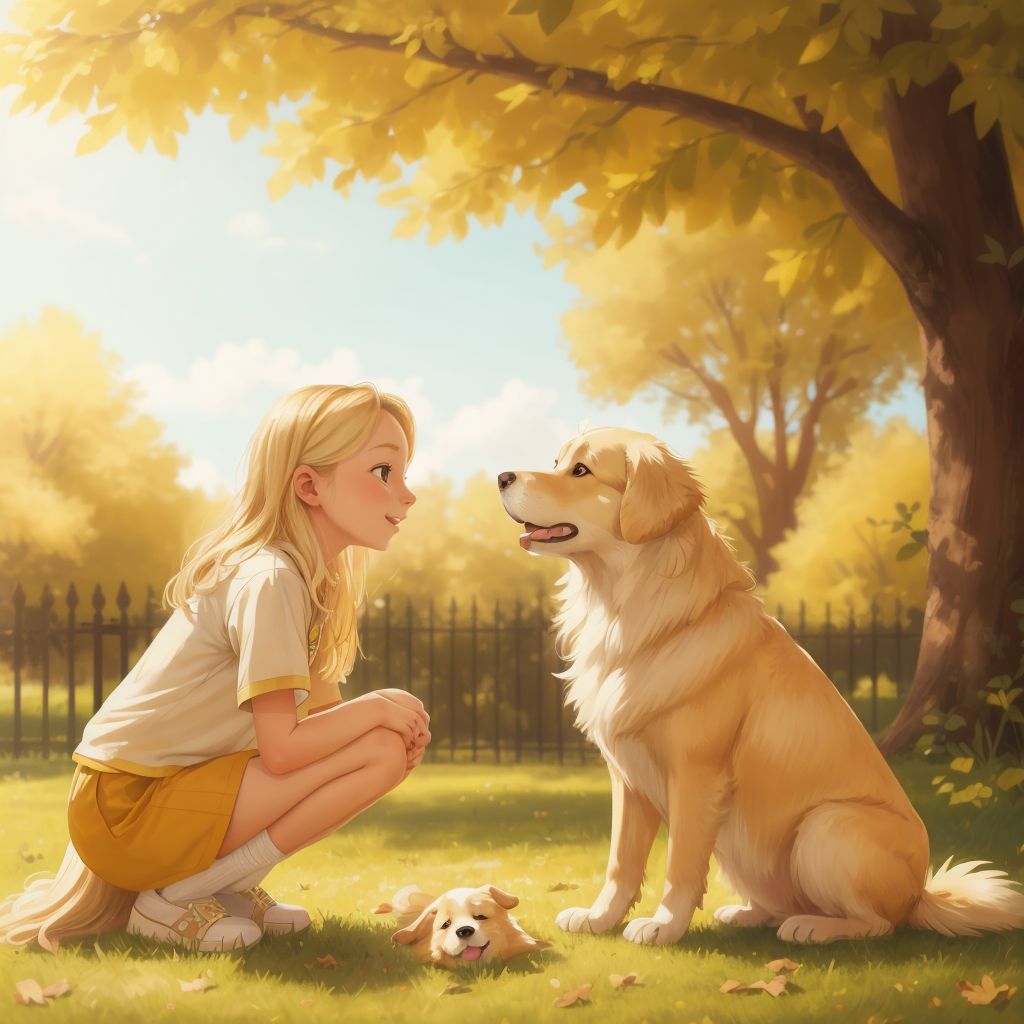
little girl Anna made everyone happy and after that people named her happy. The whole town became bright and openhearted and the rainbow appeared. She had a companion - dog Persey

Vic has a van. Vic wears a vest. One day, Vic drives the van.Vic goes to the vet. The vet has a vase.The vase is on a table. Vic sees a video camera.The vet wears a visor. Vic and the vet go to the volcano.The volcano is big and hot! Vic and the vet go back to the van.They drive home and stop by the vat.